
Heating & Cooling
Showing 49–60 of 272 resultsSorted by popularity
-
-
Heater Core
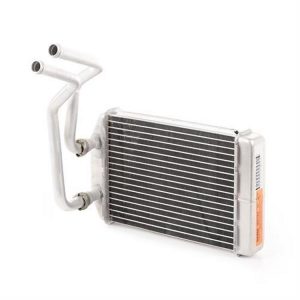
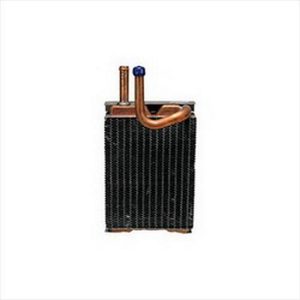
Omix-ADA Heater Core – 17901.05
- Omix-ADA heater core, part number 17901.05
- Direct-fit replacement for the 2004-2006 Jeep Wrangler Unlimited (LJ) and 2002-2006 Wrangler (TJ)
- LJ trims: Unlimited and Unlimited Rubicon
- TJ trims include Rubicon, SE, Sahara and Sport
- UPC 804314134518
SKU: OAI17901.05 -
-
-
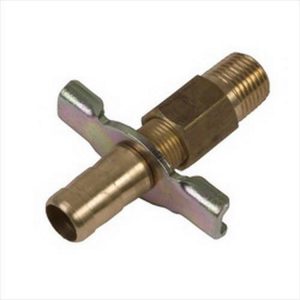
Radiator Drain Petcock
Omix-ADA Radiator Drain Cock – 17470.13
- Fits 1941–1943 Willys MB (Base) and 1946–1949 Jeep Willys CJ-2
- Radiator drain cock for 134 L-head engines, 1/8 inch size
- Omix-ADA part number 17470.13, UPC 804314173081
- Direct fit replacement with a limited five-year warranty
SKU: OAI17470.13 -
Radiator Hose
Cooling System Kit
- Cooling system kit for 1991–1995 Jeep Wrangler (YJ) with 4.0L six-cylinder engine
- Includes upper and lower radiator hoses, thermostat housing and 195 degree thermostat
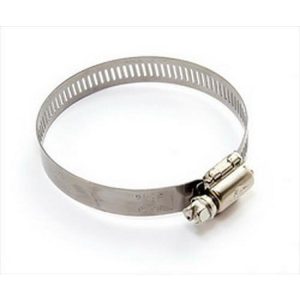
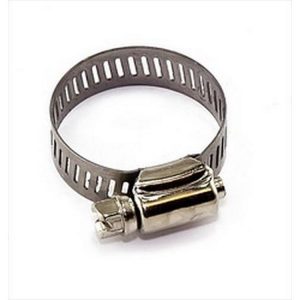
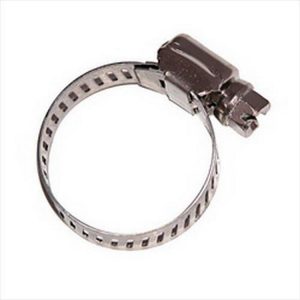
- Also includes gasket and four radiator hose clamps
- Part number 17118.26, direct fit
SKU: OAI17118.26 -
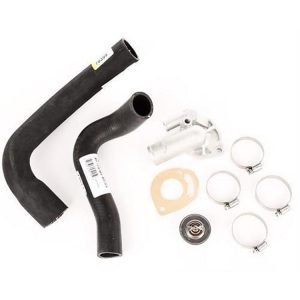
Coolant Hose Kit
Cooling System Kit
- Omix-Ada cooling system kit, part number 17118.21, for 4.2L six-cylinder CJ Jeeps
- Includes upper and lower radiator hoses, thermostat housing and 195 degree thermostat
- Also includes gasket and four radiator hose clamps
- Fits 1972–1983 CJ5, 1972–1975 CJ6, 1976–1986 CJ7 and 1981–1985 Scrambler
SKU: OAI17118.21



Engine cooling versus cabin heating
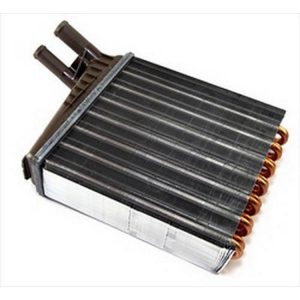
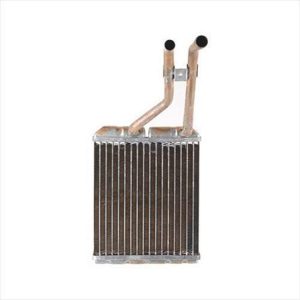
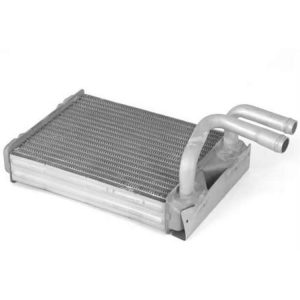
This branch includes two related systems. The engine cooling side circulates coolant through the engine and radiator to remove heat. The heating and air side uses the same coolant through a heater core, with blower motors, resistors, ducts and controls to move air into the cabin.
Subcategories reflect this split, from radiators, water pumps and thermostats to heater hoses, blower motor resistors and HVAC door levers.
Common parts and what they do
Parts you will see:
- Radiators and caps: the cap holds system pressure, and its rating, such as 16 psi in one sample listing, must suit the system.
- Hoses and clamps: upper and lower radiator hoses and heater hoses are shaped for specific engines.
- Water pumps and gaskets: high-flow pumps are available for some engines, such as 4.0L inline sixes.
- Thermostats and housings: control operating temperature.
- Electric fans, fan clutches, shrouds and blades: pull air through the radiator.
- Transmission coolers: protect the transmission when towing or crawling.
Towing, crawling and heat
Off-road driving puts a cooling system under stress, with low airflow at slow speed, long climbs and heavy loads. An electric puller fan adds airflow at low speed, a transmission cooler lowers fluid temperatures, and a high-flow water pump can improve coolant circulation. Cooling upgrades work best as a system, because a bigger fan will not help a clogged radiator or old hoses.
When replacing cooling parts, flush the system, use the coolant type your manufacturer specifies, and bleed air from the system.
Fitment and installation
Cooling parts are very engine-specific. Confirm fitment for your exact year, make, model, engine size and any air conditioning or automatic transmission options, and check the manufacturer's specifications. Universal parts such as electric fans need correct mounting, wiring, a relay and a fuse.
Never open a hot cooling system, since pressurized coolant can cause burns. Let it cool fully first. Use a torque wrench on water pump and thermostat housing bolts and replace gaskets rather than reusing them. If you are unsure, have a qualified mechanic handle the work.
A simple maintenance habit goes a long way: inspect hoses for swelling or cracks, check the coolant level when cold, and replace the thermostat and radiator cap when you do other cooling work. Small parts like these often cause overheating before the radiator does.
Choosing parts and mistakes to avoid
A few habits prevent most cooling problems. Always replace the thermostat, gasket and radiator cap with a new water pump, because they are cheap and share the same system. Use hose clamps suited to the hose size, and check that new hoses do not rub on belts or the frame.
- Match the radiator core size and inlet and outlet positions to your engine, and check for transmission cooler connections if the vehicle has an automatic.
- When adding an electric fan, wire it with a relay and fuse and set the temperature switch as the manufacturer recommends.
- Do not mix coolant types or use plain water for long periods, because corrosion inhibitors matter.
- Bleed the system fully after any repair, as trapped air causes false overheating.
Popular Heating & Cooling brands
- Omix-Ada (88)
- Crown Automotive (80)
- Flex-A-Lite (44)
- Mishimoto (35)
- Jeep (9)
- FlowKooler (7)
- Dorman (5)
- Mr. Gasket Company (4)
- Painless Wiring (4)
- Bd Diesel (4)
- Be Cool (3)
- B&M (3)
Shop Heating & Cooling by type
- Radiator Hose (34)
- Engine & Transmission Cooling (40)
- Electric Cooling Fan (22)
- Radiator (20)
- Transmission Cooler (9)
- Water Pump (12)
- Thermostats (14)
- Heater Control Cable (11)
- Heater Core (9)
- Fan Shroud (9)
- Thermostat Gasket (8)
- Hose Clamp (7)
- Heater Hose (7)
- Thermostat Housing (7)
- HVAC Air Duct (7)
- Radiator & Reservoir Caps (5)
- HVAC Blower Motor Resistor (6)
- Engine Oil Cooler (6)
- HVAC Blower Motor (5)
- Radiator Accessories (4)
- Water Pump Accessories (4)
- Heater/Wiper Switch Knob (4)
- HVAC Heater Control Switch (4)
- Electric Cooling Fan Motor (3)
- Water Pump Gasket (2)
- Fan Spacer Kit (3)
- Heating & Air Conditioning (3)
- Fan Switch (1)
- Fan Clutch (3)
- Radiator Isolator (2)
Heating & Cooling FAQ
How do I know if my thermostat is bad?
Common signs are overheating, an engine that never reaches normal temperature, a heater that blows cool air, or temperature that swings. A mechanic can test the opening temperature.
Is an electric fan better than a clutch fan?
An electric fan can add airflow at low speed and free up some engine power, but it needs proper wiring and control. A working clutch fan is adequate for many stock setups.
Do I need a transmission cooler?
It is useful for towing, heavy loads and slow, hot trail driving, since heat is the main enemy of automatic transmission fluid. Check capacity and mounting for your vehicle.
What coolant should I use?
Use the type and mix your manufacturer specifies. Mixing different coolant chemistries can cause problems, so check the owner's manual before topping off or refilling.