
Radiator hoses carry coolant between the engine and radiator, and this category lists upper and lower hoses plus hose kits for Jeep CJ, Wrangler, Cherokee, and other classic applications. Brands include Crown Automotive, Omix-Ada, Mishimoto, Jeep, and MTS Company. Engine details such as 4.0L, 258, and 304-401 AMC V8 appear in the product notes, so check fitment and then compare the products below.
Radiator Hose
Showing 1–12 of 34 resultsSorted by popularity
-
Radiator Hose
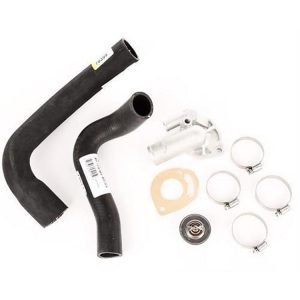
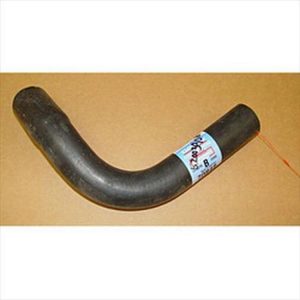
Cooling System Kit
- Cooling system kit for 1991–1995 Jeep Wrangler (YJ) with 4.0L six-cylinder engine
- Includes upper and lower radiator hoses, thermostat housing and 195 degree thermostat
- Also includes gasket and four radiator hose clamps
- Part number 17118.26, direct fit
SKU: OAI17118.26 -
-
-
Radiator Hose
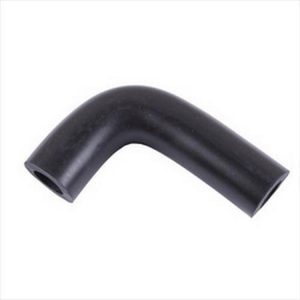
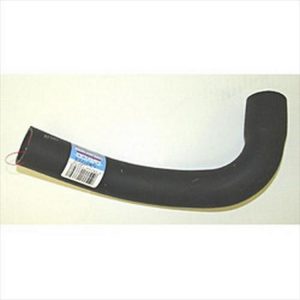
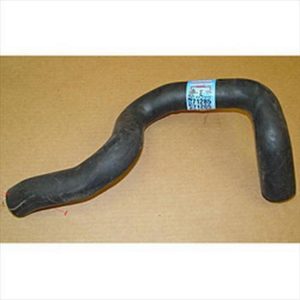
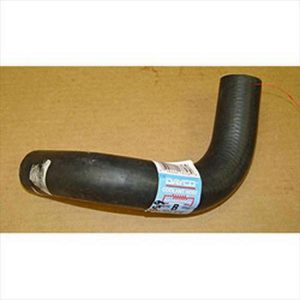
Omix-ADA Lower Radiator Hose – 17114.07
- Lower radiator hose for 4.0L six-cylinder engines, with or without A/C
- Fits 1987–1996 Cherokee (XJ), 1991–1995 Wrangler (YJ) and 1997–2000 Wrangler (TJ).
- Direct fit replacement, part number 17114.07
- Limited five year manufacturer warranty
SKU: OAI17114.07 -
-
-
Radiator Hose
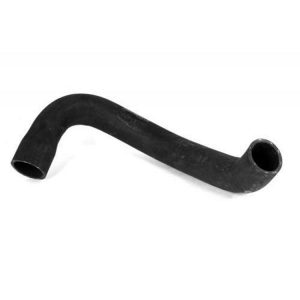
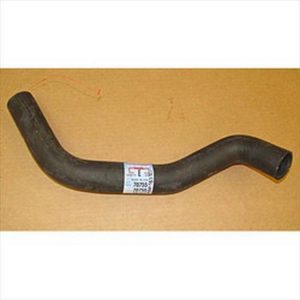
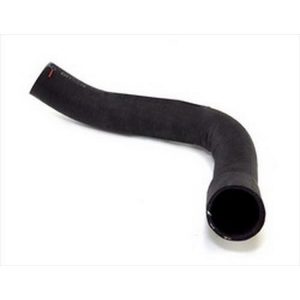
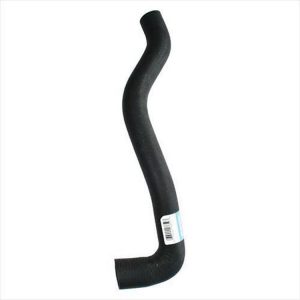
Omix-ADA Upper Radiator Hose – 17113.14
- Upper radiator hose for the 4.0L 6-cylinder Jeep Wrangler TJ and LJ, Omix-ADA part number 17113.14
- Fits 1997–2006 Jeep Wrangler (TJ) and 2004–2006 Jeep Wrangler (LJ) per the manufacturer fitment list
- Direct fit, position: upper
- Built to original specifications with a limited five year warranty.
SKU: OAI17113.14 -
-
-


What radiator hoses do
The upper hose carries hot coolant from the thermostat housing to the top of the radiator, and the lower hose returns cooled coolant from the radiator to the water pump. Rubber hoses soften, swell, and crack with age, heat cycles, and coolant contamination, and a failed hose can drain the coolant in minutes and overheat the engine.
Signs a hose needs replacing
- Visible cracks, bulges, or soft spots when you squeeze the hose with the engine cool.
- Coolant weeping near the clamps or a crusty residue at the connections.
- Collapsed lower hose on a cooling system with a failing spring or a restriction.
- A hose older than the age recommended in your service schedule.
Matching a hose to your vehicle
Radiator hoses are shaped to fit a specific engine and radiator position. The notes on these listings reference engine families, such as the 2.5L four cylinder, 232 and 258 six cylinders, the 4.0L six cylinder, and 304 to 401 AMC V8s. Some mention whether the engine has A/C or the transmission type, and some are labeled for left hand drive. Check whether you need an upper or lower hose, since they are not interchangeable, and note part numbers from the old hose if possible.
Specs to compare
Look at whether the part is an OE-style molded hose or a silicone kit. Silicone hose kits, like some from Mishimoto, resist heat and ozone and may be sold as sets with clamps. Check inside diameter, shape, and whether a molded hose includes a bend for a specific engine layout. Reusing weak clamps can lead to leaks, so plan to replace them with new, correctly sized clamps.
Installation notes
Work only on a cold engine because the cooling system is pressurized and hot coolant causes burns. Drain the coolant into a pan, remove the old hose, clean the connection surfaces, and install the new hose with the clamps positioned correctly. Refill with the coolant type recommended by the manufacturer, bleed trapped air, and check for leaks after warming the engine. Dispose of used coolant properly, as it is toxic to animals.
Confirm fitment for your exact year, make, model, and engine, and check the manufacturer specifications on each product page.
Related parts and common mistakes
Hoses are rarely the only tired part. When one hose has failed, check the thermostat, radiator cap, water pump, and heater hoses, since they have lived through the same heat cycles. A weak radiator cap can cause boil-over even with new hoses. Another frequent mistake is overtightening clamps, which can cut into the hose, or reusing old spring clamps that no longer grip. Make sure the hose does not rub against belts, the fan, or sharp brackets, and use the correct routing so it does not kink. After the job, retorque clamps once the system has warmed and cooled, and recheck the coolant level the next day as trapped air works its way out. Write the part numbers from the old hoses on a note before ordering, since casting numbers or stamped codes on the hose help confirm the right shape.
Popular Radiator Hose brands
Radiator Hose FAQ
How often should radiator hoses be replaced?
There is no single interval, but many owners replace them every several years or when they show cracks, bulges, or softness. Follow the maintenance schedule for your vehicle and inspect hoses at each coolant service.
What is the difference between upper and lower radiator hoses?
The upper hose runs from the thermostat housing to the radiator top, while the lower hose runs from the radiator to the water pump. They have different shapes and are not interchangeable.
Are silicone radiator hoses better than rubber?
Silicone resists heat and age well and can look appealing, but it is not required for every vehicle. Quality OE-style rubber hoses work well in factory-spec applications. Pick based on how you use the vehicle.
Should I replace hose clamps when I replace a hose?
Yes, in most cases. Old clamps may have lost tension or rusted. New clamps help create a leak-free seal, and are low cost compared with the risk of coolant loss.