
Horns and Train Horns covers compressed-air horn systems for trucks and Jeeps and the parts that make them work. Kleinn Train Horns supplies most of it, from the compact dual trumpet horns and the HK4 quad horn package with its sealed 130 psi compressor to a bolt-on onboard air system for the 2015 to 2021 F-150, while HornBlasters adds high-flow electric air valves and a 5 gallon air system. Subcategories cover compressors, horn kits, solenoid valves and switches. Compare the kits below.
Horns and Train Horns
Showing 1–12 of 23 resultsSorted by popularity
Shop Horns and Train Horns by type


-
Air Horn Kit
Kleinn Train Horns Ultra BlastMaster Upgrade Kit – 6885
- Kleinn Train Horns Ultra BlastMaster Upgrade Kit, part number K/A6885
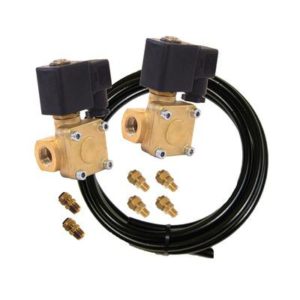
- Adds two VX6003 solenoid valves to a Model 230 Beast train horn
- Built for Model 230 horns with the Vortex 6 brass solenoid valve
- Universal fit, with compatibility depending on horn model and valve type
SKU: K/A6885 -
-
Air Horn Kit
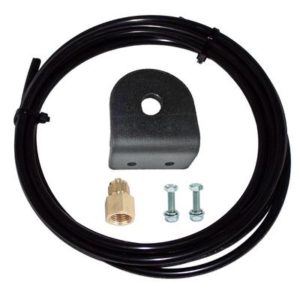
Kleinn Model 1302 Remote Quick Connect Coupler Relocation Kit – 1302
- Kleinn Model 1302 remote quick connect coupler relocation kit, part number K/A1302
- Relocates the quick connect coupler to a location you choose
- Designed for any Kleinn Onboard Air System and adaptable to almost any air system
- Universal fit; the male threaded quick coupler at the bracket is not included
SKU: K/A1302 -
-
Air Horn Compressor
HornBlasters HornAir 544K Nightmare Edition Air System (Black) – HA-544K
- HornBlasters HornAir 544K Nightmare Edition air system, part H/BHA-544K
- 150 PSI kit with a 5 gallon tank
- Includes 10 and 18 gauge wire and a wiring kit with a fuse holder
- Universal fit for train horns, air tools and leveling air springs
SKU: H/BHA-544K







How an air horn system works
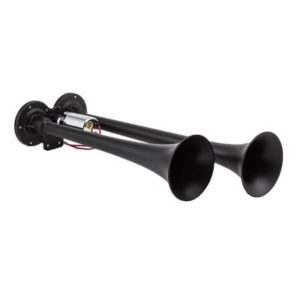
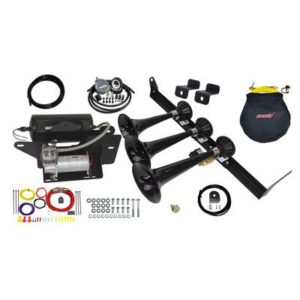
A train horn is a set of metal trumpets fed by compressed air rather than an electric diaphragm. A 12 volt compressor fills a tank to a set pressure, a pressure switch cycles the compressor on and off, and when you press the button an electric solenoid valve dumps tank air through the trumpets. The sound comes from the trumpet length and the air volume behind it. Short dual trumpets like the Kleinn Compact Dual Horn with 7.5 and 10 inch trumpets give a sharp blast from a small tank; the quad horn package with four Model 141 trumpets and a 1 gallon tank produces the deeper, layered sound people associate with a locomotive.
Complete kits versus building a system
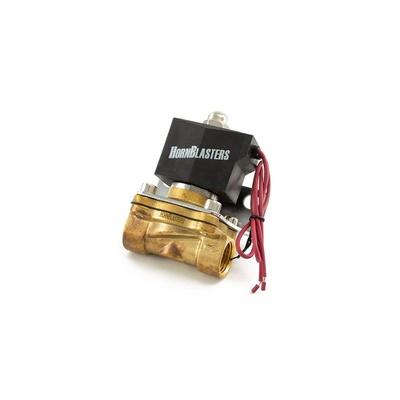
Complete kits, such as the Trail Blaster dual horn kit for the 2007 to 2016 Wrangler JK or the Kleinn HK4 quad package, include trumpets, compressor, tank, solenoid, wiring, tubing, pressure switch and brackets. The JK kit even comes with mounts that bolt to factory bolts and beams, which saves hours of fabrication. If you already have onboard air for tires or lockers, you only need the trumpets, a solenoid valve and a switch. The HornBlasters brass 1/2 inch electric valve with its 16 mm orifice is sized for high flow so the horn comes on hard instead of swelling slowly.
Specs that matter when comparing
- Tank size and pressure: a 0.66 gallon tank at 120 psi gives a few short blasts between refills; a 1 to 5 gallon tank sustains a long blast and can also run tire inflation. Higher pressure means louder output but every component must be rated for it.
- Compressor duty cycle: small sealed compressors are fine for horns alone. Filling 35 inch tires needs a compressor with a higher duty cycle, like the 150 psi HornBlasters 544K system with a 5 gallon tank.
- Valve orifice and voltage: the valve must match your system voltage and be large enough not to choke flow. A 1/2 inch port valve suits large trumpets; 1/4 inch valves suit compact horns.
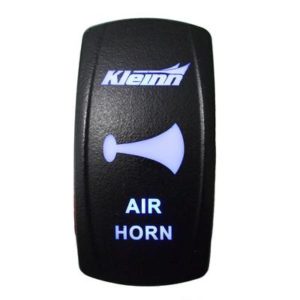
- Switches: the Kleinn Terminator flush-mount push button needs a panel at least 2 mm thick; the illuminated rocker switches come in amber or red to match dash lighting. A momentary switch is normal for horns, a latching rocker for the compressor power.
Mounting and plumbing
Mount trumpets facing forward or down with the bells protected from direct spray, and keep them away from exhaust heat. Tanks should sit on the frame or in a bed corner where road debris cannot hit the fittings, with the drain valve accessible so you can bleed moisture after humid weather. Use DOT-rated air line and push-to-connect fittings, and keep the run from the solenoid to the trumpets as short as possible; long lines soften the attack of the blast. The compressor needs a relay, fused power from the battery and a good ground, and the included wiring kits supply these.
Safety and legal notes
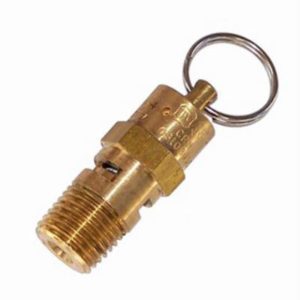
A train horn at full pressure is far louder than a factory horn and can cause hearing damage at close range. Test it outdoors, never in a garage or near people, and fit a safety valve, such as the Kleinn 52250, so the tank cannot be over-pressurized. Rules on horn loudness and the use of air horns on public roads vary by state and city, and some areas restrict them to off-road use, so check local regulations. Keep the factory horn connected for normal use and wire the train horn to a separate switch.
Popular Horns and Train Horns brands
Horns and Train Horns FAQ
How many trumpets do I need?
Two trumpets give a loud, sharp warning tone that fits in a Jeep or compact truck. Four trumpets, each a different length, produce the chord people recognize as a locomotive horn but need a larger tank and more mounting room. Choose based on the space available and how deep a sound you want.
Can I run train horns from my existing onboard air compressor?
Usually yes. You need a solenoid valve rated for your tank pressure, a momentary switch, air line from the tank to the valve and trumpets. Make sure the compressor and tank are rated for the pressure the horns are designed for, and add a check valve so the horn does not drain the tank below what your lockers or tools need.
Are train horns legal on the street?
It varies. Many states limit horn loudness or prohibit horns that sound like emergency vehicles or trains on public roads, while others only regulate misuse. Keep your factory horn operating, use the air horn responsibly, and check the laws in your state and city before installing.
Why does my air horn sound weak?
The usual causes are low tank pressure, a small solenoid valve that restricts flow, a long or narrow air line between valve and trumpets, or a leak that keeps the tank from reaching full pressure. Check for leaks with soapy water, shorten the line, and confirm the valve orifice matches the horn size.