
Wiper Blades and Refills
Showing 25–26 of 26 resultsSorted by popularity

Why wiper blades matter
Clear visibility is a safety issue, particularly on trails with mud, dust and rain. Rubber hardens from sun and ice and gradually loses its ability to wipe cleanly, leaving streaks, chatter or missed patches. Most drivers replace blades roughly once a year, or sooner if the glass stays hazy after a wipe.
Blade styles
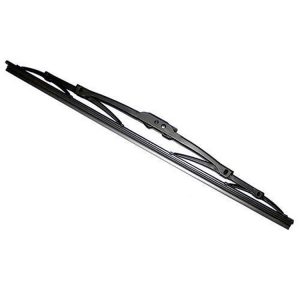
- Conventional frame blades: metal frames with several pressure points, a common factory type.
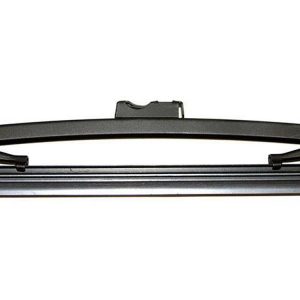
- Beam or hybrid blades: a flexible, streamlined design that presses evenly along the glass.
- Silicone blades: silicone rubber resists heat, sun and cracking and can leave water beading on the glass.
- Winter blades: enclosed in a rubber boot to keep ice and snow from clogging the frame.
Getting the size right
Blades are sold by length in inches, and the driver side, passenger side and rear blade are often different lengths. A vehicle like a Jeep Wrangler commonly uses a different rear blade from the front, so measure the existing blade or consult the owner's manual. Mixing up lengths can cause the blade to hit the pillar or leave unwiped areas. Many listings state whether the blade is for the front, the rear or both, and whether it is sold individually or as a pair.
Arm connection
Blades attach to the wiper arm with a specific connector, such as a hook, pin or side-lock design. A listing that is described as factory-style is generally made for a specific model, while universal blades usually include adapters. Check that the connector matches your arm, and that refills match the blade frame if you are only replacing the rubber insert.
Care and replacement tips
Clean the windshield and the blade edge with washer fluid or a mild cleaner to remove grit. Lift blades off the glass during freezing weather so the rubber does not stick. Do not run blades on a dry windshield. If the blade chatters, skips or leaves streaks, replace it. Confirm fitment for your exact year, make and model and check the length in the manufacturer's specifications.
Winter and off-road wiper care
Trail dust, mud and tree sap are hard on wiper rubber, and cold weather adds ice and snow. Before heading into the backcountry, clean the glass, replace worn blades and fill the washer reservoir with the proper fluid for the season. In winter, clear ice from the windshield before using the wipers, and keep blades free of packed snow. If you park outdoors in freezing weather, folding the arms away from the glass may prevent the blades from freezing to the glass. Keep a spare set of blades in the vehicle for long trips, since a torn blade in a storm is more than an inconvenience. Check the spray nozzles too, because a blocked nozzle makes even new blades work poorly, and a gentle pin cleaning often fixes that.
Common mistakes include buying a pair when the front blades are different lengths, forcing a blade onto the wrong connector, and lifting an arm by the blade itself. Hold the arm at its base when lifting it, because bending the arm changes how the blade presses on the glass.
Popular Wiper Blades and Refills brands
Wiper Blades and Refills FAQ
How often should I replace wiper blades?
Many drivers replace them about once a year, or whenever they streak, skip, squeak or leave hazy areas. Sun, heat and ice shorten their life, so replace them sooner if you see cracked or torn rubber.
How do I find the right wiper blade length?
Check the owner's manual, measure the old blade from end to end, or use the manufacturer's fitment guide. Driver, passenger and rear blades are often different sizes, so check each position.
Are silicone wiper blades worth it?
Silicone rubber tends to resist heat and sun damage and can hold its edge longer than standard rubber. Results vary by climate and use, and silicone blades are often used for water beading on the glass.
What is the difference between a blade and a refill?
A blade is the complete assembly, including the frame, while a refill is only the rubber insert. Refills can save effort if the frame is in good condition, but they must match the blade type.