
Truck Bed Side Rail Protector
Showing 25–36 of 37 resultsSorted by popularity
-
Truck Bed Side Rail Protector

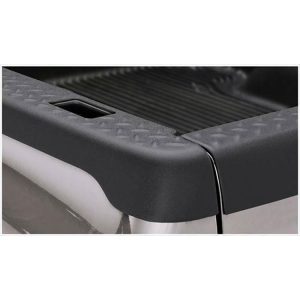
Bushwacker Ford / Mazda Diamondback Ultimate BedRail Cap by Bushwacker – 29508
 Truck Bed Side Rail Protector
Bushwacker Ford / Mazda Diamondback Ultimate BedRail Cap by Bushwacker – 29508
- Bushwacker Ultimate BedRail Cap, part 29508, for Ford Ranger and Mazda B-Series trucks
- Bushwacker lists 1993–2011 Ford Ranger and several Mazda B-Series years from 1994 to 2009
- Dura-Flex 2000 TPO plastic, UV protected, made in the U.S.A.
- No drilling; mounts with 3M adhesive and a screw-clip system
- OEM matte black with Diamond Back textured finish
- Limited Lifetime Warranty
SKU: B/W29508 -
Truck Bed Side Rail Protector
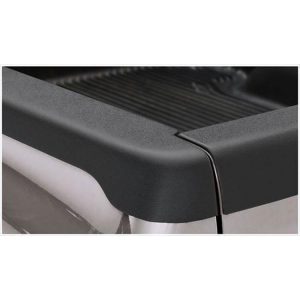
Bushwacker Ford / Mazda Smoothback Ultimate BedRail Cap by Bushwacker – 28509
 Truck Bed Side Rail Protector
Bushwacker Ford / Mazda Smoothback Ultimate BedRail Cap by Bushwacker – 28509
- Engineered for Ford or Mazda trucks, with fit to be confirmed by year and model
- Part number 28509, UPC 90689113245
- Dura-Flex 2000 TPO, UV protected, in OEM matte black with a Smooth Back textured finish
- Mounts with 3M adhesive and screw clips, no drilling
- Made in the USA with a Limited Lifetime Warranty
SKU: B/W28509 -
Truck Bed Side Rail Protector
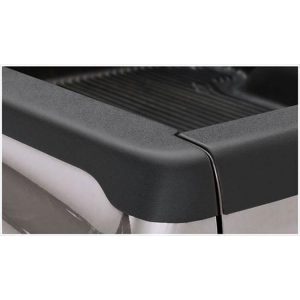
Bushwacker Dodge Smoothback Ultimate BedRail Cap by Bushwacker – 58513
 Truck Bed Side Rail Protector
Bushwacker Dodge Smoothback Ultimate BedRail Cap by Bushwacker – 58513
- Built for Dodge trucks in a direct-fit design; confirm year and model before ordering
- Part number 58513, UPC 90689113283
- Dura-Flex 2000 TPO, UV protected, in OEM matte black with a SmoothBack textured finish
- Installs with 3M adhesive and screw clips, no drilling
- Limited Lifetime Warranty stated by Bushwacker
SKU: B/W58513 -
Truck Bed Side Rail Protector
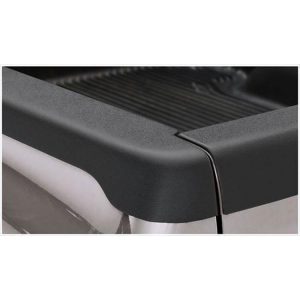
Bushwacker Chevrolet / GMC Smoothback Ultimate BedRail Cap by Bushwacker – 48502
 Truck Bed Side Rail Protector
Bushwacker Chevrolet / GMC Smoothback Ultimate BedRail Cap by Bushwacker – 48502
- Engineered for Chevrolet or GMC trucks, with a direct fit design
- Part number 48502, UPC 90689113221
- Dura-Flex 2000 TPO, UV protected, in OEM matte black with a SmoothBack textured finish
- Mounts with 3M adhesive and screw clips, no drilling
- Limited Lifetime Warranty stated by Bushwacker
SKU: B/W48502 -
Truck Bed Side Rail Protector
Bushwacker Ford / Mazda Smoothback Ultimate BedRail Cap by Bushwacker – 28508
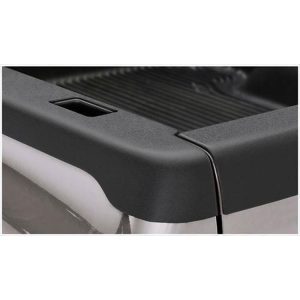 Truck Bed Side Rail Protector
Bushwacker Ford / Mazda Smoothback Ultimate BedRail Cap by Bushwacker – 28508
- Bushwacker Ford / Mazda SmoothBack bed rail cap, engineered for Ford or Mazda trucks
- Part number 28508, UPC 90689113238
- Dura-Flex 2000 TPO, UV protected, in OEM matte black with a SmoothBack textured finish
- Installs with 3M adhesive and screw clips, no drilling
- Made in the USA with a Limited Lifetime Warranty
SKU: B/W28508 -
Truck Bed Side Rail Protector
Bushwacker Dodge Diamondback Ultimate BedRail Cap by Bushwacker – 59512
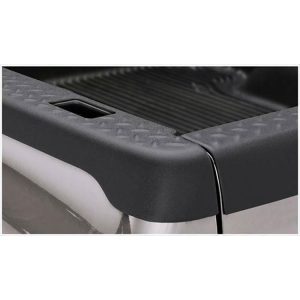 Truck Bed Side Rail Protector
Bushwacker Dodge Diamondback Ultimate BedRail Cap by Bushwacker – 59512
- Built for Dodge trucks as a direct-fit cap
- Part number 59512, UPC 90689113191
- Dura-Flex 2000 TPO, UV protected, in OEM matte black with a DiamondBack textured finish
- Mounts with 3M adhesive and screw clips, no drilling
- Limited Lifetime Warranty and made in the USA
SKU: B/W59512 -
Truck Bed Side Rail Protector
Bushwacker Toyota Smoothback Ultimate BedRail Cap by Bushwacker – 38501
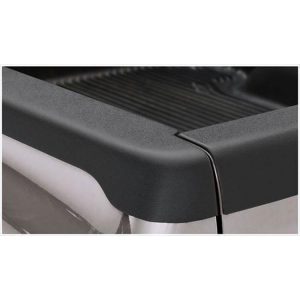 Truck Bed Side Rail Protector
Bushwacker Toyota Smoothback Ultimate BedRail Cap by Bushwacker – 38501
- Bushwacker Toyota SmoothBack bed rail cap, engineered for Toyota trucks
- Part number 38501, UPC 90689113603
- Dura-Flex 2000 TPO, UV protected, in OEM matte black with a SmoothBack textured finish
- Installs with 3M adhesive and screw clips, no drilling
- Limited Lifetime Warranty stated by Bushwacker
SKU: B/W38501 -
Truck Bed Side Rail Protector
Bushwacker GMC OE Style Ultimate BedRail Cap by Bushwacker – 49526
- Bushwacker GMC OE Style bed rail cap, engineered for GMC trucks
- Part number 49526, UPC 9068911310
- Molded from UV-protected Dura-Flex 2000 TPO with an OEM matte black OE-style textured finish
- Mounts with a 3M adhesive and screw-clip system, no drilling
- Made in the USA with a Limited Lifetime Warranty
SKU: B/W49526 -
Truck Bed Side Rail Protector
Bushwacker Chevrolet OE Style Ultimate BedRail Cap by Bushwacker – 49519
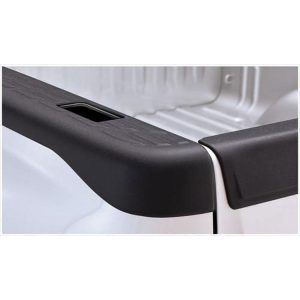 Truck Bed Side Rail Protector
Bushwacker Chevrolet OE Style Ultimate BedRail Cap by Bushwacker – 49519
- Bushwacker Chevrolet OE Style Ultimate BedRail Cap, product number 49519 in the title
- Made in the USA from UV-protected Dura-Flex 2000 TPO plastic
- OEM matte black with a textured OE style finish
- Installs with 3M adhesive and a screw-clip system, with no drilling
- Confirm year, model and trim before ordering
SKU: B/W49519 -
Truck Bed Side Rail Protector
Bushwacker Chevrolet / GMC Diamondback Ultimate BedRail Cap by Bushwacker – 49503
 Truck Bed Side Rail Protector
Bushwacker Chevrolet / GMC Diamondback Ultimate BedRail Cap by Bushwacker – 49503
- Bushwacker Ultimate BedRail Cap, DiamondBack finish, part number 49503
- OEM matte black with a diamond plate textured surface
- Produced in the United States from Dura-Flex 2000 TPO, 100% UV protected
- Mounts with 3M adhesive and screw-clip system, no drilling
- Confirm year, model and trim before ordering
SKU: B/W49503 -
Truck Bed Side Rail Protector
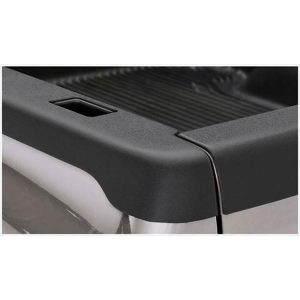
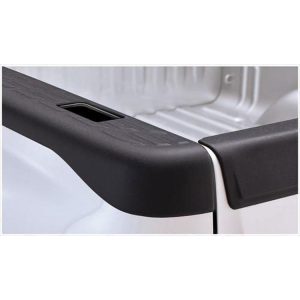
Bushwacker Chevrolet / GMC Smoothback Ultimate BedRail Cap by Bushwacker – 48501
 Truck Bed Side Rail Protector
Bushwacker Chevrolet / GMC Smoothback Ultimate BedRail Cap by Bushwacker – 48501
- Bushwacker Ultimate BedRail Cap for Chevrolet and GMC pickups, catalog number 48501
- SmoothBack textured finish in OEM matte black
- Dura-Flex 2000 TPO, made in the USA, 100% UV protected
- Mounts with 3M adhesive and screw-clip system, no drilling
- Verify year, model and trim before ordering
SKU: B/W48501

What bed rail protectors do
The top edge of a pickup bed wall takes abuse. Lumber slides across it, tools rest on it, and people lean over it while loading. Bed rail protectors fit over that edge to guard the paint and, in many designs, add a bit of cushioning against minor dings. Painted edges that are left bare can chip and then rust, so a cap is a simple form of insurance.
Common styles
- Molded caps: Plastic or similar material shaped to the rail, often textured, and sometimes sold as a complete set for both sides and the tailgate.
- Tread-plate caps: Metal with a raised pattern that resists wear and adds a rugged look.
- Wrap or overlay styles: Pieces that cover the top and part of the side face, giving more coverage.
- Stake-pocket compatible designs: Cutouts that leave stake pockets accessible.
Fit and coverage
These parts are cut for specific bed lengths and truck generations. A short-bed and long-bed truck need different lengths, and differences in the stake pocket layout, bed rail contours and factory features such as tie-down cleats matter. Check if the listing names your make, model, year range and bed length. Some products cover both sides in one set and others are sold per side, so verify what is included.
What to compare
- Material and resistance to UV fading and cracking.
- Finish: smooth, textured or tread plate.
- Attachment method: adhesive, clips, screws or a combination.
- Compatibility with bed rail lights, bed liners or tonneau covers.
- Coverage: top only or top plus outer lip.
Installation notes
Installation varies. Many caps rely on strong automotive adhesive tape and need a clean, dry, warm surface, so wash and wipe the rail with the prep solvent the maker recommends. Some designs add screws or clips, which may require drilling, and any hole should be sealed against rust. Dry-fit before peeling the backing, because the tape bonds immediately. Mark the position with painter's tape. Check the instructions for cure time before washing the truck or loading the bed.
Fitment
Always confirm fitment for your exact year, make, model and bed length, and check the manufacturer's specifications. Accessories such as tonneau covers and bed rack systems can change what fits.
Measuring before you buy
Measure the length of each side rail from the cab to the tailgate and compare it to the product length, then note the stake-pocket positions. Determine whether the factory bed has built-in tie-down rails or sidewall lighting that might interfere. Photos of the rail's top profile help compare to product images.
Care and common mistakes
Wash under the caps now and then, because water and grit can collect. Do not slide heavy items across the cap, since protection has limits. Avoid sharp tools on adhesive-mounted caps, and do not use pressure washers directly on the edges, where they could lift the tape. If a cap starts to lift, clean and re-bond it promptly rather than waiting, as water can get under it. A cap does not take the place of a bed liner, which protects the floor and walls instead.
Popular Truck Bed Side Rail Protector brands
Truck Bed Side Rail Protector FAQ
Do bed rail caps fit all pickups?
No. They are shaped for specific makes, model years, cab styles and bed lengths. Even a short bed and long bed on the same truck use different parts, so check the listing details carefully.
Will bed rail protectors damage my paint?
When installed on a clean surface with proper adhesive, they generally protect paint. Trapped dirt or moisture can cause marks, so wash and dry the rail first and clean under the caps occasionally.
Can I use a tonneau cover with bed rail caps?
Often yes, but it depends on the cover's clamps and the cap's thickness. Check both manufacturers' notes. Some caps are designed to work with common cover styles, others may interfere with clamping.
How do I remove bed rail caps?
Heat the adhesive gently with a heat gun, then work a plastic trim tool or fishing line under the cap. Remove leftover adhesive with a suitable cleaner, taking care not to damage the paint.