
Differential Gaskets
Showing 25–26 of 26 resultsSorted by popularity
What the gasket seals
The differential cover on a solid axle is bolted to the housing and holds in gear oil. The gasket between the cover and the housing seals the joint. When it hardens, shrinks or tears, the axle weeps or drips gear oil, which can stain the road and lower the oil level enough to damage the gears and bearings.
Gasket styles
- **Paper or fiber gaskets:** simple and widely used, but typically single use and often installed with an added sealant.
- **Cork or composite:** compress to fill small surface imperfections.
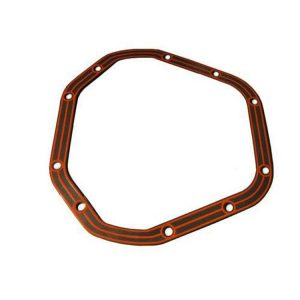
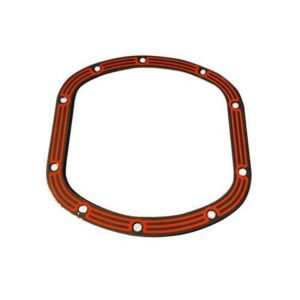
- **Molded elastomer gaskets:** a rubber bead on both sides of the plate, some of which are described by the maker as needing no additional sealant and as reusable.
- **RTV silicone:** the alternative to a gasket, applied as a bead, sometimes combined with a gasket where the maker allows.
Follow the instructions that come with the part. Some gaskets must be installed dry, while others require a thin film of sealant.
Matching the axle
Gaskets are shaped for a specific housing, so the axle model comes first. Listings name the axle, such as Dana 44, Dana 60, AMC Model 20 or Chrysler 8.25, and many are for particular cover styles. If you have a different cover, such as an aftermarket cast or steel cover, verify the bolt pattern and outline before ordering. Count the bolt holes and compare the shape. Confirm fitment for your exact vehicle, axle and cover.
Installation notes
Drain the gear oil first and collect it for proper disposal. Clean both sealing surfaces thoroughly, since old gasket material or oil leaves a leak path, then check for flatness and nicks. Fit the new gasket, bolt the cover on and tighten the bolts in a crisscross pattern to the specified torque, in stages. Refill with the gear oil type and amount recommended by the axle manufacturer and check for leaks after a short drive. Also check the axle breather, since a clogged vent builds pressure and pushes oil past the seal. This is a good time to inspect the gears and fluid for metal particles and to refill with fresh oil.
Treat a gasket change as an inspection opportunity. When the cover comes off, look at the gear oil: a little fine paste is normal, while chunks of metal suggest internal damage. Check the ring gear teeth, the carrier and the bearing caps. If the cover is bent from a rock strike, straighten or replace it, because a warped sealing surface will leak with any gasket. Replace weak cover bolts, and use threadlocker only if the manufacturer recommends it. Some owners upgrade to a heavier cover or one with a drain plug, which makes future fluid changes simpler, but the gasket must still match the cover outline. After a deep water crossing, change gear oil if it looks milky, since water in the differential damages bearings and gears rapidly. Write the date and mileage of the service on the axle housing or in your maintenance log so you know when the next fluid change is due.
Popular Differential Gaskets brands
Differential Gaskets FAQ
Can I reuse a differential cover gasket?
Most paper or fiber gaskets are single use. Some molded elastomer gaskets are described by the maker as reusable. Follow the manufacturer's instructions for the specific product you choose.
Do I need RTV sealant with a cover gasket?
It depends on the gasket. Some require a thin film of sealant, and others are designed to be used without it. Read the instructions included with the product rather than assuming.
How do I tell which gasket fits my axle?
Identify the axle model, such as Dana 44 or Chrysler 8.25, then match the cover shape and bolt pattern. Aftermarket covers may differ from stock, so check the outline and hole count.
Why is my differential leaking gear oil?
Common causes include a worn cover gasket, pinion or axle seals, and a clogged breather that builds pressure. Find the leak source before replacing parts, and keep the fluid level correct.