Disc brake pads for trucks, SUVs and Jeeps, in ceramic, carbon-ceramic and performance street compounds. Brands include Power Stop, EBC Brakes and Hawk Performance, along with replacement pads from Crown Automotive and Omix-Ada.Choose by vehicle first, then by use: daily driving, towing or spirited street and track work. Open a product page for part numbers and details, then compare the listings on this page.
Disc Brake Pads
Showing 1–12 of 244 resultsSorted by popularity
-
-
-
Disc Brake Pads
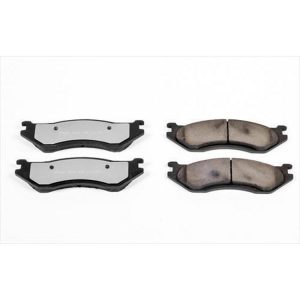
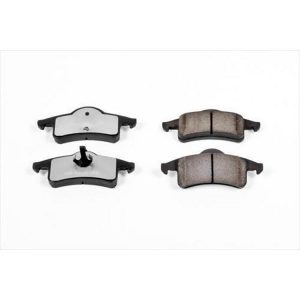
Power Stop Z36 Truck And Tow Brake Pads – Z36-981
- Fits 2003–2007 Jeep Liberty (KJ) and 2003–2006 Jeep Wrangler (TJ and LJ)
- Rear brake pads, direct fit with the stock caliper
- Carbon and ceramic Z36 Truck and Tow formula
- Includes noise insulating shims and hi-temp lubricant
SKU: PSTZ36-981 -
-
-
-
-
-
Disc Brake Pads
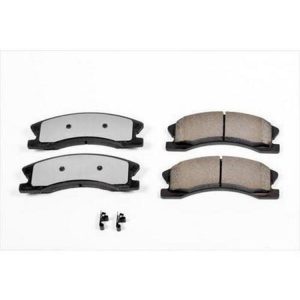
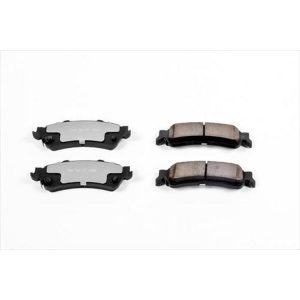
Power Stop Z36 Truck And Tow Brake Pads – Z36-792
- Fits 1999–2007 Chevrolet Silverado 1500, GMC Sierra 1500, Tahoe, Yukon, Suburban 1500, Yukon XL 1500 and Avalanche 1500
- Rear brake pads, direct fit with the stock caliper
- Carbon and ceramic Z36 Truck and Tow formula
- Includes noise insulating shims and hi-temp lubricant
SKU: PSTZ36-792 -
-
-
Disc Brake Pads
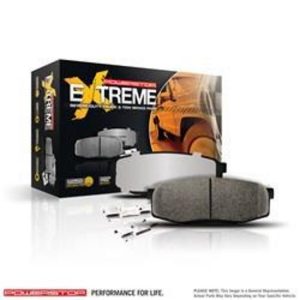
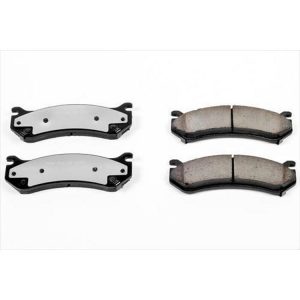
Power Stop Z36 Truck And Tow Brake Pads – Z36-785
- Fits 1999–2013 Chevrolet Silverado, GMC Sierra, Tahoe, Yukon, Suburban, Avalanche, Cadillac Escalade and Hummer H2
- Rear brake pads, direct fit with the stock caliper
- Carbon and ceramic Z36 Truck and Tow formula
- Includes noise insulating shims and hi-temp lubricant
SKU: PSTZ36-785



What brake pads do
Disc brake pads are the friction material that clamps against the rotor when you press the pedal. They convert motion into heat, so the compound, backing plate and shims all affect stopping feel, noise, dust and rotor wear. Pads are sold as an axle set, so a front set covers both front wheels.
This branch lists pads for many trucks and SUVs, including Power Stop Z23 and Z36 lines, EBC Greenstuff and Yellowstuff series, and direct-replacement Jeep pads.
Choosing a compound
The product names hint at the intended use, so read the description closely.
- Truck and tow formulas, such as the Power Stop Z36 line, are aimed at heavier vehicles and trailer use and are generally designed to handle higher temperatures.
- Ceramic and carbon-ceramic street pads tend to focus on low dust and quiet operation for daily driving.
- Sport and fast-street compounds, such as EBC Yellowstuff, trade some dust and noise for firmer pedal feel and more bite at higher temperature, and often need a cold-weather caution.
- Standard OE-style pads suit stock vehicles that see normal driving.
If you tow, carry heavy loads or run larger tires, favor a pad rated for that use rather than a light-duty street compound.
Fitment details to confirm
Brake pads are specific to caliper design and vehicle. Confirm model year, trim, front or rear axle, and whether your vehicle has a particular brake package, since some trucks offer more than one caliper size in the same year. Check the manufacturer's application guide and, if possible, compare the old pad's shape and backing plate before installing.
Some listings mention hardware such as shims, a lubricant packet or a powder-coated backing plate. Those extras help with noise and corrosion resistance, but you may still need new clips if yours are bent or rusty.
Installation and bed-in
Brakes are a safety system, so replace pads on both wheels of an axle together, clean and lubricate slide points, and check rotor thickness and condition. Worn, grooved or warped rotors should be machined within spec or replaced. Torque caliper bracket bolts and wheel lugs to factory values.
Most new pads need a bed-in procedure to transfer an even layer of friction material to the rotor. Follow the instructions packaged with the pads. If you are unsure about doing the job, have a professional shop perform it and road test the vehicle before heavy use.
Inspecting pads, rotors and hardware
A pad swap is a good time to inspect the rest of the brake system. Measure remaining pad thickness at the thinnest point rather than the middle, and compare it with the minimum in your service manual. Uneven wear between the inner and outer pad on one caliper usually points to sticking slide pins or a seized piston, and a new pad will not cure that.
- Check rotor thickness against the minimum stamped on the rotor or listed in the manual
- Look for deep grooves, a pronounced lip at the edge, heat spots or cracks
- Inspect brake hoses for bulges, cracking or leaks at the fittings
- Replace bent or rusted anti-rattle clips, and clean the bracket where the pad ears slide
- Check the brake fluid level and color, and replace fluid that is dark or old
Avoid getting grease or fluid on the friction surface of pads or rotors, and use only brake-rated lubricant on slide pins and contact points. After installation, pump the pedal until it is firm before moving the vehicle, because the pistons need to reseat against the new pads.
Popular Disc Brake Pads brands
- Power Stop (197)
- EBC Brakes (36)
- Crown Automotive (5)
- Hawk Performance (4)
- Omix-Ada (4)
- Stainless Steel Brakes (3)
- Power Slot (2)
Disc Brake Pads FAQ
Do I need to replace rotors with new pads?
Not always. If rotors are within the minimum thickness, smooth and free of cracks or heavy lipping, they can be reused. Many shops replace or resurface them for best contact, and mismatched wear can cause noise or vibration.
Are ceramic pads better than semi-metallic?
They suit different goals. Ceramic compounds usually produce less dust and noise, while semi-metallic and performance compounds often bite harder when hot. Choose based on your driving, load and towing needs.
How long do brake pads last?
Life varies widely with vehicle weight, driving style, terrain, towing and compound. Inspect pad thickness at every tire rotation and replace them at or before the minimum thickness the manufacturer specifies.
Why do my new brakes squeal?
Common causes include skipped bed-in, dry slide pins, missing shims or glazed rotors. Cleaning, lubricating contact points with brake-rated grease and following the bed-in procedure resolves most noise.