
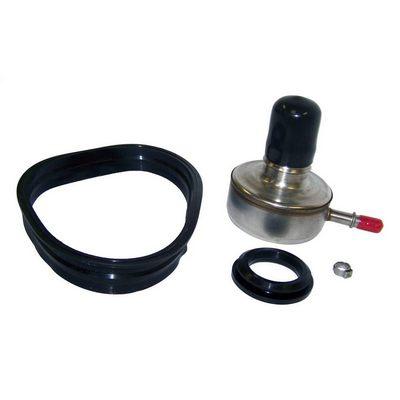

Overview
The Crown Automotive fuel pressure regulator kit, part number CRO4798825AC (title number 4798825AC), is a fuel pressure regulator kit for the Dodge Dakota and the Dodge Ram 1500, 2500 and 3500 pickups in the years listed.
It is a direct fit kit. Kit contents, materials and pressure ratings should be confirmed before installation.
Key features
- Fuel pressure regulator kit
- Direct fit listing
- Covers 2001–2003 Dakota and 1996–2003 Ram 1500, 2500 and 3500
Fuel pressure regulator basics
A fuel pressure regulator holds rail pressure at a set level, so the injectors receive fuel at a steady pressure across engine load. When the regulator weakens, the engine may hesitate, stall or run rich, which is why regulator work is often a diagnostic step.
Replace the regulator with its O-rings and seals, since old seals can leak fuel or let air in. Before disconnecting lines, relieve fuel system pressure and keep the work area free of ignition sources. Compare the kit’s connections with your truck’s fuel rail before beginning. Many shops also check the fuel pump and filter at the same time, since low flow can mimic a failing regulator.
- Replace seals and O-rings with the regulator
- Check for fuel odor after installation
- Watch for hesitation under load as a wear sign
Specifications
| Brand | Crown Automotive |
|---|---|
| Part number | CRO4798825AC |
| Item | Fuel pressure regulator kit |
| Fitment | Direct fit |
| Kit contents | Not listed |
Vehicle fitment
It fits the 2001–2003 Dodge Dakota in Base, R/T, SLT, SXT and Sport trims, the 1996–2003 Dodge Ram 1500 in Base, LT, Laramie, SLT, ST, Sport and WS trims, the 1996–2003 Dodge Ram 2500 in Base, Laramie, SLT and ST trims, and the 1996–2003 Dodge Ram 3500 in Base, Laramie, SLT and ST trims.
Dakota years after 2003 and Ram models from 2004 onward are not on this list. Confirm your vehicle’s year, model and trim before ordering.
Installation notes
Relieve fuel pressure before removing any regulator component, and check the kit contents against your trim before starting.
What’s included
Check the kit contents against your trim and installation before starting.


