
Sway Bar Assemblies
Showing 13–24 of 50 resultsSorted by popularity
-
-
Sway Bar Assemblies
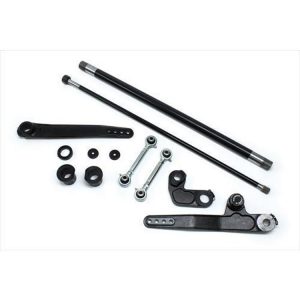
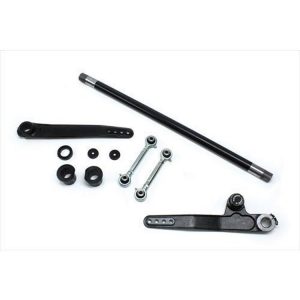
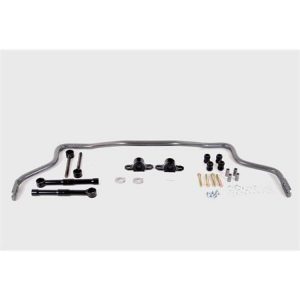
TeraFlex Trail S/T Front Sway Bar System – 1743615
- TeraFlex 1743615 front Trail S/T sway bar system, single rate
- Trail rate only with an engagement knob for street and trail
- Includes sway bar links and hardware
- Fits 2004-2006 Jeep Wrangler LJ and 1997-2006 Wrangler TJ models
SKU: TER1743615 -
-
-
-
-
Sway Bar Assemblies
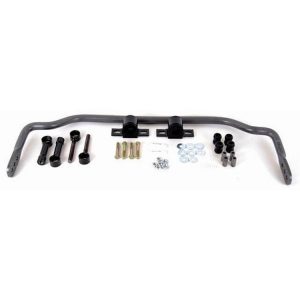
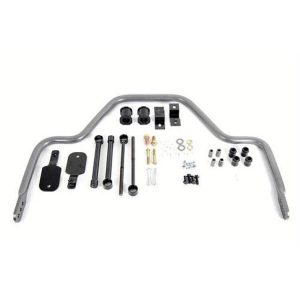
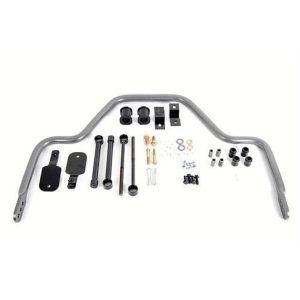
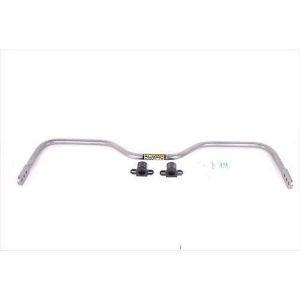
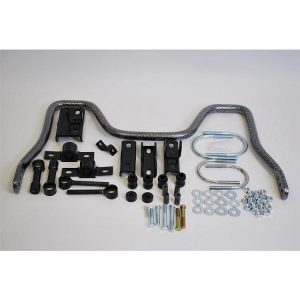
Hellwig 2014 Dodge Ram 2500 with Rear Coil Springs 2WD & 4WD – 7738
- Hellwig 7738 rear sway bar for 2014–2016 Dodge Ram 2500 trucks with rear coil springs, 2WD and 4WD
- 1 1/8 inch heat-treated 4140 chromoly solid steel bar for improved sway control
- Designed to work with the factory front sway bar for heavy hauling and towing
- No drilling required; powdercoated for corrosion resistance
- Backed by a lifetime guarantee
SKU: HEL7738




How a sway bar works
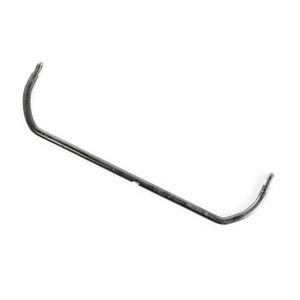
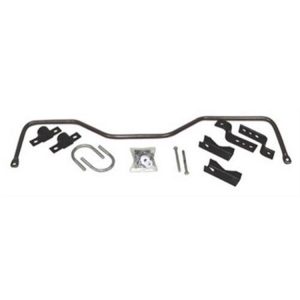
A sway bar, also called a stabilizer or anti-roll bar, is a spring steel bar connecting both ends of an axle to the frame through links and bushings. When the body leans in a corner, the bar twists and resists the roll. A thicker or stiffer bar resists more roll, which flattens cornering on pavement, especially on lifted, top-heavy vehicles.
Choosing a bar
- Stock replacement bars restore factory handling when the original is bent or its mounts are damaged.
- Larger-diameter upgrade bars, such as those from Hellwig, reduce body roll on lifted trucks and SUVs.
- Antirock-style kits, such as Currie designs, use a different arrangement to resist roll while allowing articulation off-road.
- Dual rate and disconnect-friendly designs give a firmer street ride and more flex on the trail.
Front and rear bars work together. Adding only a stiff front bar can increase understeer, so many owners upgrade both ends when possible.
Specs to compare
Check whether the bar is front or rear and whether the listing covers 2-door or 4-door models. Compare the material, such as heat-treated SAE 4130 steel or 4140 chrome-moly, and whether bushings and hardware are included. Polyurethane bushings last well but may squeak without proper lubrication. Check whether the kit includes end links, brackets, and instructions, or just the bar. Electronic disconnect harnesses are listed too, so read carefully whether you are looking at a bar or an accessory.
Installation notes
Most bolt-on bars install with common tools, but suspension and brake line routing should be checked after installation. Torque fasteners to the manufacturer specification with the vehicle at ride height to avoid preloading the bushings. If the vehicle has been lifted, longer end links may be necessary to keep the bar level. Professional installation is recommended if you are unsure.
Confirming fitment
Sway bars are specific to the model, year range, wheelbase, and sometimes engine or coil spring type. Confirm fitment for your exact year, make, and model, and check the manufacturer specifications. Lift height and rules for modifications vary, so check local regulations.
Lubricate polyurethane bushings with the silicone or polyurethane-safe grease supplied, rather than petroleum grease, which can degrade some bushing compounds. Check the bar annually for cracks near the bends and mounting points, where fatigue shows up first.
Common pairings and mistakes
Sway bars pair with the right links and bushings. A lifted vehicle usually needs longer end links to keep the bar level, and worn links defeat even the best bar. Quick-disconnect links make sense when you want more flex off-road and the extra roll control on the highway, but remember to reconnect before driving at speed. A common mistake is installing a thicker bar at one end only without considering the effect on balance. Another is tightening the bushing brackets with the suspension hanging, which preloads the bushings and speeds up wear. Do not forget to inspect the frame mounts for cracks. Finally, remember that removing a bar entirely, as some off-roaders do, makes on-road handling noticeably worse and is not advisable for daily driving.
Popular Sway Bar Assemblies brands
- Hellwig (22)
- Currie (11)
- TeraFlex (7)
- ADDCO (2)
- Rubicon Express (2)
- RockJock 4x4 (2)
- Omix-Ada (2)
- Fabtech (1)
- G2 Axle and Gear (1)
- ARB 4x4 Accessories (1)
- Jeep (1)
- Dorman (1)
Sway Bar Assemblies FAQ
Will a larger sway bar hurt off-road performance?
A stiffer fixed bar can limit axle articulation on the trail. Disconnectable links or antirock-style kits reduce that tradeoff. Match the bar to how much time you spend on pavement versus rocks.
Do I need a sway bar for a lifted truck?
Not required, but a lift raises the center of gravity and increases body roll. An upgraded sway bar can help control that on the road. Many drivers add one along with new shocks.
What is an antirock kit?
An antirock kit is a sway bar system that mounts differently from a standard bar, using arms and a torsion bar to resist roll with less loss of articulation. Currie sells it for several Jeep models.
Should I replace sway bar bushings and end links too?
If they are worn, yes. Worn bushings cause clunks and reduce the bar effect. Many kits include new bushings and hardware, so check the contents on the product page.