
Shock Absorber Bushing
Showing 13–24 of 67 resultsSorted by popularity
-
-
-
Shock Absorber Bushing
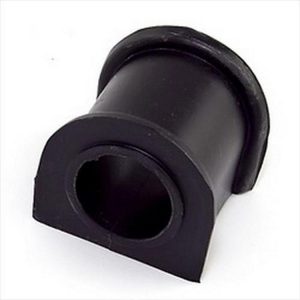
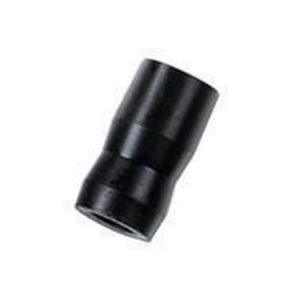
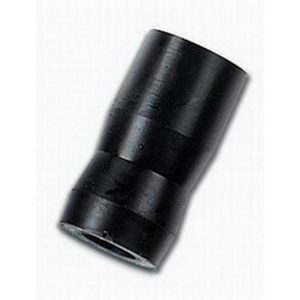
Omix-ADA Shock Mount Bushing – 18272.13
- Front lower shock mount bushing for 1987–1995 Jeep Wrangler (YJ), per the manufacturer fitment list
- Part number 18272.13, UPC 804314025489
- Direct OE replacement design from Omix-Ada
- Limited five-year warranty from Omix-Ada
SKU: OAI18272.13 -

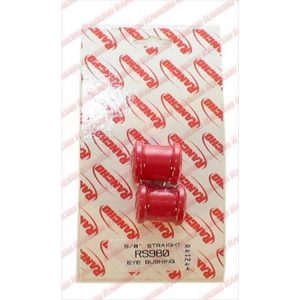
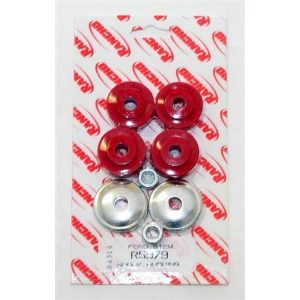


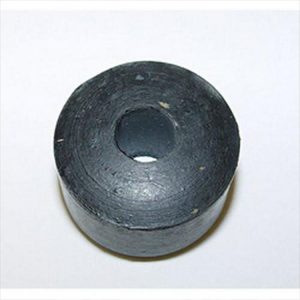




What shock bushings do
Each end of a shock absorber attaches through an eye that holds a bushing. The bushing isolates the shock from vibration, lets the mounting point pivot as the suspension moves, and protects the metal from wear. When bushings dry out, crack, or compress, you may hear a clunk over bumps or notice a loose, vague feel. Replacing them is a quick, inexpensive fix that restores quiet operation and keeps the shock working as intended.
Rubber and polyurethane
Rubber is the factory choice and gives the quietest ride, but it ages faster, especially in heat and with exposure to oil. Polyurethane is firmer, resists oil and ozone, and often lasts longer, though it can transmit more noise and may squeak without lubrication. Energy Suspension, for example, lists products in several colors, and the material hardness affects the feel. Choose the material according to how you use the vehicle. A daily driver may do best with softer bushings, while a trail rig with hard use may favor the durability of polyurethane.
How to pick the right size
- Inner diameter: must match the shock mounting bolt or stud. Common sizes include 5/8 inch and 3/4 inch.
- Length: the bushing length needs to fit the eye width or shock mount.
- Outer diameter and eye shape: bushings are sized to the shock's eye, which is usually straight or hourglass in cross section.
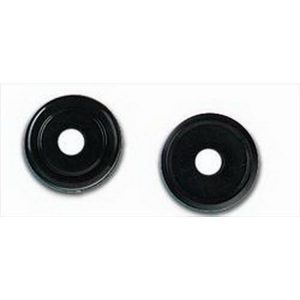
- Sleeves and washers: some designs use a metal sleeve, washers, or cups, so check what the kit includes.
Measure the eye on your shock and the stud or bolt before ordering. Brand-specific shocks sometimes use proprietary bushings, so check that the kit lists your shock series, such as a particular Rancho or Pro Comp model.
Installation tips
Support the vehicle safely on stands and relieve the load on the suspension before removing a shock. Press the old bushing out with a vise or bushing press, clean the eye, and press the new one in. Lubricate polyurethane with the supplied grease so it can pivot quietly. Tighten the mounting bolts to specification with the suspension at normal ride height, not hanging, so the bushing is not preloaded in a twisted position. That helps keep it from wearing quickly.
If a shock is leaking or the body is damaged, replace the shock rather than only the bushing. Suspension work is safety related, so use proper torque specs and consider professional help. Always confirm fitment for your exact year, make, and model and the shock you are using.
Common mistakes
Do not mix a different bushing material at the two ends of one shock unless you want a different feel at each end. Avoid petroleum-based grease on rubber bushings, since it can soften the rubber, and use the lubricant that comes with polyurethane. Make sure the sleeve is the right length so the shock can be tightened without squeezing the bushing. If the shock eye is egg-shaped or worn oval, a new bushing will not cure the knock, and the shock itself should be replaced. Take care when pressing a bushing in, as hammering can distort the eye. Replace bushings in pairs on each shock and ideally across the axle for consistent handling, and inspect the mounting hardware too.
Popular Shock Absorber Bushing brands
- Energy Suspension (24)
- Pro Comp Suspension (14)
- Crown Automotive (5)
- Rancho (5)
- Prothane (5)
- Daystar (4)
- Omix-Ada (3)
- Gorilla Automotive (3)
- ARB 4x4 Accessories (3)
- Rugged Ridge (2)
- Fabtech (2)
- Rubicon Express (1)
Shock Absorber Bushing FAQ
How do I know if my shock bushings are worn?
Clunking or knocking over bumps, visible cracking or flattening, and excess play in the shock mounts are typical signs. Shocks that seem loose can also cause uneven handling. Inspect the bushings when the shock is unloaded.
Are polyurethane shock bushings better than rubber?
Neither is better in every case. Polyurethane is firmer and tends to last longer, while rubber is quieter and more compliant. The right choice depends on your vehicle and how you use it.
How do I measure a shock bushing?
Measure the inner diameter to match your mounting bolt or stud, the length to fit the eye width, and the outer diameter to fit the eye opening. Also note whether the eye is straight or hourglass shaped.
Should I replace bushings when I replace shocks?
Often yes. New shocks with worn bushings will not perform or feel as expected, and many replacement shocks include bushings. If you are reusing mounts and hardware, inspect them and replace any worn parts.