
Leaf Spring Shackle Bushing
Showing 49–53 of 53 resultsSorted by popularity
-
-
-
Leaf Spring Shackle Bushing
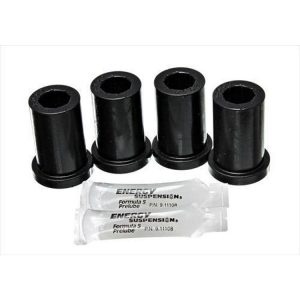
Daystar Front or Rear Frame Shackle Bushings (Black) – KJ02011BK
- Daystar black polyurethane frame shackle bushings, part KJ02011BK, for front or rear shackle positions
- Early model CJs require modifications before fitting
- Two kits needed per vehicle
- Non-greaseable polyurethane with a limited lifetime warranty
SKU: DAYKJ02011BK -
-
Leaf Spring Shackle Bushing
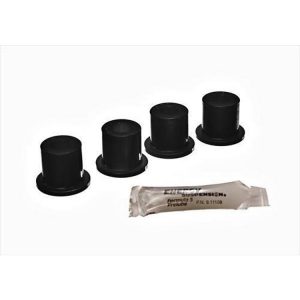
Trail Gear Greasable Bushing Leaf Spring (Black) – 111314-1-KIT
- Rear leaf spring bushing, part number 111314-1-KIT
- Black greasable polyurethane construction
- Rear leaf spring bushing; confirm fit for your vehicle before ordering
- Sold individually; UPC 70000621540
SKU: TGI111314-1-KIT




The role of the shackle bushing
A leaf spring changes length as it moves, flattening out under load and arching when unloaded. The shackle is the swinging link at one end that lets this happen, and it pivots on bushings at the spring eye and at the frame hanger. If these bushings wear, the shackle can rattle, the axle may shift and the vehicle may wander on the highway.
Material choices
- Rubber is soft and quiet and is the usual original equipment choice, but it can crack and break down over time.
- Polyurethane is firmer, resists wear well and keeps its shape, with a trade-off in ride harshness and some noise.
- Greasable bushings, such as those with a grease fitting and sleeve, are useful for harsh use, since they allow articulation without binding.
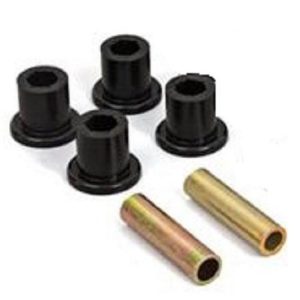
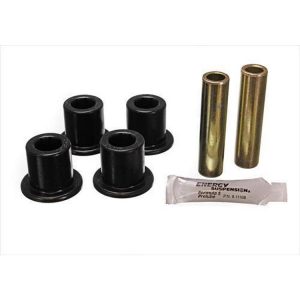
- Metal-sleeved kits help keep the bolt from wearing the bushing.
Shackle bushings see a lot of movement, so a design that can be lubricated or replaced easily is practical for rock crawling or heavy use.
Sizing a kit
Check the bushing's outer diameter, the inner sleeve diameter and the overall width. Shackle bushings are often a different size from the spring eye bushings at the other end of the spring, so do not assume a spring-eye kit will fit. Confirm that the kit includes enough parts for each side and that the sleeves match your shackle bolt. If your vehicle has aftermarket shackles or a lift, check what size the new parts use.
Installation tips
Support the vehicle safely on jack stands and take the weight off the spring before loosening hardware. Press or drive out the old bushing with the right tool, and fit the new ones with the supplied lubricant. Do the final tightening of the shackle bolts with the vehicle on the ground, so the bushings are not preloaded in a twisted position. Use the torque specification from the manufacturer. Replace both shackle ends on one side at the same time.
Fitment notes
Shackle designs differ by vehicle, year and spring brand. Confirm fitment for your exact year, make and model and verify sizes against the manufacturer's specifications.
Inspection and common mistakes
Check the shackles themselves when you replace bushings. Look for bent plates, stretched bolt holes and worn bolts, and replace any that are damaged, since new bushings in a worn shackle will not solve the problem. Do not reuse badly corroded bolts. Use the correct sleeve length so the bushing can not be crushed when the bolt is torqued. Avoid over-lubricating polyurethane with petroleum products if the manufacturer recommends silicone or a specific grease. After installation, check the rear axle alignment by measuring the wheelbase on each side, since a shifted axle can result from uneven shackle setup. Recheck bolt torque after the first drive.
Take time to clean the shackle hangers and mounting holes while the parts are off, because rust and dirt in the hanger can wear a new bushing quickly. A wire brush and a light coat of paint on bare metal helps extend its life.
Popular Leaf Spring Shackle Bushing brands
- Prothane Motion Control (18)
- Energy Suspension (17)
- Daystar (7)
- Trail Gear (5)
- Skyjacker (3)
- Prothane (2)
- Warrior (1)
Leaf Spring Shackle Bushing FAQ
How do I know if shackle bushings need replacing?
A loose, clunking rear end, noise over bumps, visibly cracked rubber or a shackle that moves side to side are all warning signs. Inspect while the axle is supported and pry gently to check for play.
Should I tighten shackle bolts with the suspension hanging?
No. Final torque should be done with the vehicle's weight on the suspension, at ride height. Tightening with the axle hanging can preload the bushings, causing them to bind and wear out early.
Are greasable bushings worth it?
For trail rigs that flex heavily, a greasable design can reduce binding and noise. They need regular maintenance with the right grease. For mostly street use, a standard rubber or polyurethane kit is usually enough.