
Side Steps & Running Boards
Showing 193–204 of 502 resultsSorted by popularity
-
Nerf Bars & Steps, Nerf Steps, Side Steps & Running Boards
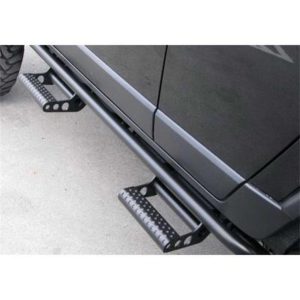
N-Fab RKR Rock Rails Step System (Black) – D194RKRQCS4
 Nerf Bars & Steps, Nerf Steps, Side Steps & Running Boards
N-Fab RKR Rock Rails Step System (Black) – D194RKRQCS4
- N-Fab RKR Rock Rails step system in black, part number N/FD194RKRQCS4
- Listed fitment: 2019–2026 Ram 1500 in the Big Horn, HFE, Laramie, Lone Star, Rebel and Tradesman trims
- Direct fit dual rail design built from fully welded tubular steel with a 0. 120″ wall and 1. 75″ tube size
- Finished with the N-FAB 4-Stage powder coating system
- Cab-length configuration for pickup trucks, full-length for SUVs
SKU: N/FD194RKRQCS4 -
Rock Sliders, Side Steps & Running Boards
N-Fab RKR Rails (Textured Black) – J194TRKR
- Direct fit for 2020–2026 Jeep Gladiator
- Part number N/FJ194TRKR in textured matte black
- Wheel to wheel length with .120″ wall and 1.75″ tubular steel
- Fully welded and treated inside and outside against rust
SKU: N/FJ194TRKR -
Rock Sliders, Side Steps & Running Boards
N-Fab RKR Rails – D104RKRCC
- Direct fit for 2010 and 2011–2019 Dodge Ram 2500 and 3500 trucks
- Part number N/FD104RKRCC, RKR Rails with .120″ wall tubing
- 1.75″ tubular steel, fully welded and treated inside and out
- Optional drop-down steps, sold separately in pairs
SKU: N/FD104RKRCC -
Nerf Bars & Steps, Nerf Steps, Side Steps & Running Boards
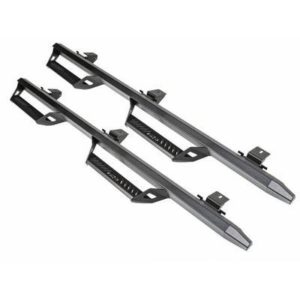
N-Fab Predator PRO Steps (Textured Black) – PRD1977CC-TX
 Nerf Bars & Steps, Nerf Steps, Side Steps & Running Boards
N-Fab Predator PRO Steps (Textured Black) – PRD1977CC-TX
- Fits the 2019–2026 Ram 1500 in trims including Laramie Longhorn, Limited, Special Service and TRX
- Part number N/FPRD1977CC-TX, cab length, Textured/Matte Black finish
- Drop-down hoop step with a large dimpled step pad
- Fully welded 1-piece construction
SKU: N/FPRD1977CC-TX -
Nerf Bars & Steps, Nerf Steps, Side Steps & Running Boards
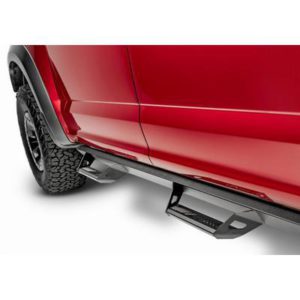
N-Fab Predator Pro Steps (Black) – PRD1967QC-TX
 Nerf Bars & Steps, Nerf Steps, Side Steps & Running Boards
N-Fab Predator Pro Steps (Black) – PRD1967QC-TX
- Fits the 2019–2026 Ram 1500 in the Big Horn, HFE, Laramie, Lone Star, Rebel and Tradesman trims
- Part number N/FPRD1967QC-TX, Black finish
- Drop-down hoop step with a large dimpled step pad
- Fully welded 1-piece design
SKU: N/FPRD1967QC-TX -
Nerf Bars & Steps, Nerf Steps, Side Steps & Running Boards
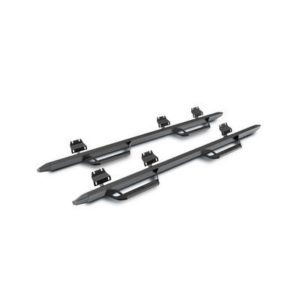
N-Fab Predator Pro Step System (Textured Black) – PRT1458R-TX
 Nerf Bars & Steps, Nerf Steps, Side Steps & Running Boards
N-Fab Predator Pro Step System (Textured Black) – PRT1458R-TX
- Fits the 2014–2024 Toyota 4Runner in the trims N-Fab lists, including Limited, Nightshade, SR5 and TRD Pro
- Part number N/FPRT1458R-TX, cab length, Textured/Matte Black finish
- Patented drop-down hoop step with a large dimpled step pad
- Fully welded 1-piece design with two steps per kit
- Mounting hardware included
SKU: N/FPRT1458R-TX -
Nerf Bars & Steps, Nerf Steps, Side Steps & Running Boards
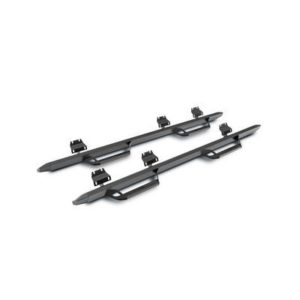
N-Fab Predator Pro Step System (Textured Black) – PRT0784CC-TX
 Nerf Bars & Steps, Nerf Steps, Side Steps & Running Boards
N-Fab Predator Pro Step System (Textured Black) – PRT0784CC-TX
- Fits the 2007–2018 Toyota Tundra in the 1794 Edition, Base, Limited, Platinum, SR5 and TRD Pro trims
- Part number N/FPRT0784CC-TX, cab length, Textured/Matte Black finish
- Patented drop-down hoop step with a large dimpled step pad
- Fully welded 1-piece construction
- Two steps and all hardware necessary for installation included
SKU: N/FPRT0784CC-TX -
Nerf Bars & Steps, Nerf Steps, Side Steps & Running Boards
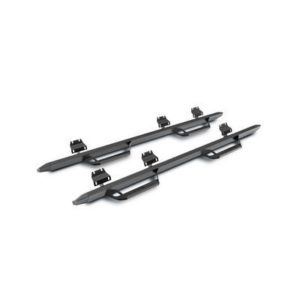
N-Fab Predator Pro Step System (Textured Black) – PRT0777QC-TX
 Nerf Bars & Steps, Nerf Steps, Side Steps & Running Boards
N-Fab Predator Pro Step System (Textured Black) – PRT0777QC-TX
- N-Fab Predator Pro drop-down hoop step, textured black, part number N/FPRT0777QC-TX
- Direct fit for 2007–2021 Toyota Tundra Base, Limited, Nightshade, SR5 and TRD Pro trims
- Cab length, fully welded one-piece hoop
- Two steps and installation hardware included
SKU: N/FPRT0777QC-TX -
Nerf Bars & Steps, Nerf Steps, Side Steps & Running Boards
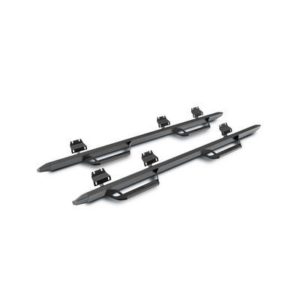
N-Fab Predator Pro Step System (Textured Black) – PRN1677CC-TX
 Nerf Bars & Steps, Nerf Steps, Side Steps & Running Boards
N-Fab Predator Pro Step System (Textured Black) – PRN1677CC-TX
- N-Fab Predator Pro drop-down hoop step, textured black, part number N/FPRN1677CC-TX
- Direct fit for 2017–2024 Nissan Titan and 2016–2024 Titan XD trims listed
- Cab length, fully welded one-piece design
- Both steps and installation hardware come with the kit
SKU: N/FPRN1677CC-TX -
Nerf Bars & Steps, Nerf Steps, Side Steps & Running Boards
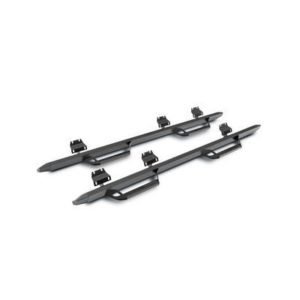
N-Fab Predator Pro Step System (Textured Black) – PRG1563QC-TX
 Nerf Bars & Steps, Nerf Steps, Side Steps & Running Boards
N-Fab Predator Pro Step System (Textured Black) – PRG1563QC-TX
- N-Fab Predator Pro drop-down hoop step, textured black, part number N/FPRG1563QC-TX
- Direct fit for 2015–2022 Chevrolet Colorado and GMC Canyon trims listed
- Cab length, one-piece welded hoop with dimpled step pad
- Two steps and mounting hardware included
SKU: N/FPRG1563QC-TX -
Nerf Bars & Steps, Nerf Steps, Side Steps & Running Boards
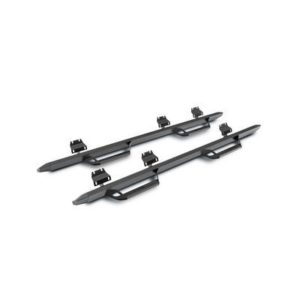
N-Fab Predator Pro Step System (Textured Black) – PRD1090MC-TX
 Nerf Bars & Steps, Nerf Steps, Side Steps & Running Boards
N-Fab Predator Pro Step System (Textured Black) – PRD1090MC-TX
- N-Fab Predator Pro drop-down hoop step, textured black, part number N/FPRD1090MC-TX
- Direct fit for 2010 and 2011–2019 Ram 2500 and 3500 trucks in the listed trims
- Cab length, fully welded one-piece design
- Some trucks need minor drilling for installation
SKU: N/FPRD1090MC-TX -
Nerf Bars & Steps, Nerf Steps, Side Steps & Running Boards
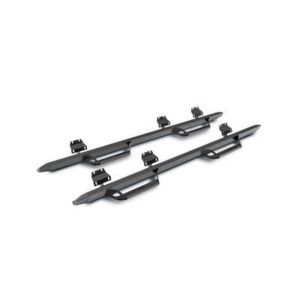
N-Fab Predator Pro Step System (Textured Black) – PRD1077CC-TX
 Nerf Bars & Steps, Nerf Steps, Side Steps & Running Boards
N-Fab Predator Pro Step System (Textured Black) – PRD1077CC-TX
- N-Fab Predator Pro drop-down hoop step, textured black, part number N/FPRD1077CC-TX
- Direct fit for 2010 and 2011–2019 Ram 2500 and 3500 trucks in the listed trims
- Cab length with a large dimpled step pad
- Two steps and installation hardware are included
SKU: N/FPRD1077CC-TX
Types of side steps
Round nerf bars are tubes, usually 3 inches in diameter, with step pads along the length. Running boards are flat, wide platforms that give more foot room and more coverage against road spray. Step systems such as drop-style or hoop designs place compact steps at the door openings only. Rock sliders with steps use heavier tubing and frame-level mounting for trail protection, and electric steps deploy when a door opens and retract when it closes.
How to choose
Start with how the truck is used. Daily drivers and family vehicles usually benefit from a wide, grippy surface. Trail rigs need clearance, so a tucked-in profile or a slider that sits above the rocker may suit better than a low-hanging board. Sizing details to compare:
- Length: cab length, crew cab, wheel-to-wheel (covering the bed side too) or step-only layouts.
- Finish: gloss black, textured black, powder coat or stainless steel. Textured coatings hide scuffs better than gloss.
- Step surface: cleated, perforated or rubber pads. Look for a surface that drains water and sheds mud.
- Mounting: many listings are described as no-drill or direct fit, using factory holes or existing frame points. Others require drilling.
Fitment and ground clearance
Side steps are vehicle specific. Cab configuration, bed length, door count and sometimes trim level change the bracket design and overall length, so confirm fitment for your exact year, make, model and cab style before choosing a part number. Check the manufacturer's listed mounting points and whether the kit includes brackets.
Consider ground clearance and departure geometry too. A board that hangs low can catch on rocks, ledges and snow ridges, which can bend brackets or dent the body. Steps designed for lifted vehicles may sit higher and use taller brackets.
Installation notes
Most bolt-on kits can be installed with ordinary hand tools in an afternoon, and a helper makes alignment easier. Leave bolts finger tight until every bracket is in place, then tighten to the torque values in the instructions. Rock sliders and any step that mounts to the frame or body structure carry real load, so have a qualified shop do the work if you are unsure. Recheck fasteners after the first few hundred miles and after trail use.
Electric steps also require wiring and a connection to the door switch circuit. Read the instructions closely, or use a shop for the electrical hookup.
Care
Rinse off salt and mud, especially around the brackets, and touch up chips in powder coat to prevent rust. Stainless pieces still benefit from an occasional wipe-down.
Measuring and avoiding mistakes
Before choosing a length, look at your door openings and the distance between wheel wells. Cab-length steps end near the rear of the cab, while longer styles continue behind the rear door. If you tow or carry loads, check that the rear end of the step does not interfere with a trailer hitch, mud flaps or bed side access.
- Do not stack lifts and low steps. After adding a lift or larger tires, the step height changes. A step that suited stock height may now sit too low to clear obstacles, or too far down to be useful.
- Check weight ratings. Steps are meant to carry a person, not to hold up a vehicle. Never use a side step as a jacking point or a recovery anchor, unless the manufacturer says it is designed to be one.
- Look for drainage. Solid surfaces that collect water freeze in winter and collect mud in spring. Cleats or perforations help shed it.
- Pick the finish for your climate. Road salt attacks poorly coated steel, so intact powder coat or stainless matters.
Pairing steps with matching mud flaps, fender flares or bed rails can make the look consistent, though each part should be confirmed for fit separately.
Popular Side Steps & Running Boards brands
- N-Fab (134)
- Smittybilt (106)
- AMP-Research (42)
- Go Rhino (40)
- Lund (39)
- Aries Offroad (38)
- Dee-Zee (17)
- Rock Slide Engineering (11)
- Carr (10)
- Bestop (8)
- Rampage (8)
- Poison Spyder Customs (6)
Shop Side Steps & Running Boards by type
- Nerf Bars & Steps (389)
- Rock Sliders (56)
- Electric Steps & Running Boards (28)
- Running Boards (29)
Side Steps & Running Boards FAQ
What is the difference between nerf bars and running boards?
Nerf bars are narrow tubes with step pads. Running boards are wider, flatter platforms that give more foot room and cover more of the rocker area. Nerf bars look sportier and weigh less, while running boards are easier to step onto in dress shoes.
Will side steps fit my truck without drilling?
Many are listed as direct fit or no-drill and use factory holes or frame points, but this depends on the vehicle and the kit. Check the product details and confirm fitment for your exact year, make, model and cab style.
Can I use side steps off-road?
Light-duty steps can be damaged by rocks. For trail use, look at rock sliders or heavier steps that mount to the frame, and consider ground clearance. Follow the manufacturer's rating for how much load the step can hold.
How long should the steps be?
Cab length covers the door openings, and wheel-to-wheel styles run from the front wheel well to the rear wheel well, covering the bed side on trucks. Pick based on look, protection and how much clearance you want at the ends.