CJ cooling parts for classic Jeep CJ models, including replacement radiators, water pumps, thermostats and housings, hoses, serpentine belts, and pulleys. Brands in this category include Crown Automotive, Omix-Ada, Mishimoto, Be Cool, and Griffin Thermal Products. Engine notes on each product page help match the part to your CJ, so confirm fitment and then compare the products below.
CJ Cooling
Showing 1–12 of 23 resultsSorted by popularity
-
-
-
-
-
CJ Cooling, Cooling Parts, Replacement Parts

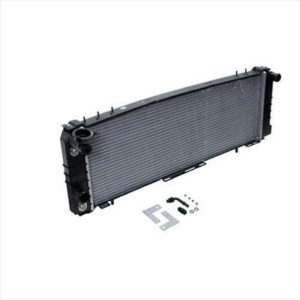
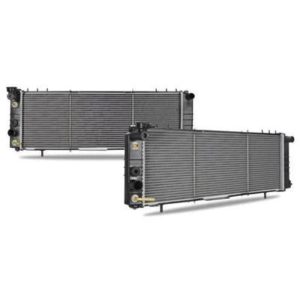
Omix-ADA Replacement Single Core Radiator for 4.0L 6 Cylinder Engine with Automatic Transmission – 17101.21
 CJ Cooling, Cooling Parts, Replacement Parts
Omix-ADA Replacement Single Core Radiator for 4.0L 6 Cylinder Engine with Automatic Transmission – 17101.21
- Replacement radiator for 4.0L 6 cylinder engines with automatic transmission
- Part number 17101.21, Omix-Ada
- Fits 1991–2000 Jeep Cherokee (XJ)
- Title says single core; specifications list two cores
SKU: OAI17101.21 -
-
-
-
-
CJ Cooling, Cooling Parts, Replacement Parts
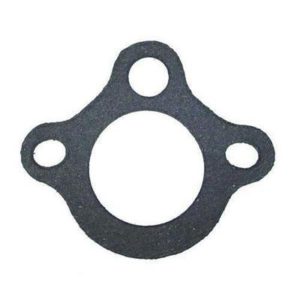
Crown Automotive Thermostat Housing Gasket – 53021051
- Fits 1993–1998 Jeep Grand Cherokee (ZJ) per the manufacturer fitment list
- Paper thermostat housing gasket for V8 engines
- Part number 53021051 (Crown Automotive CRO53021051)
- Direct fit replacement
SKU: CRO53021051 -
-
CJ Cooling, Cooling Parts, Replacement Parts
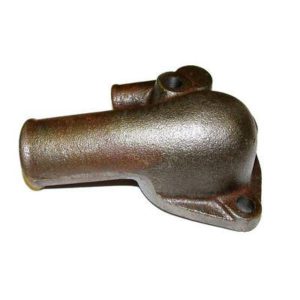
Crown Automotive Thermostat and Housing – 53010552K
- Thermostat and housing kit, part number CRO53010552K
- For 2.4L 4-cylinder engines
- Includes thermostat housing, thermostat and gasket
- Fitment list covers 2002 and 2004–2005 Jeep Liberty (KJ) and 2003–2006 Wrangler (TJ)
SKU: CRO53010552K
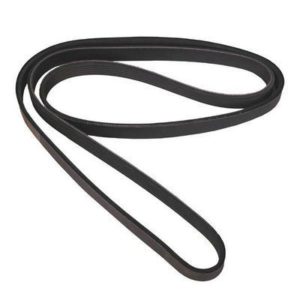



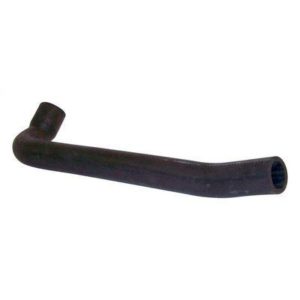


Cooling parts for older CJs
Classic Jeep CJs ran four, six, and V8 engines, and their cooling systems have aged. This category pulls together the parts for a cooling system refresh: radiators, water pumps, thermostats and housings, gaskets, hoses, and drive belts with idler pulleys. Condition matters more than age, but rubber and soft parts often fail first.
Where to start
- Overheating: check the thermostat, radiator condition, fan, and hoses before replacing the water pump.
- Coolant leaks: inspect the radiator seams, hoses, thermostat housing gasket, and pump weep hole.
- Belt noise: a worn serpentine belt or idler pulley can squeal or fail, which stops the water pump.
- Rebuild or restoration: replace the entire cooling set at once so you only drain the system one time.
Specs to compare
Radiators are listed by core count and material. A single core copper-brass or aluminum radiator may be adequate for a stock engine. Listings may mention the engine, such as the 4.0L six cylinder, and whether the vehicle has an automatic transmission, since that decides the transmission cooler fittings. For water pumps, compare the engine displacement and whether the setup uses a serpentine belt. Thermostats vary by temperature rating, so match the factory temperature unless you have a reason to change it. Belts and pulleys depend on A/C and power steering options.
Installation notes
Do cooling work only on a cold engine, drain and capture the old coolant, and dispose of it responsibly. Use new gaskets and clean the mating surfaces. Torque water pump and thermostat housing bolts to the manufacturer specification to avoid leaks or warping. Refill with the recommended coolant, bleed air from the system, and watch temperature and leaks on the first drives. Flush the system when replacing a radiator.
Confirming fitment
CJ parts vary by year, engine, transmission, and options such as A/C. Confirm fitment for your exact year, make, model, and engine, and check the manufacturer specifications and the notes in each product listing.
Document what you replace. Write down part numbers and the date on the service record so you know when to inspect them next. For a vehicle that sees low-speed trail use in warm weather, checking the cooling system twice a year is cheap insurance against being stranded.
Choosing between original-style and upgraded parts
For a stock-style CJ, a direct replacement radiator is usually enough if it matches the original core size and the engine is unmodified. If you added a larger engine, air conditioning, bigger tires, or you spend time idling on trails, a higher capacity aluminum radiator may be worthwhile. Whichever you choose, check the mounting locations, hose outlet positions, and the fan shroud fit. Replace the radiator cap, since it keeps the system at the proper pressure and a weak cap lowers the boiling point. A fan clutch or electric fan in good working order matters as much as the radiator, so test that too. Also inspect the fan, fan clutch, and shroud for cracks or play, since airflow at idle is what keeps a stock CJ cool in traffic.
Popular CJ Cooling brands
CJ Cooling FAQ
What is the first thing to check if my CJ overheats?
Start with the basics: coolant level, thermostat operation, hoses, fan and shroud, and radiator condition. Replace parts that are failed or restricted. A pressure test can find hidden leaks.
Should I replace the thermostat with the water pump?
It is commonly done together since the system is already drained and the labor overlaps. Replace the thermostat gasket at the same time to avoid a new leak.
Do radiators differ by transmission?
Yes. Automatic transmission vehicles need a radiator with transmission cooler connections, and listings often note this in the title. Choose the version that matches your transmission, and confirm the engine as well.
How do I know which belt fits?
Belt length depends on the engine, A/C, and power steering. Product notes list details such as engine size and whether A/C is present. Compare these with your engine and check the specifications.