
Performance Electronics
Showing 37–48 of 60 resultsSorted by popularity
-
-
Performance Modules
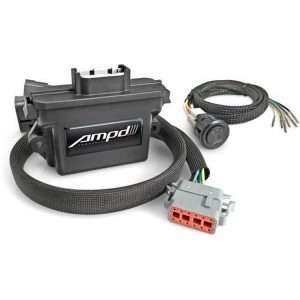
Superchips Amp’D Throttle Booster with Power Switch – 28867-D
- Fits 2007–2018 Chevrolet Silverado and GMC Sierra 2500 HD and 3500 HD
- Throttle sensitivity booster with power switch
- Six modes, from Stock to 400% Wow Mode
- Plug-and-play on the stock connections
- Part number 28867-D
SKU: SCI28867-D -
Engine Control Module PROM
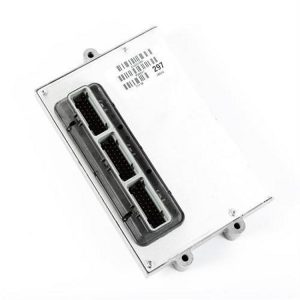
Omix-ADA Engine Control Module – 56041297
- Fits 1994–1996 Jeep Cherokee (XJ) Classic, Country, SE and Sport models
- Omix-ADA engine control module, part number 56041297
- Intended for 4.0L six-cylinder engines with manual transmissions
- UPC 804314106188, direct fit replacement
SKU: OAI56041297 -
-
Performance Modules
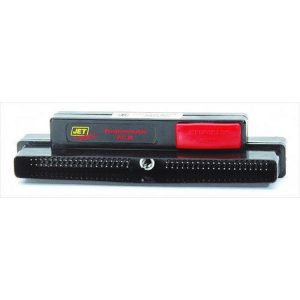
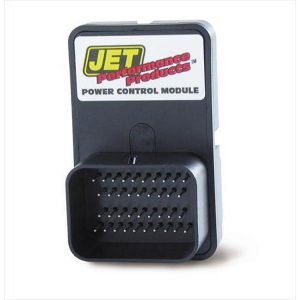
Jet Performance Products Power Control Module Stage 2 – 91202S
- Jet Performance Products power control module, Stage 2, part number 91202S
- Plug-in module that attaches to the vehicle computer externally
- Can add up to 30 horsepower
- Adjusts ignition spark advance, air to fuel ratios and transmission shifting
- One tune, not included with the module
SKU: JET91202S -
-
-
-
Performance Modules
Jet Performance Products Stage 2 Power Control Module – 29541S
- Fits 1995 Chevrolet S10 and 1995 GMC Sonoma per the manufacturer list
- Stage 2 plug-in power control module, up to 30 horsepower
- One tune, not selectable on the fly; monitor not included
- 49-state legal; California use limited to race purposes
- Part number 29541S
SKU: JET29541S -
Performance Modules
Jet Performance Products 6 Pak Computer Chip – 2950556P
- Jet Performance Products 6 Pak computer chip, part number 2950556P, UPC 64330025232
- Fits 1995 Chevrolet and GMC C1500, C2500 and K2500 trucks
- Six power level settings, selectable on the fly
- Listed with electronic overdrive; 50 State legal
SKU: JET2950556P -
Performance Modules
Jet Performance Products PlugNPlay Stage 1 Performance Module – 20705
- Jet PlugNPlay Stage 1 performance module, part number 20705, UPC 64330039284
- Fits 2007 Chevrolet Colorado, GMC Canyon, Hummer H3 and Isuzu i-290 and i-370
- Plugs into the vehicle computer externally; one tune included
- Jet describes gains of up to 30 horsepower; 50 State legal
SKU: JET20705 -
Engine Control Module PROM
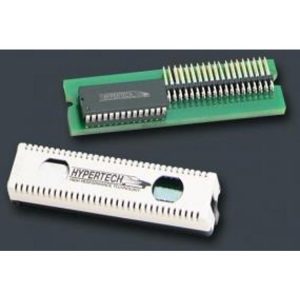
Hypertech Street Runner Power Chip – 129011
- Covers 1989 Chevrolet and GMC C1500 and C2500 trucks
- Hypertech Street Runner Power Chip, part number 129011, UPC 759609010742
- Single power level, approximate power gains of 10-20%
- No rev limiter, top speed or automatic transmission adjustment
SKU: HYP129011






What these products do
Modern engines are controlled by a computer that sets fuel delivery, spark timing and often shift points. A programmer or tuner connects to the vehicle diagnostic port and changes some of those settings or loads a preset tune. A performance module sits between sensors and the computer to adjust signals. Speedometer calibrators correct speed and mileage readings after larger tires or a different axle ratio. Older vehicles may use a replacement computer chip instead.
Features to compare
- Tune levels: Some units have several power level settings, and some allow changing levels on the fly.
- Fuel type: Tunes are often written for a specific octane, so use the fuel the instructions call for.
- Return to stock: Most programmers store the original calibration so you can restore it before dealer service.
- Extras: Gauges, diagnostic trouble code reading and data logging are common features.
- Calibration functions: Tire size, axle ratio and speedometer correction help keep readings accurate after modifications.
Compatibility and expectations
These products are specific to engine, model year and sometimes transmission, so confirm fitment for your exact year, make and model and check the manufacturer's specifications. Gains vary with engine, fuel and conditions, and claims on a package are best treated as estimates rather than guarantees. Changing engine calibration can affect warranty coverage, so ask the manufacturer or a dealer before installing. Some modifications are not legal for use on public roads in all states, particularly where emissions inspections apply, so check local regulations.
Installation notes
Most handheld programmers plug into the diagnostic port and walk you through a process of backing up the stock tune and writing the new one. Use a stable power source, since interrupted programming can cause problems. Do not unplug during the process, keep the battery charged and follow the instructions exactly. Afterward, watch for warning lights, odd shifting or knocking, and return the vehicle to stock if anything seems wrong.
Keep a record of the stock calibration file and any settings you change, along with the date and fuel used. If a check engine light appears after programming, read the codes before assuming the tune is at fault, since unrelated issues can surface at the same time. A shop with scan tools can help diagnose them.
Safe use and common mistakes
Before installing, check the battery and charging system, because low voltage during programming is a common cause of failure. Make sure the vehicle has no stored fault codes you are not aware of, and fix any mechanical problems first, since a tune cannot compensate for a misfire or a leaking intake. Keep the stock file and any receipts or serial numbers in a safe place.
- Use the recommended fuel grade, since tunes written for premium fuel can cause knock on lower octane.
- Do not stack multiple tuning devices that change the same signals.
- Re-enter tire size and axle ratio after any change in either.
Towing and heavy loads increase engine and transmission heat, so watch temperatures after any change to power or shift behavior. If the vehicle does not feel right, return it to the stock calibration and have it inspected.
Popular Performance Electronics brands
- Jet Performance Products (19)
- Hypertech (10)
- Superchips (9)
- Edge (6)
- Banks Power (5)
- Bully Dog (4)
- Afe Power (4)
- Rough Country (3)
- Bd Diesel (3)
- Auto Meter (1)
- Omix-Ada (1)
- Diablosport (1)
Shop Performance Electronics by type
- Performance Modules (20)
- Computer Programmers (18)
- Tuner and Multi-Gauge Accessories (9)
- Engine Control Module PROM (5)
- Computer Chips & Performance ECM (1)
Performance Electronics FAQ
Will a performance programmer void my warranty?
It can affect coverage for related parts, depending on the manufacturer and the situation. Ask the vehicle manufacturer or dealer before installing, and check whether the programmer can restore the stock calibration.
Do I need a speedometer calibrator after installing larger tires?
Often yes. Larger tires make the speedometer and odometer read low. A calibrator or programmer with a tire size function can correct them, which also helps accurate shifting on some vehicles.
Are performance chips and programmers emissions legal?
That depends on the product and your state. Some are not approved for use on public roads in places with emissions rules. Check the manufacturer's notes and your local regulations.
Can I go back to the stock tune?
Most programmers save the original calibration and can restore it. Make sure you complete the backup step before flashing a new tune, and keep the device so you can undo the change later.