
Gas Caps and Filler Assemblies includes locking and non-locking fuel caps and filler parts for Jeeps and other 4x4s. Omix-Ada, Crown Automotive, Drake and Rugged Ridge provide the factory-style caps and billet aluminum covers listed here. Check each product page for part numbers and fitment details, then compare the products below. This branch sits within Performance Parts.
Gas Caps and Filler Assemblies
Showing 1–12 of 21 resultsSorted by popularity
-
-
-
Gas Caps and Filler Assemblies
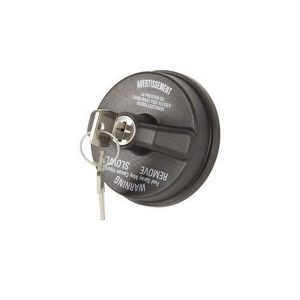
Omix-ADA Locking Gas Cap – 17726.16
- Twist-on locking gas cap with two keys included
- Twist-on locking gas cap for 2004 to 2006 Wrangler LJ Unlimited and 2007 to 2018 Wrangler JK
- Fits 2 and 4-door models per the short description
- Omix-Ada part number 17726.16
SKU: OAI17726.16 -
-
Gas Caps and Filler Assemblies
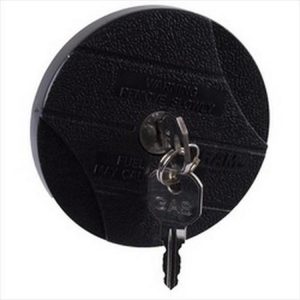
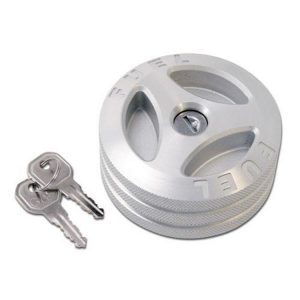
Drake Fuel Cap – JP-190025-BL
- Billet aluminum full replacement fuel cap, fully locking
- Fits many 1995 to 2009 vehicles, including Jeep Cherokee XJ and Wrangler TJ
- Chevrolet, GMC, Ford, Dodge, Toyota and Land Rover models also listed
- Part number JP-190025-BL
SKU: DRKJP-190025-BL -
-
Gas Caps and Filler Assemblies
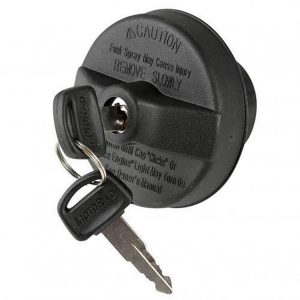
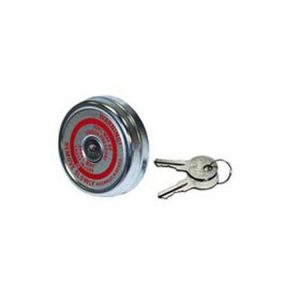
Crown Automotive Locking Fuel Cap – 68030940AA
- Locking fuel cap with uncoded lock cylinder and tether
- Jeep fitment includes Wrangler TJ and JK, Grand Cherokee WJ and WK, Liberty KJ and Patriot
- Dodge, Ram, Chrysler Pacifica and Mitsubishi Raider models also listed
- Crown Automotive part number 68030940AA
SKU: CRO68030940AA -
Gas Caps and Filler Assemblies
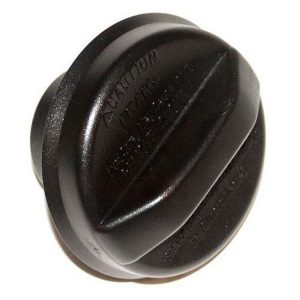
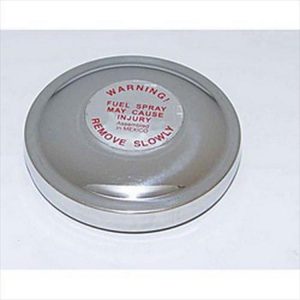
Crown Automotive Gas Cap – 52102464AA
- Non-locking gas cap for 2007 to 2018 Jeep Wrangler JK and other listed Jeep models
- Jeep entries also include Grand Cherokee WK, Compass, Patriot and Liberty KJ
- Dodge, Ram, Chrysler and Mitsubishi models also listed
- Crown Automotive part number 52102464AA
SKU: CRO52102464AA








What a fuel cap does
A fuel cap seals the filler neck to keep fuel and vapors in and debris out. On modern vehicles, it is part of the evaporative emissions system, and a loose or damaged cap can trigger a check engine light. Older vehicles may use a vented cap that allows air in as fuel is drawn out.
Listings include locking caps, non-locking caps, brushed aluminum caps and drop-in replacements for factory parts.
Cap types
- Locking caps use a key to deter fuel theft and tampering.
- Non-locking caps are the simplest replacements.
- Billet or aluminum caps add a styled look for custom builds.
- Filler assemblies replace the neck or door when corroded or damaged.
Choosing the right cap
Match the cap to the vehicle and fuel system. Thread style, diameter, venting and whether the system is vented or sealed all matter, and a wrong cap can cause pressure problems or leaks. Confirm fitment for your exact year, make and model and check the manufacturer's specifications.
Check whether a locking cap comes with keys and whether the lock is keyed alike with other locks. Gaskets wear out, so check the seal if a cap is old but otherwise intact.
Care and installation
Installation is a simple twist-on. Turn it until it clicks or seats fully, as the vehicle's instructions specify. A cap that is not fully tightened is a common cause of evaporative emissions codes.
Keep the filler neck clean, and inspect the cap's rubber seal for cracks. Never use a cap that does not suit your fuel type or vehicle. Handle fuel carefully, away from ignition sources, and replace a damaged filler neck promptly, since leaks present a fire hazard.
Further checks and care
Questions to ask before you choose
Decide whether theft protection matters for where you park, and whether you prefer a factory look or a styled cap. Check that your vehicle's fuel door or filler design allows a larger billet cap to clear it. If a warning light came on after a fill-up, inspect the old cap's seal and threads first. Keep a spare key in a safe place if you choose a locking cap.
Measuring and confirming fitment
Caps are matched by thread type, neck diameter and venting. Compare the old cap with the listing, and check for a tether or a lanyard attachment. Vehicles with a capless filler system do not use a cap at all. For diesel and gasoline applications, ensure the cap is made for the correct fuel type, since vapor handling differs. Note the vehicle's model year range, because filler neck designs changed over time.
Materials and maintenance
Caps are made from plastic, stamped steel or billet aluminum, with a rubber or fluoroelastomer gasket. Locking caps include a key cylinder, which should be lightly lubricated with a graphite or dry lubricant, not oil. Wipe the neck and the gasket before closing the cap, because dirt can prevent a proper seal. Replace cracked or flattened gaskets and any cap that no longer clicks or tightens securely.
Popular Gas Caps and Filler Assemblies brands
Gas Caps and Filler Assemblies FAQ
Can a bad gas cap turn on the check engine light?
Yes. A loose, missing or leaking cap can cause an evaporative emissions code on many vehicles. Tighten or replace it and, if the light persists, have the codes read to see whether the cap was the cause.
Are locking gas caps worth it?
They deter casual fuel theft and tampering, which can matter for vehicles parked in public places. Keep a spare key available and test the lock occasionally.
Do all caps fit all vehicles?
No. Thread style, size and venting vary between models. Confirm the cap lists your exact year, make and model, and compare with the manufacturer's specifications.