
Battery & Battery Accessories
Showing 37–48 of 78 resultsSorted by popularity
-
Battery & Battery Accessories
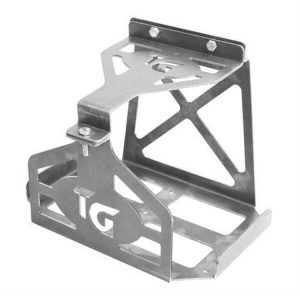
Trail Gear Diehard/Odyssey Battery Box (Bare Steel) – 301347-KIT
- Battery box for Diehard Platinum and Odyssey DT 34/78 size batteries
- 1/8 inch thick steel, shipped unpainted in bare steel finish
- Welded or bolted mounting with 9 holes in the bottom
- Top lifts off after removing three bolts
- Part number 301347-KIT
SKU: TGI301347-KIT -
Battery & Battery Accessories

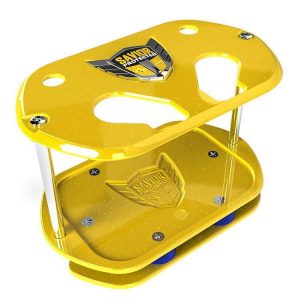
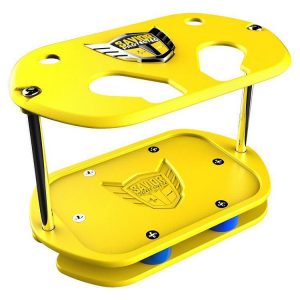
Savior Products Show Case Optima 34 Battery Tray (Yellow Sparkle) – SC-O34-Y
 Battery & Battery Accessories
Savior Products Show Case Optima 34 Battery Tray (Yellow Sparkle) – SC-O34-Y
- Yellow sparkle Show Case tray sized for the Optima 34 battery
- Part number SC-O34-Y with UPC 96144014041
- Base holds six ShockStop mounts against shock and vibration
- Universal fit as listed; match the tray to your battery
SKU: SAVSC-O34-Y -
Battery & Battery Accessories
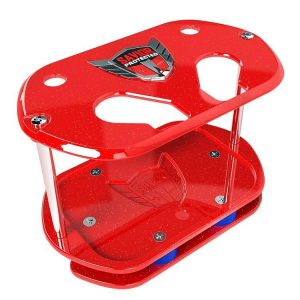
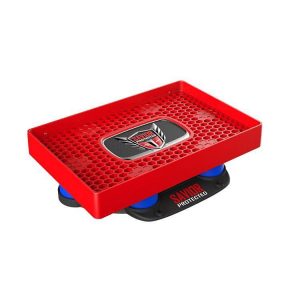
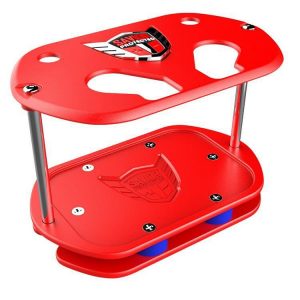
Savior Products Show Case Optima 34 Battery Tray (Red Sparkle) – SC-O34-R
 Battery & Battery Accessories
Savior Products Show Case Optima 34 Battery Tray (Red Sparkle) – SC-O34-R
- Savior Products Show Case Optima 34 battery tray, part number SC-O34-R
- Six ShockStop mounts integrated into the base help guard against shock and vibration
- Red sparkle high-end powder coat finish
- Universal fit, no specific vehicles named
SKU: SAVSC-O34-R -
Battery & Battery Accessories
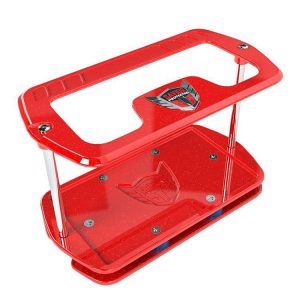
Savior Products Show Case Series 27 Battery Tray (Red Sparkle) – SC-27-R
 Battery & Battery Accessories
Savior Products Show Case Series 27 Battery Tray (Red Sparkle) – SC-27-R
- Savior Products Show Case Series 27 battery tray in red sparkle, part SC-27-R
- High-end sparkle powder coat finish
- 6 ShockStop mounts built into the base
- No vehicle fitment listed; marked Universal Fit
SKU: SAVSC-27-R -
Battery & Battery Accessories
Savior Products JK Factory Battery Mount – SAVIOR-MOUNT-JW07
- Installs in the OEM battery tray on Wrangler JK models
- Fits 2007–2017 Jeep Wrangler (JK) and 2018 Jeep Wrangler (JL) Rubicon and Sport
- Pre-threaded inserts, zero modifications required
- Compatible with all Savior battery cases
- Part number SAVIOR-MOUNT-JW07
SKU: SAVSAVIOR-MOUNT-JW07 -
Battery & Battery Accessories
Savior Products Junior Battery Tray (Red) – SAVIOR-JR
- Savior Products Junior battery tray in red, part SAVIOR-JR
- 6 ShockStop mounts in the base for shock and vibration protection
- FlowStop tray isolates and captures incidental acid spillage
- No vehicle fitment listed; marked Universal Fit
SKU: SAVSAVIOR-JR -
Battery & Battery Accessories
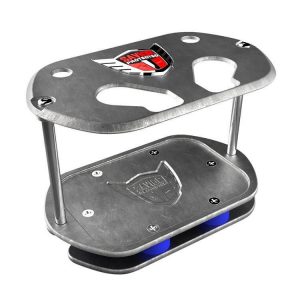
Savior Products Pro-Lite Case Optima 34 Battery Tray (Unpainted) – PL-O34-U
 Battery & Battery Accessories
Savior Products Pro-Lite Case Optima 34 Battery Tray (Unpainted) – PL-O34-U
- Savior Products Pro-Lite Case Optima 34 battery tray, part PL-O34-U
- Unpainted die-cast tray with a ready-to-paint finish
- 6 ShockStop mounts integrated into the base
- No vehicle fitment listed; marked Universal Fit
SKU: SAVPL-O34-U -
Battery & Battery Accessories
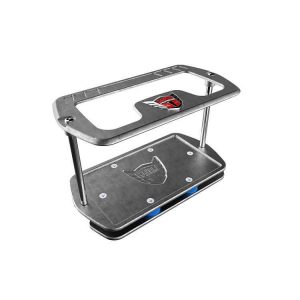
Savior Products Pro-Lite Case Series 27 Battery Tray (Unpainted) – PL-27-U
 Battery & Battery Accessories
Savior Products Pro-Lite Case Series 27 Battery Tray (Unpainted) – PL-27-U
- Savior Products Pro-Lite Case Series 27 battery tray, part PL-27-U
- Unpainted die-cast case with a ready-to-paint finish
- 6 ShockStop mounts built into the base for shock and vibration protection
- No vehicle fitment listed; marked Universal Fit
SKU: SAVPL-27-U -
Battery & Battery Accessories
Savior Products Pro Case Optima 34 Battery Tray (Yellow) – PC-O34-R
- Savior Products PC-O34-Y yellow Pro Case battery tray for the Optima 34 battery
- Six ShockStop mounts in the base and a wrinkle powder coat finish
- Universal fit per Savior; no vehicle named
SKU: SAVPC-O34-Y -
-
-
Battery & Battery Accessories
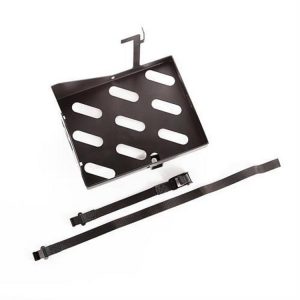
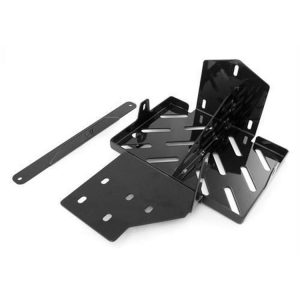
Rugged Ridge Dual Battery Tray (Black) – 11214.53
- Rugged Ridge dual battery tray, part 11214.53, black powder coat finish
- Listed fitment: 2007–2011 Jeep Wrangler (JK), 2-door and 4-door models
- Mounts two batteries in place of the factory single battery tray
- Mounting kit only: suggested wiring diagram included, wiring not included
SKU: RUG11214.53



What you will find
This category covers the battery itself and the parts that help it work reliably off-road: battery boxes, mounting cups and holders, dual-battery management gear, and boots and covers that protect connections. Some items are vehicle-specific, while others are universal-fit.
Choosing a battery
- Group size sets the case dimensions and terminal layout. Match the number your vehicle uses, because a battery that does not fit the tray will shift.
- Cold cranking amps (CCA) measure starting power in cold conditions. Check the vehicle manufacturer's minimum.
- Reserve capacity indicates how long the battery can run accessories if the charging system fails.
- Chemistry: flooded lead-acid batteries are common and economical, while AGM batteries are sealed, resist vibration and tolerate being mounted in different positions.
Vibration and off-road use
Rough trails shake batteries hard. Vibration can damage plates inside and loosen terminals. AGM designs resist this better, and a firm hold-down is essential. Check that the clamp or cup holds the battery tightly, and use boots or covers to keep dust and moisture away from terminals.
Dual-battery and accessory power
Winches, fridges, lights and communication gear drain a starter battery quickly. A dual-battery system adds a second battery for accessories and uses an isolator or DC-DC charger so you can still start the engine. Wiring size and fusing matter, so follow the manufacturer's installation guidance. Look for fuses close to the battery and proper cable gauge for the load.
Fitment and installation tips
- Check the battery tray size and hood clearance for your year, make and model.
- Disconnect the negative terminal first and reconnect it last.
- Clean the terminals, and apply the manufacturer's torque to clamps.
- Recycle old batteries at a core return location, because lead-acid batteries are hazardous waste.
- Batteries release gas and can be heavy, so wear eye protection and lift safely.
Confirm fitment and electrical specifications before choosing, particularly for universal-fit accessories.
Maintenance and mistakes to avoid
Test the battery's voltage with a multimeter. A fully charged 12-volt battery rests at roughly 12.6 volts or a little above, and a reading much lower suggests a weak battery or a charging problem. With the engine running, the charging system should show roughly 13.5 to 14.8 volts. Corroded terminals show up as white or blue crust and should be cleaned with a baking soda and water solution, then protected.
- Do not use a fast charger on an AGM battery unless the maker allows it. Use a charger with an AGM or battery-type setting.
- Do not leave a battery sitting discharged, since sulfation can permanently reduce capacity.
- Check the hold-down bolts and tray for rust.
- Keep metal tools away from both terminals at once to avoid shorts.
Choose cable and fuse sizes carefully when adding accessories, and place a fuse near the battery on any new positive lead. If you add a second battery, use batteries of the same type and similar age where the isolator guidelines recommend it.
Finally, make sure the battery vent path, if the case has one, is routed as the manufacturer specifies, and that nothing metal can touch the terminals when the hood closes.
Popular Battery & Battery Accessories brands
- Odyssey Batteries (30)
- Savior Products (9)
- Crown Automotive (7)
- Redarc (7)
- Rugged Ridge (5)
- Omix-Ada (5)
- Artec Industries (2)
- Trail Gear (2)
- Painless Wiring (2)
- Mountain Off Road Enterprises (2)
- Drake (1)
- Smittybilt (1)
Battery & Battery Accessories FAQ
What is an AGM battery?
AGM stands for absorbed glass mat. The electrolyte is held in fiberglass mats inside a sealed case, so it does not spill and resists vibration. AGM batteries are commonly used in off-road vehicles and with accessories.
How do I find my battery group size?
Check the label on your current battery, the owner's manual or the manufacturer's specifications. The group size gives the case dimensions and terminal positions, and the new battery should match it for a secure fit.
Why use a dual-battery system?
It keeps accessory loads like a winch, fridge or lights from draining the starting battery. An isolator or DC-DC charger lets the second battery charge while driving and keeps your starter battery ready to crank.
How long should a vehicle battery last?
Many last roughly three to five years, depending on climate, vibration, charging system health and use. Hot weather and heavy accessory loads shorten life. Have the battery tested if the engine cranks slowly.