
Tents and Awnings
Showing 25–36 of 53 resultsSorted by popularity
-
Tents and Awnings
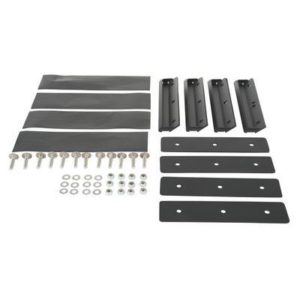
Rhino-Rack False Gutter Set – 739A
- Rhino-Rack False Gutter Set, part RHO739A, for pickups with a cap or topper and no side gutters
- Mounts to the side of the cap or topper
- Gives gutter mount legs and bars a fixing point at cab-bar height
- Recommended with Rhino-Rack RL gutter-mount legs
SKU: RHO739A -
Tents and Awnings
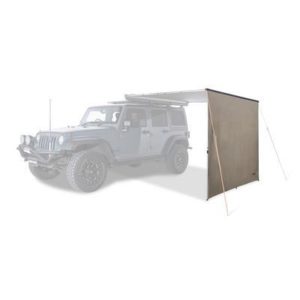
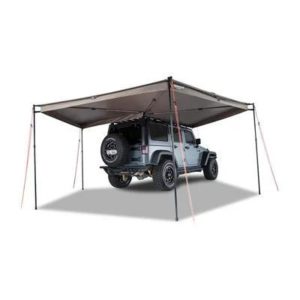
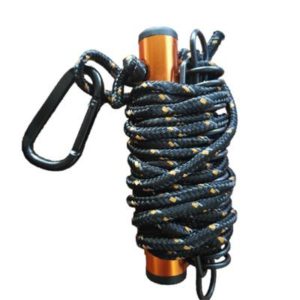
Rhino-Rack Batwing/Sunseeker 2.5m Awning Extension – 31101
- Rhino-Rack USA awning extension, part number RHO31101
- Adds 2m of shade for Batwing and Sunseeker 2.5 awnings
- Rip-stop polycotton canvas, UV-protected and waterproof
- Includes telescopic poles, ropes, pegs and a travel bag
SKU: RHO31101 -
-
-
Truck & SUV Tents
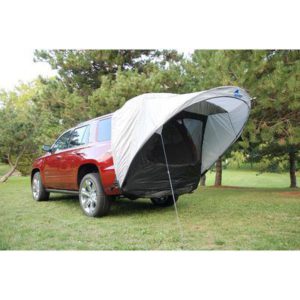
Napier Sportz Cove Tent – Small/Mid Size – 61000
- Napier Sportz Cove awning, Small/Mid Size, part number NAP61000
- Designed to connect to the rear of mid-to-large CUVs and SUVs
- Lightweight, compact design for shade and shelter
- Suited to road trips, beach days and outdoor gatherings
SKU: NAP61000 -
-
-
Roof Top Tents
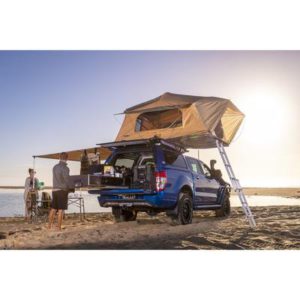
ARB Flinders Rooftop Tent – 803300A
- ARB Flinders Rooftop Tent, part number 803300A, sleeps two adults
- Bed space eight feet long by four and a half feet wide
- Packs down to less than eight inches in height
- Five large zippered windows and an integrated vent
- Fitment not listed
SKU: ARB803300A -
Tents and Awnings
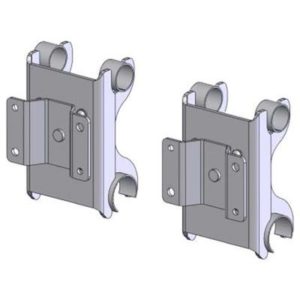
ARB Awning Quick Release Bracket Kit 2 – 813407
- ARB Awning Quick Release Bracket Kit 2, part number ARB813407
- Universal Fit; mounts ARB awnings to ARB roof racks
- One-bolt configuration; no drilling in most cases
- Built from 3mm powder-coated steel, zinc-plated
- Lets an awning move between sides of the vehicle or to the rear
SKU: ARB813407 -
Tents and Awnings
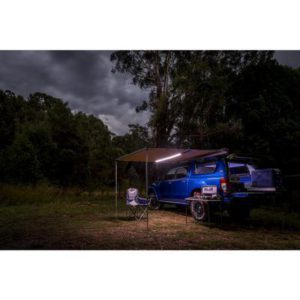
ARB Awning Light Strip – 814305
- ARB Awning Light Strip, part number ARB814305
- Universal Fit; designed for use with an ARB awning
- Slimline dimmable light with white, amber or mixed modes
- 12V CIG plug on a four-metre insulated, waterproof cable
- Supplied bag for cables; rolls up in the awning when packed
SKU: ARB814305 -
Roof Top Tents
Smittybilt Overlander Roof Top Tent – 2783
- Overlander roof top tent in Coyote tan, part number 2783
- Heavy-duty 600D rip stop polyester; fully waterproof
- Opens in seconds; 60 mm high-density foam mattress
- Sleeps two to three; mounting brackets included
- Load capacity of 661 pounds
SKU: S/B2783






Awnings and shades
An awning attaches to a roof rack or bar system and unfolds to give shade or rain cover along the side or rear of the vehicle. Common formats include fold-out and quarter-round designs, and accessory walls can enclose the space for wind and bug protection. Check the covered area in dimensions and consider the wind: an awning is a sail, and most makers advise packing it away or lowering it in strong gusts.
Roof top tents
Roof top tents mount on a rack or platform and open into a sleeping space, either as a folding hard shell or a soft shell with a ladder. They keep you off the ground and are quick to set up, but they add weight on the roof, raise the center of gravity and add wind drag. Look for the tent's weight, the maximum occupants listed and whether the rack and mounting hardware suit your vehicle.
- Know your rack's dynamic and static ratings and your vehicle's roof limit.
- Check the mattress thickness and ventilation features.
- Look at fabric and waterproofing details for your climate.
- Insulator or annex accessories are usually sold separately.
Ground and vehicle-based tents
Truck bed tents and SUV tents use the vehicle itself for part of the structure. They tend to be lighter and simpler than roof top tents, and they keep your vehicle's roof load at zero. Confirm that the tent matches your bed length or vehicle size.
Fitment and use
Many awnings and tents are universal fit but depend on compatible mounts. Check the bracket pattern of your rack against the product details, and confirm fitment for your exact year, make and model before assuming anything. Practice setup before leaving. Never use a stove or flame inside or near the tent fabric, secure the awning legs with guy lines or stakes when staying in an area, and re-tighten mounting hardware after the first drive, since vibration can loosen it. Dry canvas fully before storing to avoid mildew.
When choosing, think about how often you move camp. A tent that takes ten minutes to pack suits one-night stops, while a larger annex or awning enclosure makes more sense for a base camp. Also consider the sleeping capacity honestly, since listed occupant counts assume little gear inside, and think about where you will store a wet tent after a rainy trip.
Weather is the main enemy of any shelter. Before a trip, check the forecast and be ready to take down the awning quickly, since sudden gusts can bend frames or tear fabric. Use guy lines and stakes whenever you plan to leave the awning up, and keep spare stakes for soft sand. Seam sealer and tent wax can refresh worn waterproofing on older fabric. Condensation inside a tent is normal, but good ventilation reduces it, so open vents even in cool weather. Store fabric clean and dry, wipe the poles and zippers, and use zipper lubricant if a pull begins to stick. When parking for the night, choose level ground and avoid dry washes, which can flood, and low spots under dead branches. These habits protect your investment in gear and keep camp comfortable.
Popular Tents and Awnings brands
- Smittybilt (16)
- ARB 4x4 Accessories (13)
- Rhino-Rack USA (9)
- Rightline Gear (8)
- Thule (4)
- Napier Outdoors (3)
Shop Tents and Awnings by type
- Roof Top Tents (23)
- Truck & SUV Tents (11)
- Annexes (2)
Tents and Awnings FAQ
What is the difference between an awning and a tent?
An awning gives shade or rain cover along the vehicle and is open or partially enclosed. A tent is a full sleeping shelter. Many travelers use both, and some awnings accept wall panels.
Will a roof top tent fit my vehicle?
It depends on your rack, the roof's load limit and the tent's weight and mounting requirements. Check the dynamic and static ratings of the rack, and confirm fitment for your exact vehicle.
Can I drive with an awning open?
No. Awnings must be folded and secured before driving. Open ones catch wind and can fail or damage the rack or vehicle. In strong wind, stow the awning even when parked.
Do awnings fit any roof rack?
Many use universal brackets, but they need compatible bars or tracks. Check the bracket spacing and mounting pattern in the product details, and confirm your rack type before choosing.