
Seat Belt
Showing 13–24 of 43 resultsSorted by popularity
-
-
-
Seat Belt
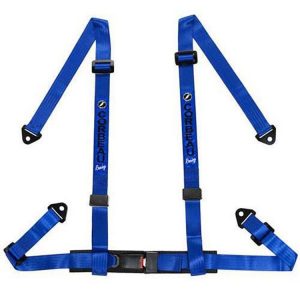
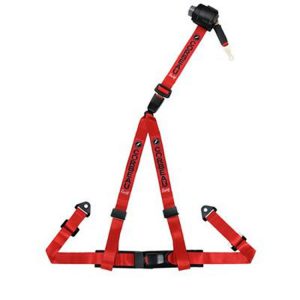
Corbeau 2 Inch Lap and 4-Point Harness Belt Bolt-In (Blue) – 44005B
- Blue 2 inch lap and 4-point harness belt, bolt-in
- Corbeau part number 44005B, UPC 70000359289
- Pressure reducing waist pads and push button release buckle
- Optional double release rear buckle for rear seat access
- Universal fit per the manufacturer
SKU: CBU44005B -
-
Seat Belt
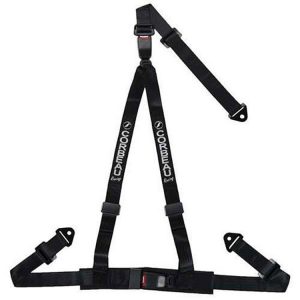
Corbeau 2 Inch 3-Point Lap and Harness Belt Bolt-In (Black) – 43201B
- Bolt-in 3-point lap and harness belt, 2 inch, black
- Corbeau part number 43201B, UPC 70000359282
- Pressure reducing waist pads and push button release buckle
- Double release rear buckle option for rear seat access
- Universal fit per the manufacturer
SKU: CBU43201B -
Seat Belt
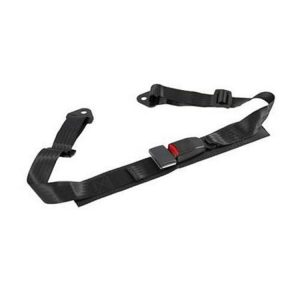
Beams Tri-Lock Rear Seat Belt in Military Green (Olive Drab) – TRIYJ9295RKT-52
- Fits the 1992–1995 Jeep Wrangler (YJ)
- Confirm the seat position before installing
- 4-point mount, three locking modes, part TRIYJ9295RKT-52
- Military green (olive drab) with a switchable retractor
SKU: BIITRIYJ9295RKT-52 -
Seat Belt
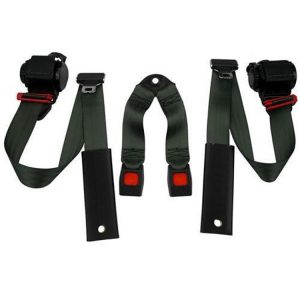
Beams Tri-Lock Front Seat Belt in Military Green (Olive Drab) – TRIYJ9295F-52
- Fits the 1992–1995 Jeep Wrangler (YJ)
- Three locking modes with a switchable retractor for off-road use
- 4-point mount, military green (olive drab) finish, part TRIYJ9295F-52
- Meets federal motor vehicle safety standards
SKU: BIITRIYJ9295F-52 -
-
-
Seat Belt

Beams Replacement 3-Point Shoulder Harness Front Seat Belt in Military Green (Olive Drab) – JPYJ8791F-52
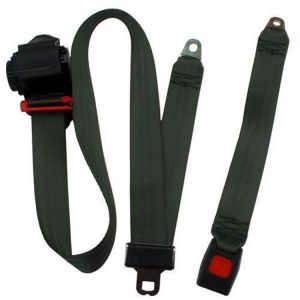 Seat Belt
Beams Replacement 3-Point Shoulder Harness Front Seat Belt in Military Green (Olive Drab) – JPYJ8791F-52
- Replacement retractable 3-point front seat belt in Military Green (Olive Drab)
- Fits the 1987–1991 Jeep Wrangler YJ front driver or passenger seat
- Part number JPYJ8791F-52, UPC 70000639251
- Designed to meet Federal Motor Vehicle Safety Standards; sold individually
SKU: BIIJPYJ8791F-52 -

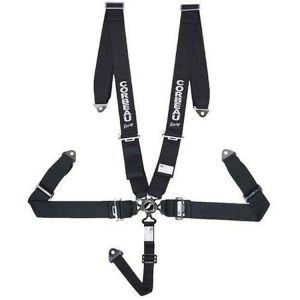
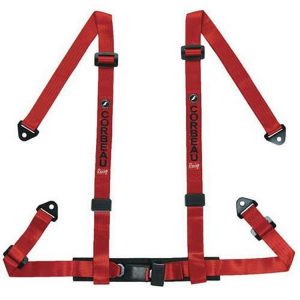
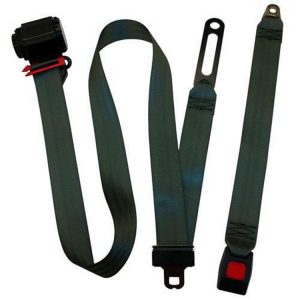
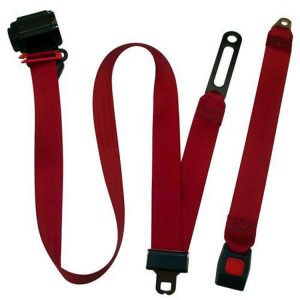
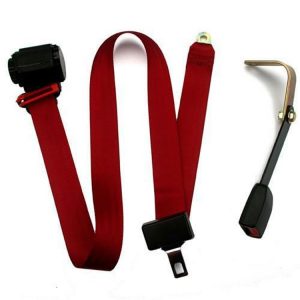
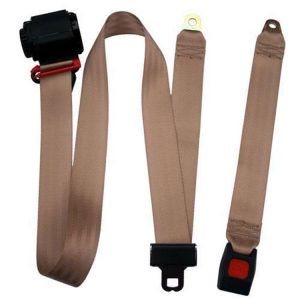
Replacement belts versus harnesses
Two different needs show up here. Replacement belts restore a worn, frayed or locked-up factory belt, usually with a retractor, belt and latch. Harnesses, like four-point and five-point units from Corbeau and MasterCraft Safety, are built for off-road or competition seats with a roll cage or harness bar.
A harness is not automatically a street upgrade. Many vehicles are designed around the factory three-point system with airbags, and race harnesses may not suit road use or your seats. Check local regulations and your vehicle's design.
Belt types you will see
Sample listings include:
- Retractable three-point shoulder belts for front seats, sold individually, often described as meeting Federal Motor Vehicle Safety Standards.
- Non-retractable lap belts, usually 60 inch rear belts for older vehicles with rear bench seats.
- Two, three, four and five-point harnesses in 2 inch and 3 inch webbing.
- Extension brackets that move the buckle receptacle for a better fit.
What to compare
Check position (front or rear, driver or passenger), the type of latch, and whether the kit includes the retractor, hardware and female buckle. Color matters for matching the interior; tan, black, red and olive drab are shown here. For harnesses, compare the number of points, webbing width, and whether the mounting is bolt-in, snap-in or wrap-around.
Harness mounting points must be anchored to structure that can take the load. Bolting a harness to a thin floor pan or a seat frame not intended for it is unsafe.
Installation and compatibility
Seat belts are a primary safety system. Install them exactly as the manufacturer directs, use the specified hardware and torque, and do not modify or reuse belts that have been in a crash, since the webbing and retractor may be damaged. If you are unsure about anchor points or the vehicle's restraint system, have a qualified shop do the work.
Confirm fitment for your exact year, make, model, cab and seat configuration, and check the manufacturer's specifications. Belts for older vehicles and newer models often use different buckle styles and sensor arrangements.
Keep the buckle and retractor clean and dry, and test the latch every so often. Dirt, sand and moisture from trail use can affect how smoothly a retractor spools and how reliably a latch engages, so a quick check is worthwhile.
Inspection and mistakes to avoid
A belt can look fine and still be past its life. Pull the webbing fully out and inspect its length for fraying, cuts, stiff or discolored areas and any sign of melting from friction. Let it retract and confirm it spools smoothly, then yank it sharply to check that the lock engages. Buckles should click firmly and release cleanly.
- Do not paint, bleach or dye webbing, because chemicals can weaken the fibers.
- Keep the belt from rubbing on sharp edges, such as a roll bar bracket or seat frame.
- Check that rear belts and extension brackets are compatible with the receptacle on the vehicle.
- If you are mixing a harness with factory seats, confirm that the seat is designed for it, since the load path differs from a standard belt.
Popular Seat Belt brands
- Beams Industries Inc (25)
- Corbeau (13)
- Omix-Ada (6)
- Crown Automotive (4)
- MasterCraft Safety (3)
- Bartact (1)
Seat Belt FAQ
Can I replace a seat belt myself?
Some owners do, since many replacements bolt into the original anchor points. Because belts are safety critical, follow the instructions, torque to specification and have a professional check the work if unsure.
Are racing harnesses legal for street use?
That varies. Rules differ by state and the harness may not work with your seats or airbags. Check local regulations and the vehicle manufacturer's guidance.
When should a seat belt be replaced?
Replace one that is frayed, cut, stiff, sticky in the retractor, or that has been in a collision. Sun damage and a buckle that does not latch cleanly are also reasons.
What does a three-point belt mean?
It anchors at three places, with a lap portion across the hips and a shoulder portion across the chest. It is the standard front-seat design on most modern vehicles.