
Racks
Showing 97–108 of 319 resultsSorted by popularity
-
Watersports Racks and Carriers
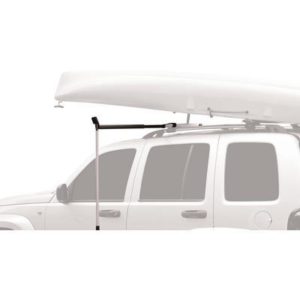
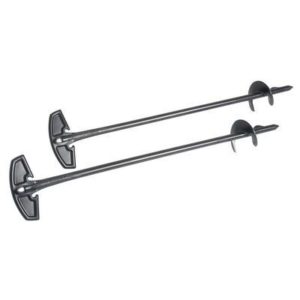
Rhino-Rack Universal Side Loader – RUSL
- Rhino-Rack Universal Side Loader RHORUSL for loading long gear onto roof racks
- Designed for one-person operation using a pivot action
- Suited to SUPs, longboards, kayaks, canoes and other long gear
- Universal fit; works with roof rack crossbars
SKU: RHORUSL -
-
-
Wintersport Racks and Carriers
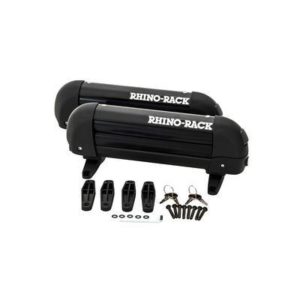
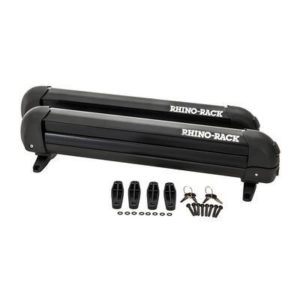
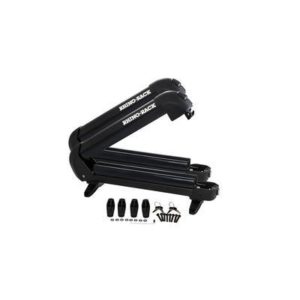
Rhino-Rack Ski and SnowboardCarrier – 574
- Roof mounted Rhino-Rack USA ski and snowboard carrier, part RHO574
- 500mm (19.5 inches) internal length
- Fits four sets of skis or two snowboards back to back
- Snaps shut and locks for protection
- Release mechanism opens and closes with gloved hands
SKU: RHO574 -
-
-

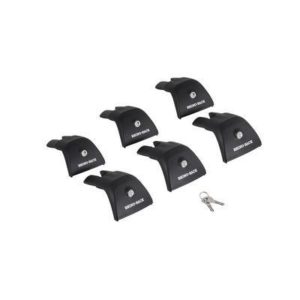
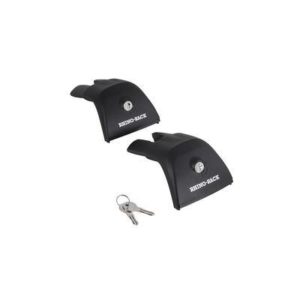
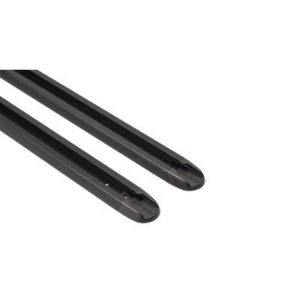
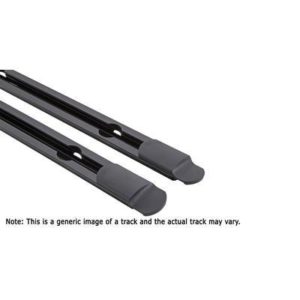
Types of racks
Racks come in a few basic designs, and the right one depends on what you carry. Load bar systems are two or more crossbars that span the roof and accept accessories such as bike mounts, kayak holders and cargo boxes. Basket racks add a rail-edged tray that holds loose gear, fuel cans and spare tires. Platform racks use a flat, slatted surface for tents, boards and awnings. Truck bed racks mount over the bed rails and raise the load above a cap or topper.
Fitment and mounting
Mounting method is the first thing to confirm. Some racks bolt to factory mounting points, some clamp to rain gutters, and others sit on a vehicle-specific rail or track system. The listings show whether a rack is direct fit for a particular vehicle or universal, in which case a separate mount kit or footpack is usually required. Always confirm fitment for your exact year, make, model and roof style, including whether you have a sunroof or a hardtop.
Understanding load ratings
Roof racks list two different limits. The dynamic rating is how much the rack can carry while the vehicle is moving. The static rating is higher and applies to a parked vehicle, for example with a rooftop tent. Your vehicle's roof also has its own maximum load listed in the owner's manual, and that figure is the real ceiling regardless of what the rack can handle. Keep in mind that the weight of the rack counts against it.
- Check the rack's dynamic and static ratings.
- Check the vehicle manufacturer's roof load limit.
- Subtract the rack and accessory weight from the usable total.
Practical considerations
A heavy roof load raises the center of gravity, so expect more body roll, longer braking distances and extra sensitivity to crosswinds. Distribute weight evenly, keep heavy items low and centered, and secure everything with rated straps. Low-profile designs reduce wind noise and fuel penalty. Check clearances for garages and overhead obstacles after installation.
Installation notes
Follow the manufacturer's torque specifications and re-check fasteners after the first few trips, since vibration can loosen hardware. Rack accessories are usually sold separately, so list out what you intend to carry before choosing a base system.
Before choosing, write down what you plan to carry and how often. A rack used daily for bikes has different needs than one that holds recovery boards and fuel on a few trips a year. Check the crossbar spacing against the accessories you want, because some carriers require a minimum or maximum distance between bars. Look for locking hardware if you leave gear on the roof unattended, and note that fairings or deflectors reduce wind noise on some bar systems. After installing, listen for whistles or rattles on the first drive, then adjust. Clean the rack periodically, especially after beach or winter driving, and touch up scratches in the coating to slow corrosion. Keep an eye on overhead clearance in parking structures and at drive-throughs, since a loaded rack adds real height.
Popular Racks brands
- Rhino-Rack USA (169)
- Thule (63)
- BajaRack (19)
- ARB 4x4 Accessories (13)
- Go Rhino (9)
- Smittybilt (9)
- TruXedo (7)
- Garvin Industries (5)
- TeraFlex (3)
- KC HiLites (3)
- Rightline Gear (2)
- Dee-Zee (2)
Shop Racks by type
- Mount Kits and Hardware (134)
- Cargo and Basket Racks (40)
- Load Bar Racks (33)
- Bike Racks and Carriers (28)
- Base and Platform Racks (25)
- Rack Accessories (17)
- Watersports Racks and Carriers (11)
- Wintersport Racks and Carriers (9)
- Rooftop Cargo Carriers (9)
- Contractor Racks (8)
- Cage Racks (4)
- Fish & Game Racks and Carriers (1)
Racks FAQ
What is the difference between a basket rack and load bars?
A basket rack is a rimmed tray that holds loose cargo directly. Load bars are crossbars that accept clamp-on accessories such as bike carriers, boxes and kayak mounts. Choose based on whether you carry bulky loose gear or specific equipment.
How much weight can I put on my roof rack?
The limit is the lower of the rack's dynamic rating and your vehicle's roof load limit in the owner's manual. Subtract the weight of the rack itself. Static ratings apply only when parked, such as with a rooftop tent.
Will a universal rack fit my vehicle?
Universal racks usually need a vehicle-specific mount kit or footpack to attach securely. Confirm fitment for your exact year, make and model, and check roof features like sunroofs, rails or a factory track system.
Do roof racks affect fuel economy?
Yes. A rack and cargo increase aerodynamic drag, which can reduce fuel economy, especially at highway speed. Low-profile bars and removing the rack when it is not needed help limit the effect.