




Rocker Knockers vs rock sliders: body-mounted armor, frame-mounted rails, load paths, steel gauge, XRC cladding, nerf bars and TJ, JK and JL fitment.
Body Protection
Showing 49–55 of 55 resultsSorted by popularity
-
Body Corner Guard
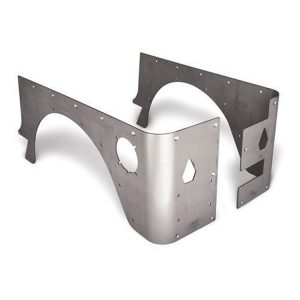
Poison Spyder Stock Crusher Corners (Bare Steel) – 14-04-010
- Stock Crusher Corners in bare 3/16 inch plate steel
- Includes openings for the factory wheel and fuel filler
- Mounting holes for factory flares, tail light and license plate frame
- Stainless steel flat head cap screws; cutting or drilling required
SKU: PSC14-04-010 -
Body Protection
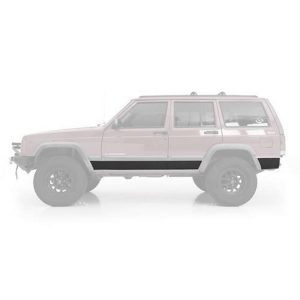
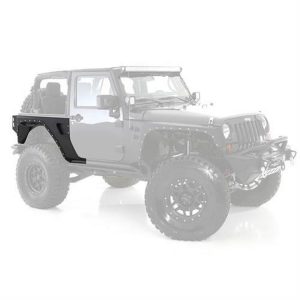
Smittybilt XRC Body Cladding – 76854
- Body side cladding for 4-door models
- 1/8 inch cold rolled steel with two-stage textured matte black finish
- Works with OE and aftermarket flares for lower quarter panel protection
- 304 stainless steel button head rivets included
- Part number 76854, UPC 631410110937
SKU: S/B76854 -
-
Body Corner Guard
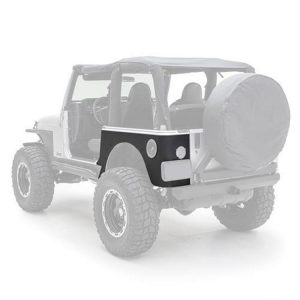
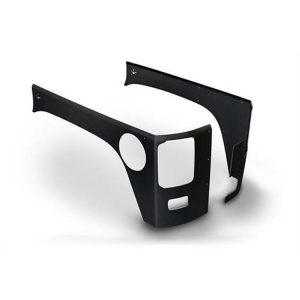
Smittybilt XRC Corner Guards (Black) – 76874
- Full rear corner guards in black powder coat, 3/16 inch cold roll steel
- Hand crafted with stainless steel hardware included
- Includes cutouts for factory tail lights and fuel filler
- Optional 3 inch flare extension, part 76875
- Drilling required
SKU: S/B76874 -
-
Body Corner Guard
Poison Spyder Trail Corner (Black) – 14-06-010-PC
- Black Trail Corner body guard in 3/16 inch steel
- Protects a body corner that is exposed to rock damage
- Pre-cut gas filler, taillight and license plate holes
- Works with OEM taillights; stainless steel button head hardware included
SKU: PSC14-06-010-PC -
Why armor the body
On a Wrangler the rear quarter panels and lower corners are the first sheet metal to meet a rock ledge, especially when the tires are stuffed into the wells and the rig pivots around an obstacle. Trees along a tight trail rake the same panels. Body armor puts a layer of steel, aluminum or tough plastic over that area so a scrape leaves a mark on the armor instead of a crease in the body. The pieces in this category divide into rear corner guards, full quarter panel skins that run from the wheel opening to the tailgate, front armor that replaces or covers the fender flares, tailgate plates, and the nuts and hardware that hold the tub to the frame.
Steel, aluminum or plastic
Steel is the standard for rock use. Poison Spyder and Smittybilt cut their corners and skins from 3/16 or 1/8 inch cold rolled plate, powder coated or left bare for you to finish, and these pieces shrug off direct hits on rock. The cost is weight, often 30 to 50 pounds a pair, hung behind the rear axle. Aluminum diamond plate, like the Warrior corners, weighs roughly a third as much and does not rust, but it dents more easily and bare aluminum dulls; it suits trail riders who hit more trees than ledges. Thermoplastic olefin and polycarbonate pieces from Bushwacker and Rugged Ridge attach with high bond tape and no drilling, protect against brush, parking lot dings and gravel, and look finished, but they will not stop a rock from pushing in the panel behind them.
Fitment details that matter
- Two-door and four-door Wranglers have different rear quarter panels, so JK armor is sold separately for each body. TJ and LJ corners also differ in length.
- Full corners wrap around the tail lights and may include cutouts for LED lights, the fuel filler and the license plate; check whether your tail lights and flares are stock.
- Steel armor often requires cutting or drilling into the body. Tape-on plastic and some Smittybilt pieces install with no cutting, but read the installation type on each product.
- Comp cut corners open up the wheel well for larger tires and a stretched wheelbase, which also means trimming the body. They are for built rigs, not stock ones.
- Body mount nuts and hardware here are factory surplus replacements for XJ, MJ, SJ, CJ, YJ and TJ; match the thread size.
Installing steel armor
Test fit before drilling. Hold the piece in place with tape and a helper, mark the holes, and check clearance to the tail light wiring and fuel filler hose behind the panel. Drill from outside with a sharp bit, deburr, and treat every bare edge with primer or seam sealer before the armor goes on, because water will sit between the panel and the plate. Many installers run a bead of sealer around the edge of the armor for the same reason. Use the stainless hardware supplied, with a nylon washer or anti-seize between stainless and steel to prevent galling, and check the bolts after the first few trail days.
Bare steel pieces must be painted or powder coated before installation; a bare corner left in the weather rusts within weeks. If you plan to color match, paint the piece and let it cure fully before bolting it on.
Keeping it looking right
Powder coat chips on rock, so keep a can of matching touch-up for exposed edges. Textured black finishes hide scratches better than gloss. Aluminum can be refreshed with a scuff pad. Plastic tape-on armor should be cleaned with alcohol before application and pressed firmly at 60 degrees or warmer so the adhesive bonds, and once applied it does not come off cleanly, so get the placement right the first time.
Related guides
- Rocker Knockers vs Rock Sliders: Guarding a Jeep’s Rockers
Popular Body Protection brands
- Smittybilt (13)
- Poison Spyder Customs (12)
- Rugged Ridge (11)
- Bushwacker (6)
- JcrOffroad (5)
- Warrior (4)
- Omix-Ada (1)
- Crown Automotive (1)
- Rampage (1)
- Tough Stuff (1)
- Fabtech (1)
- Fab Fours (1)
Shop Body Protection by type
- Body Corner Guard (27)
- Body Protector Kit (17)
- Body Hardware (2)
Body Protection FAQ
Do rear corner guards require drilling into the body?
Most steel corners and quarter panel skins do, since they bolt through the sheet metal. Some Smittybilt and Bushwacker pieces install with no cutting or drilling, using factory holes or high bond tape. Each listing states the installation type, so check it before deciding.
Is aluminum body armor strong enough for rock crawling?
Aluminum diamond plate resists scrapes from brush and glancing contact and saves weight, but it dents under a direct hit from a ledge. For regular rock use, 3/16 inch steel holds its shape far better. Aluminum suits trail riders who prioritize weight and corrosion resistance.
Will JK two-door armor fit a four-door Unlimited?
No. The rear quarter panels differ in length between the two bodies, so corner guards and skins are sold specifically for two-door or four-door JKs. The same applies to TJ versus LJ Unlimited. Confirm the body style on every listing.
How do I stop rust under steel body armor?
Prime or seal every drilled hole and bare edge before installing, run a bead of seam sealer where the plate meets the body if you want it watertight, and pull the armor every couple of years to inspect. Bare steel armor must be painted or coated before it goes on.