




Winch sizing explained: GVWR x 1.5, first-layer line pull, synthetic vs steel rope, fairleads, mounts, battery needs, snatch blocks and D-ring WLL ratings.
Winch Mounting Plate
Showing 37–40 of 40 resultsSorted by popularity
-
Winch Mounting Plate
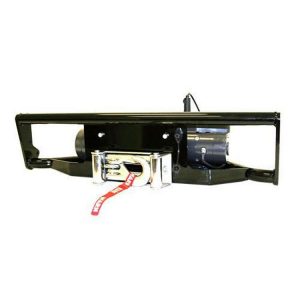
Jeep 10th Anniversary Edition Winch Mount (Black) – 82214786AB
- Jeep factory winch mount plate for the 10th Anniversary Edition bumper, part number 82214786AB
- Fits 2013 to 2017 JK Wrangler, Rubicon and Unlimited, 2 and 4-door models
- Works only with the factory 10th Anniversary Edition bumper
- Black finish; Warn Zeon winches will not fit
SKU: JEP82214786AB -
Winch Mounting Plate
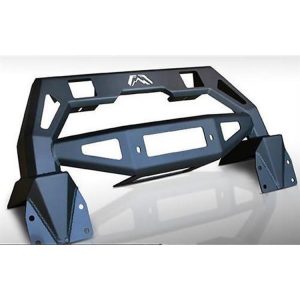
Fab Fours Full Metal Jacket Winch Bumper Modifier (Black) – JK07-B1859-1
- Fab Fours Full Metal Jacket winch bumper modifier, part number JK07-B1859-1
- Styling built to complement Warn Zeon winches
- Optional cutouts for 2×2 Rigid Industries Surface Mount Dually lights (lights not included)
- Two-stage matte black powder finish
SKU: FFIJK07-B1859-1
What a winch plate does
A winch is heavy and puts large loads into whatever carries it. The winch plate, mounting tray or mount is the structural interface between the winch and the vehicle, normally attached to a bumper, a frame-mounted cradle or the front crossmember. Without a properly rated plate the winch may twist, crack or tear loose at the worst moment. This category covers plates for stock-style bumpers-bumpers-tire-carriers-winch-mounts-2, trays that sit within an aftermarket bumper and complete winch mounting kits.
Plate styles
- Flat plates: a simple steel plate that bolts to the bumper or crossmember and carries the winch on its face.
- Trays and cradles: a box or tray design that holds the winch in a pocket and can aid the fairlead and cable alignment.
- Vehicle-specific kits: bolt-on sets made for particular trucks or Jeeps, often using factory holes.
- Universal plates: designed to be modified or drilled to your vehicle and winch.
Specs to compare
- Winch bolt pattern: common patterns are measured in inches between the bolt holes, such as 10 inches by 4.5 inches, and the plate must match your winch model.
- Material and thickness: look for steel plate rated for the winch's pulling capacity, and check the finish, such as powder coating, for rust protection.
- Winch rating: make sure the plate is designed for the line pull of your winch, not just its size.
- Fairlead compatibility: roller or hawse fairleads need the right clearance and alignment.
Installation and safe use
Use grade-rated hardware, torque it to specification and use thread locker where the manufacturer calls for it. Mount only to structural points designed for the load, and check that the bumper itself is rated for winching. A bumper made of thin sheet metal may not be suitable. Recheck all bolts after the first off-road use. Because winching puts heavy loads on the vehicle and the people nearby, follow the winch manufacturer's safety guidance, use gloves and a line damper, and consider professional installation.
Fitment
Confirm fitment for your exact vehicle, bumper and winch model, and compare dimensions against the manufacturer's specifications before choosing.
Think about the whole recovery system rather than the plate alone. A winch pulls through the fairlead, the cable and the vehicle's recovery points, and a weak link anywhere reduces the safe capacity. Make sure the bumper or crossmember that holds the plate is strong enough, and that the frame behind it is sound. Corrosion, cracks and prior collision repair can weaken a mounting point, so inspect them before adding a heavy winch.
Electrical and cable considerations follow the mount. Leave room for the winch motor, the solenoid pack and the battery cables, and keep the cables away from sharp edges and heat. Match the fairlead type to the cable, using a roller fairlead with steel cable and a hawse fairlead with synthetic rope. Check the cable angle and spooling at the drum when installing, so the line wraps evenly. Keep the plate and hardware clean and lightly oiled or coated, and inspect bolts and welds for cracks periodically, especially after heavy pulls and winter driving.
Related guides
- Winch Sizing Made Simple: Ratings, Rope and Recovery Gear
Popular Winch Mounting Plate brands
- Fab Fours (17)
- Warn (6)
- Smittybilt (3)
- Rugged Ridge (3)
- Trail Gear (2)
- Go Rhino (2)
- Jeep (2)
- Westin (2)
- Rampage (2)
- Tomken Machine (1)
- Warrior (1)
- Rock Hard 4x4 Parts (1)
Winch Mounting Plate FAQ
How do I know a plate fits my winch?
Compare the winch's mounting hole pattern in the manual with the plate's stated bolt pattern. Winches use standard patterns, but not all plates carry every pattern. Also check the footprint and capacity.
Can I mount a winch on a stock bumper?
Only if the bumper is built for it, and most stock bumpers are not. Many owners choose a winch-ready aftermarket bumper or a frame-mounted tray. Check the manufacturer's instructions and capacity.
Is a thicker plate always stronger?
Thickness helps but design, material, welds and mounting points matter as well. A plate rated for your winch's pull and bolted to structural frame points is safer than thick plate on a weak mount.
Do I need to upgrade the plate for a larger winch?
Often yes. A larger winch has a different bolt pattern, size and load, so check the plate's rating and dimensions. Use a plate made for the winch you install.