
Winch Accessories
Showing 37–48 of 154 resultsSorted by popularity
-
Winch Accessories, Winch Bumper Mounting Channel, Winches & Winch Accessories

Fab Fours Hidden Winch Mount without Guard (Black) – T4R-N4551-1
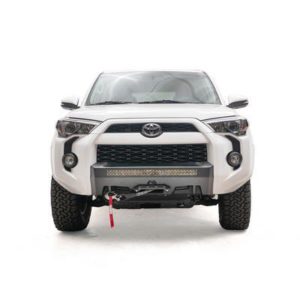 Winch Accessories, Winch Bumper Mounting Channel, Winches & Winch Accessories
Fab Fours Hidden Winch Mount without Guard (Black) – T4R-N4551-1
- Fab Fours Hidden Winch Mount without Guard, black finish
- Fits 2014–2024 Toyota 4Runner (5th generation)
- Part number FFIT4R-N4551-1
- Retains factory tow hooks, integrated D-ring mounts, 30″ LED light bar housing
SKU: FFIT4R-N4551-1 -
Winch Accessories, Winch Bumper Mounting Channel, Winches & Winch Accessories
Fab Fours Hidden Winch Mount with Guard (Black) – T4R-N4552-1
 Winch Accessories, Winch Bumper Mounting Channel, Winches & Winch Accessories
Fab Fours Hidden Winch Mount with Guard (Black) – T4R-N4552-1
- Fits 2014-2024 Toyota 4Runner models
- Fab Fours Hidden Winch Mount with Guard, part number T4R-N4552-1
- Black finish, integrated 30-inch LED light bar housing
- Retains factory tow hooks; not an OE bumper
SKU: FFIT4R-N4552-1 -
Winch Accessories, Winch Bumper Mounting Channel, Winches & Winch Accessories
Fab Fours Full Guard Winch Mount (Black) – GM20-N5070-1
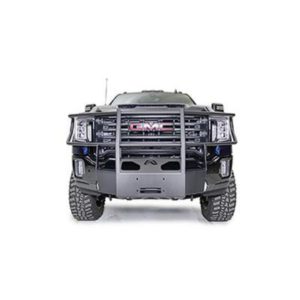 Winch Accessories, Winch Bumper Mounting Channel, Winches & Winch Accessories
Fab Fours Full Guard Winch Mount (Black) – GM20-N5070-1
- Fab Fours Full Guard Winch Mount, black finish
- Fitment for 2020–2026 GMC Sierra 2500 HD and 3500 HD
- Part number FFIGM20-N5070-1
- One-piece, fully welded; slips through factory tow hook slots to the frame
SKU: FFIGM20-N5070-1 -
Winch Accessories, Winch Bumper Mounting Channel, Winches & Winch Accessories
Fab Fours Elite Full Size Winch Tray (Black) – QWINCH-1
 Winch Accessories, Winch Bumper Mounting Channel, Winches & Winch Accessories
Fab Fours Elite Full Size Winch Tray (Black) – QWINCH-1
- Fab Fours Elite full size black steel winch tray, part number FFIQWINCH-1
- Optional bolt-on design from the ELITE line
- Universal fit shown; confirm bumper match
SKU: FFIQWINCH-1 -
-
D-Ring Isolators, Winch Accessories, Winches & Winch Accessories

Daystar Locking D-Ring Isolator and Washer Set (Red) – KU70059RE
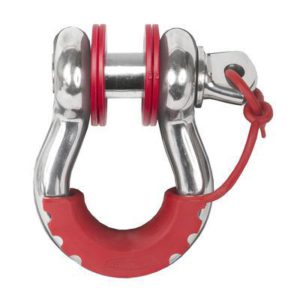 D-Ring Isolators, Winch Accessories, Winches & Winch Accessories
Daystar Locking D-Ring Isolator and Washer Set (Red) – KU70059RE
- Daystar Locking D-Ring Isolator and Washer Set KU70059RE in Red
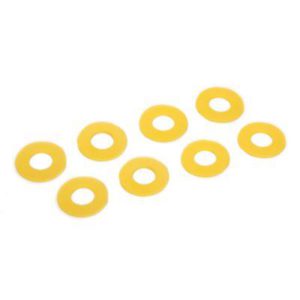
- Includes 2 Locking D-Ring Isolators and 8 non-locking D-Ring Washers
- Universal fit for standard 3/4″ shackles and D-rings
- Polyurethane isolates the shackle from the bumper to reduce rattles
SKU: DAYKU70059RE -
D-Ring Isolators, Winch Accessories, Winches & Winch Accessories
Daystar Locking D-Ring Isolator (Fluorescent Green) – KU70058FG
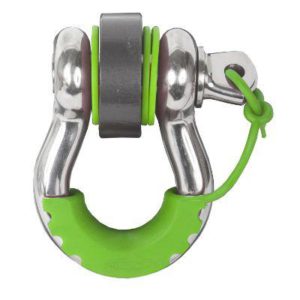 D-Ring Isolators, Winch Accessories, Winches & Winch Accessories
Daystar Locking D-Ring Isolator (Fluorescent Green) – KU70058FG
- Daystar Locking D-Ring Isolator KU70058FG in Fluorescent Green
- Universal fit: works with any standard 3/4″ D-ring, clevis or shackle
- Polyurethane isolator stops D-ring rattles and helps protect the bumper finish
- Built-in lanyard loops through the D-ring bolt to prevent unscrewing
SKU: DAYKU70058FG -
D-Ring Isolators, Winch Accessories, Winches & Winch Accessories
Daystar D-Ring Locking Isolators and Washer Kits (Purple) – KU70061PR
 D-Ring Isolators, Winch Accessories, Winches & Winch Accessories
Daystar D-Ring Locking Isolators and Washer Kits (Purple) – KU70061PR
- Daystar purple D-Ring isolator and locking washer kit, part DAYKU70061PR
- Fits any standard 3/4 inch shackle, universal fit
- Kit includes 2 D-Ring Isolators, 2 locking washers and 6 non-locking washers
- Polyurethane isolators reduce rattling; attached lanyard keeps the D-ring bolt from unscrewing
SKU: DAYKU70061PR


What you may need around a winch
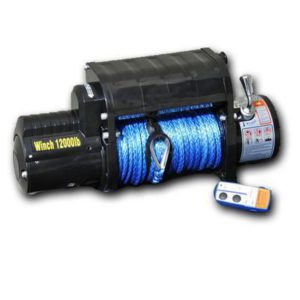
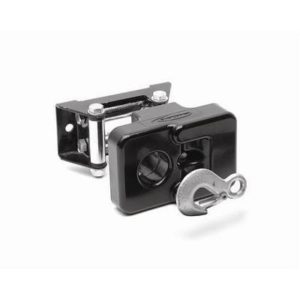
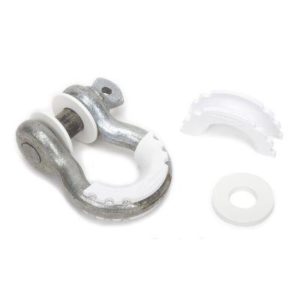
A winch is only as capable as the parts that connect it to the vehicle and to the anchor point. Typical accessories are the winch mount that holds the unit to the bumper or frame, shackles and D-rings for connections, rope or line, a hook or fairlead, isolators that stop the D-ring from rattling, and gear like recovery bags and gloves that make pulls safer and tidier.
Mounts and channels
A mounting plate or bumper channel must match both the winch bolt pattern and the vehicle. Many mounts are designed for a particular bumper or model year, so confirm fitment for your exact year, make and model and check the bolt pattern against your winch. A mount has to carry the full pulling load, so look at thickness, welds and the hardware included, and torque all bolts to specification.
Shackles, D-rings and hooks
- Working load limit (WLL): every piece has a rated limit, and the system is only as strong as its lowest-rated link. Choose components rated well above the winch's line pull.
- Size: 3/4 inch and 7/8 inch D-rings are common on trail vehicles, but the pin and the bumper tab must fit together.
- Hardware condition: discard shackles that are bent, cracked or have stretched pins.
Synthetic rope
Synthetic line is lighter than steel cable and stores less energy if it fails, but it needs care. Keep it clean, protect it from sharp edges and heat, and check its rating relative to the winch. A hookless design eliminates a heavy hook on the end and works with a rated shackle. Inspect it for fraying and replace it if damaged.
Safe use
- Lay a recovery bag or heavy blanket across the line to absorb energy if something snaps.
- Keep bystanders well clear of the line and use gloves when handling it.
- Never exceed the rated capacity of the winch, rope or anchors. Use proper tree trunk straps instead of wrapping the line around trees.
- Keep at least a few wraps of rope on the drum while pulling.
Read the winch instructions and, if you are new to recovery, consider a training session with experienced off-roaders.
Inspection and common mistakes
Recovery equipment works under heavy stress, so inspect it before every outing and after each hard pull. Check shackle pins and threads for damage, look at rope or strap for abrasion, glazing and cuts, and make sure the winch mount bolts remain tight.
- Do not mix up shackle and hook ratings. A small hook or tab on a strong shackle limits the whole system.
- Do not tighten shackle pins fully and leave them. A common practice is to snug the pin and back it off slightly so it can be removed after a heavy load, since a pin that binds can be hard to free.
- Avoid shock loads. Steady pulls are safer than a running start with a strap or rope, and a winch should be used rather than a snatch when equipment is not rated for dynamic loads.
- Keep isolators clean. D-ring isolators stop rattle, but dirt behind them can hide rust.
- Carry essentials. Gloves, a tree trunk protector and a snatch block (which can reduce load on the winch) round out a basic kit.
Popular Winch Accessories brands
- Rugged Ridge (37)
- Daystar (31)
- Smittybilt (21)
- Fab Fours (9)
- AMI (9)
- Go Rhino (8)
- Warn (8)
- ARB 4x4 Accessories (6)
- RT Off-Road (6)
- Rampage (3)
- Aries Offroad (3)
- Curt Manufacturing (3)
Shop Winch Accessories by type
- D-Ring Shackle (66)
- D-Ring Isolators (43)
- Winch Bumper Mounting Channel (13)
- Recovery Bags (9)
- Winch Mount (3)
- Winch Accessory Kit (3)
- Winch Cable and Synthetic Rope (2)
- Winch Hook and Hardware Kit (2)
- Winch Safety Thimble (1)
- Snatch Block (1)
- Winch Hook Pull Handle (1)
- Winch Controller (1)
- Winch Isolator (1)
- Winch Anchor (1)
- Clevis Pin (1)
- Winch Mount Plate Bracket (1)
Winch Accessories FAQ
What does working load limit mean on a shackle?
Working load limit is the maximum load the manufacturer says the shackle can carry in normal use. It is lower than the breaking strength. Match every link in a recovery setup to a rating that exceeds the pull.
Do I need a recovery bag for winching?
It is strongly recommended. A recovery bag or damper lies across the line and helps hold it down if it breaks or detaches. It does not replace safe distance, gloves and properly rated equipment.
Will a winch mount fit any bumper?
No. Mounts are designed for particular bumpers or vehicle platforms and winch bolt patterns. Confirm the fit for your exact year, make and model, and check the winch's mounting pattern in its specifications.
Is synthetic rope better than steel cable?
Each has tradeoffs. Synthetic is lighter, easier to handle and stores less energy, while steel is more resistant to abrasion. Pick based on use, and follow care instructions for whichever you choose.