
Trail Jacks & Vehicle Recovery Equipment
Showing 25–36 of 58 resultsSorted by popularity
-
Tow Strap, Trail Jacks & Vehicle Recovery Equipment, Winches & Winch Accessories

Bubba Rope Jumbo Bubba Recovery Rope (Green) – 176730GRG
 Tow Strap, Trail Jacks & Vehicle Recovery Equipment, Winches & Winch Accessories
Bubba Rope Jumbo Bubba Recovery Rope (Green) – 176730GRG
- Universal fit recovery rope, 30 Feet long and 1.5 Inch wide
- Rated at a 74,000 working load limit
- Green color, part number BUB176730GRG
- Comes with its own mesh duffle bag for carrying and storing
SKU: BUB176730GRG -
Tow Strap, Trail Jacks & Vehicle Recovery Equipment, Winches & Winch Accessories
Bubba Rope Bubba Recovery Rope 7/8″ x 30′ (Blue/Black) – 176680BLG
 Tow Strap, Trail Jacks & Vehicle Recovery Equipment, Winches & Winch Accessories
Bubba Rope Bubba Recovery Rope 7/8″ x 30′ (Blue/Black) – 176680BLG
- Bubba Rope recovery rope in blue and black, part number BUB176680BLG
- Breaking strength of 28,600 pounds
- Listed length is 20 feet while the name says 30 feet; check before choosing
- Comes with a mesh duffle bag
SKU: BUB176680BLG -
Tow Strap, Trail Jacks & Vehicle Recovery Equipment, Winches & Winch Accessories
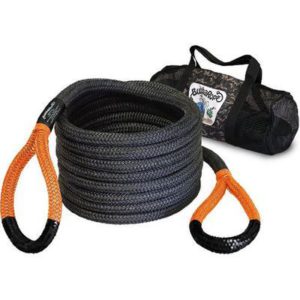
Bubba Rope 30-feet Black Power Stretch Recovery Rope (Orange Eye) – 176680ORG
 Tow Strap, Trail Jacks & Vehicle Recovery Equipment, Winches & Winch Accessories
Bubba Rope 30-feet Black Power Stretch Recovery Rope (Orange Eye) – 176680ORG
- Bubba Rope 30-foot Power Stretch recovery rope with an orange eye
- Part number BUB176680ORG, 7/8 inch width
- 28,600 working load limit
- Mesh duffle bag included
SKU: BUB176680ORG -
Tow Strap, Trail Jacks & Vehicle Recovery Equipment, Winches & Winch Accessories
Bubba Rope 20-feet Black Power Stretch Recovery Rope (Green Eye) – 176660GRG
 Tow Strap, Trail Jacks & Vehicle Recovery Equipment, Winches & Winch Accessories
Bubba Rope 20-feet Black Power Stretch Recovery Rope (Green Eye) – 176660GRG
- Bubba Rope 20-foot Power Stretch recovery rope with a green eye, part number BUB176660GRG
- 7/8 inch width and 28,600 working load limit
- Mesh duffle bag included
- Not vehicle-specific; intended for 4×4 trucks, Jeeps and SUVs
SKU: BUB176660GRG -
Jack Mount Kits, Trail Jacks & Vehicle Recovery Equipment, Winches & Winch Accessories

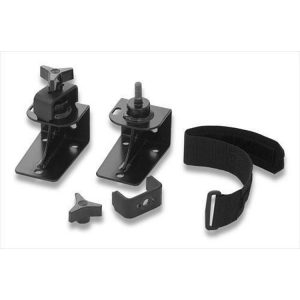
BOLT Lock J-Mount Hi-Lift Jack Mount – 7028648
 Jack Mount Kits, Trail Jacks & Vehicle Recovery Equipment, Winches & Winch Accessories
BOLT Lock J-Mount Hi-Lift Jack Mount – 7028648
- BOLT Lock J-Mount for Hi-Lift jacks, part number SSC7028648
- Secures the jack with your own Jeep key
- Bolts into existing holes with no drilling required
- Automotive grade, weather-proof solid steel; limited lifetime warranty
SKU: SSC7028648 -
Traction Pad, Trail Jacks & Vehicle Recovery Equipment, Winches & Winch Accessories

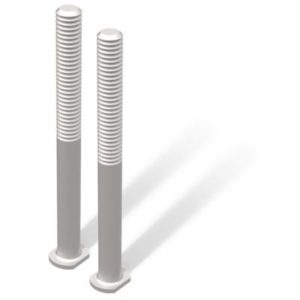
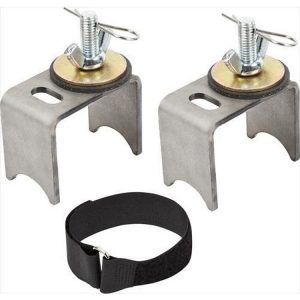
ARB 4×4 Accessories TRED Pro Mount Extension Pins – TPMKEP
 Traction Pad, Trail Jacks & Vehicle Recovery Equipment, Winches & Winch Accessories
ARB 4×4 Accessories TRED Pro Mount Extension Pins – TPMKEP
- ARB TRED Pro Mount Extension Pins, part number ARBTPMKEP
- Accessory for the TRED Pro recovery device mount
- Sold as universal fit, matched to the TRED Pro mount rather than a vehicle
SKU: ARBTPMKEP -
Traction Pad, Trail Jacks & Vehicle Recovery Equipment, Winches & Winch Accessories
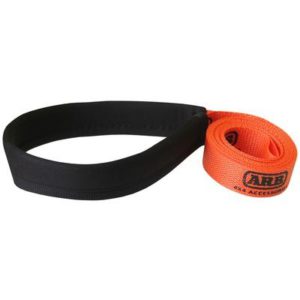
ARB 4×4 Accessories ARB Recovery Leashes (Black) – TLOARB
 Traction Pad, Trail Jacks & Vehicle Recovery Equipment, Winches & Winch Accessories
ARB 4×4 Accessories ARB Recovery Leashes (Black) – TLOARB
- ARB Recovery Leashes in black, part number ARBTLOARB
- Helps locate TRED recovery devices that bury beyond sight after vehicle recovery
- Universal fit, not tied to a specific vehicle
SKU: ARBTLOARB -
Trail Jack Accessories, Trail Jacks & Vehicle Recovery Equipment, Winches & Winch Accessories

All German Motorsports Milwaukee Battery Charger – AGM-EJA-2025
 Trail Jack Accessories, Trail Jacks & Vehicle Recovery Equipment, Winches & Winch Accessories
All German Motorsports Milwaukee Battery Charger – AGM-EJA-2025
- All German Motorsports Milwaukee battery charger, part number AGMAGM-EJA-2025
- Communicates with the battery pack for full charge and protection
- Intended to extend battery life
- Not vehicle-specific
SKU: AGMAGM-EJA-2025 -
Jack Mount Kits
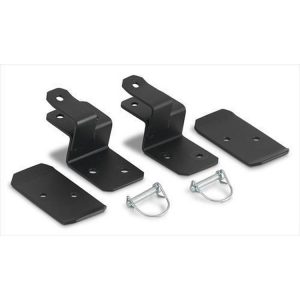
Warrior Hi-Lift Jack Mount – 3840
- Hi-Lift jack mount for the side of a Safari Racks cargo basket
- Mounts to any flat surface 3 inches or taller
- Steel with black powder-coated finish
- Fits 2007–2014 Toyota FJ Cruiser (Base, TRD Special Edition, Trail Teams Special Edition)
- Part number 3840, UPC 634146038407
SKU: W/I3840 -
-


Recovery gear basics
Recovery equipment pulls or lifts a vehicle that cannot move itself. The category covers soft goods like straps and ropes, hard points such as tow hooks and hitch-mounted hooks, and lifting tools like trail jacks with their mounts and pads. Safe recovery depends on matching each piece to the job, because a single weak link can fail suddenly and cause injury or damage.
Ropes and straps
Tow straps and kinetic recovery ropes differ. A basic strap has little stretch and suits a straight tow, while a stretchy rope stores energy and helps pull a stuck vehicle free with less shock. Look at length, width, and the rating published by the maker. A rope should have a breaking strength well above the weight of the vehicle being recovered, and many experts suggest a working load that is a fraction of the break strength. Inspect for cuts, glazing, and sun damage before each use, and retire damaged gear.
Hooks, jacks, and accessories
- Tow hooks: frame-mounted hooks and receiver-mounted hooks give a solid point to attach a strap or shackle. Never attach recovery gear to a tie-down loop or bumper that was not designed for it.
- Trail jacks: high-lift jacks can lift tall vehicles, but they are unstable. Use a base or jack pad on soft ground.
- Jack mounts and pads: mounts store the jack on a rack, bumper, or bar, while pads spread the load over soft terrain.
- Other items: hooks, shackles, and tools for specific recovery tasks.
Using it safely
Check the rated capacity on every piece, including shackles and hooks, and use the lowest rating in the system as your limit. Stand clear of the line during a pull, and never let people stand directly between vehicles. Drape a recovery damper or blanket over a strap to reduce flying hardware if it breaks. Do not use a vehicle jack to hold a vehicle while you work underneath, and use jack stands. Keep gear dry, clean, and stored out of sunlight.
Mounting hardware and receiver hooks must be installed correctly and torqued to specification. Check ratings, vehicle weight, and fitment on every product page and with the manufacturer's specifications. Recovery is a skill, and training or practice with experienced drivers is valuable.
Inspection and storage
Look over every piece before and after a trip. On ropes and straps, check for cuts, stiff or glazed sections, melted fibers from friction, and stitching damage near the loops, and retire anything doubtful. Check hooks and mounts for bending, cracks, and corrosion, and verify the mounting bolts are tight and of the proper grade. Rinse sand and mud from soft goods, dry them completely, and store them out of sunlight and away from chemicals, battery acid, and fuel. Keep recovery points free of paint or coatings that hide cracks. Pack a pair of gloves and a rated shackle or two along with your rope, and practice a recovery in a safe setting before you need it on a trail.
Label each rope and strap with its rating and length using a permanent marker or tag, so everyone in the group can pick the correct piece quickly and avoid grabbing one that is rated too low for the vehicle.
Popular Trail Jacks & Vehicle Recovery Equipment brands
- Rugged Ridge (6)
- Bubba Rope (5)
- ARB 4x4 Accessories (5)
- Prothane (5)
- Monster Hooks (4)
- Safe Jack (4)
- Hi-Lift Jack (3)
- Rampage (3)
- Fab Fours (3)
- Hauk Offroad (3)
- Warrior (2)
- BOLT Lock (2)
Shop Trail Jacks & Vehicle Recovery Equipment by type
- Jack Mount Kits (27)
- Tow Strap (7)
- Trail Jack Accessories (5)
- Tow Hook (4)
- Receiver Mounted Tow Hook (3)
- Traction Pad (2)
- Jack Pad (2)
- Trail Jacks (2)
- Jack Stand (2)
- Trail Jack Storage (2)
- Tree Trunk Protector (1)
Trail Jacks & Vehicle Recovery Equipment FAQ
What is the difference between a tow strap and a recovery rope?
A tow strap has little stretch and suits pulling a vehicle along a road. A recovery rope stretches to store energy and ease a stuck vehicle free with less shock. Check the intended use and rated capacity.
How do I choose a recovery rope rating?
The rating should be well above the weight of the vehicle being recovered, and the working load should be well below the stated breaking strength. Check the maker's numbers and apply a safety margin, since mud and slopes increase load.
Can I attach a strap to my tow ball?
Generally no. A tow ball is not designed for the sharp shock load of a recovery pull and can break or fire. Use a rated frame-mounted hook, a receiver shackle point, or a hook designed for recovery.
Is a high-lift jack safe?
It can be if used carefully, but it is tall and unstable. Use a base on soft ground, lift only what you need, keep your body out of the vehicle's path, and use proper stands rather than relying on the jack.