
Tie Down
Showing 13–24 of 35 resultsSorted by popularity
-
-
Tie Down
Hi-Lift Jack 68 Inch Slide-n-Lock Tie Down System – SWR68S
- Hi-Lift Jack SWR68S, 68 inch Slide-n-Lock tie-down system
- Self-locating holes every 5 inches with spring-loaded locking pins
- Mounts with 1/4 inch bolts spaced about every 10 inches
- Universal fit, not built for one vehicle
SKU: H/LSWR68S -
-
Tie Down
Hi-Lift Jack 22 Inch Slide-n-Lock Tie Down System – SWR22S
- Hi-Lift Jack SWR22S, 22 inch Slide-n-Lock tie down system
- Two anodized aluminum rails with stainless steel locking pins
- Self-locating holes every 5 inches for moving the tie point
- Predrilled mounting holes and mounting hardware included
- Universal fit, in Black and Silver finishes
SKU: H/LSWR22S

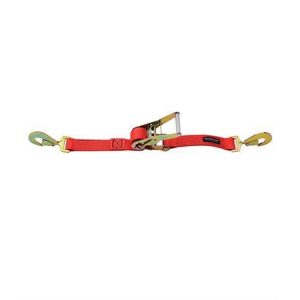
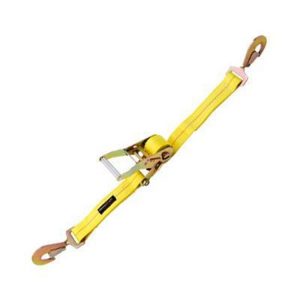


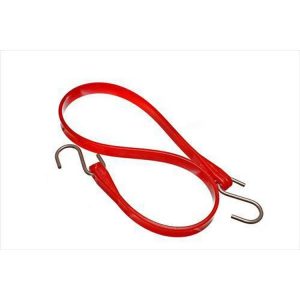
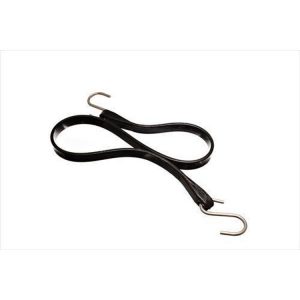

Types of tie-downs
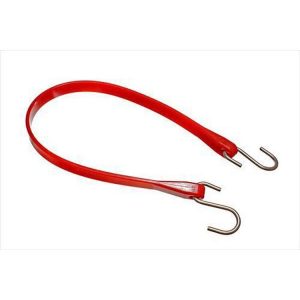
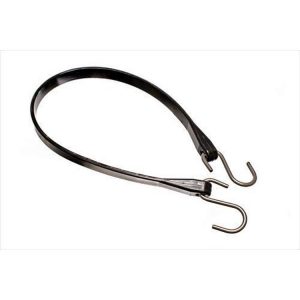
Different loads call for different tools. Ratchet straps use a ratcheting buckle to apply heavy tension and are the standard for freight, equipment and vehicles. Power bands and stretch straps have an elastic element and suit lighter, bulky loads such as camping gear or a tarp. Rope tie-downs with a tensioner are quick for light items. Specialty systems, such as a slide-and-lock kit for a 68 inch Hi-Lift jack, hold a particular tool firmly in place on a bumper, rack or bed.
Ratings you need to understand
- Working load limit (WLL): the maximum load a strap should carry in service, usually about one-third of its breaking strength.
- Breaking strength: the load at which the strap fails. Never use this as the working number.
- Aggregate WLL: when you use several straps, the combined WLL must exceed the weight of the cargo, considering angle and tie-down-cargo-management points.
- Length and width: a 12 foot strap is a typical length for a truck bed, though longer ones are needed for trailers or big loads.
Material and hardware
Polyester webbing resists stretching and UV exposure and is common for rated ratchet straps. Look at the end fittings, such as S-hooks, flat hooks or snap hooks, and make sure they suit your anchor points. Medium-duty and heavy-duty straps differ in webbing width and rating, so choose one with margin over the load. Embroidered tags and labels list ratings where provided.
Using tie-downs safely
- Use only straps with legible ratings and no cuts, burns or frayed stitching.
- Tie loads to rated anchor points, not to accessories or thin trim.
- Pad sharp edges with corner guards or a sleeve to prevent cuts.
- Do not overtighten delicate cargo or tow-hook points.
- Recheck tension soon after you start driving, since loads settle.
Fitment and use
For vehicle-specific systems, such as a jack mount, confirm the fitment for your exact year, make and model and the compatible jack size. Follow the manufacturer's rules for towing and cargo, and remember that transport regulations vary by state.
Store straps dry and out of sunlight when possible, because moisture and UV exposure slowly degrade webbing over time.
Choosing for the job and avoiding mistakes
For light camping gear, stretch bands are quick and forgiving. For motorcycles, ATVs, tools and anything heavy, use rated ratchet straps with enough length to make a proper path around the load. A jack holder system is a good example of a purpose-built product, because a loose high-lift jack can shift, damage paint or injure someone in a sudden stop.
- Do not twist webbing through the buckle, and leave enough tail to avoid the strap slipping out.
- Do not tie knots in a ratchet strap. Knots reduce strength significantly.
- Do not use a damaged strap even if it appears only slightly frayed.
- Carry spare straps of different lengths so you can adjust to different loads.
- Release tension when stored for long periods to avoid stretching or damaging the mechanism.
When two people share gear, agree on one inspection routine: check the webbing, hooks and ratchet pawls before loading, and retire anything with cuts, melted spots or a bent frame.
Popular Tie Down brands
- Curt Manufacturing (9)
- Energy Suspension (8)
- Hi-Lift Jack (6)
- MasterCraft Safety (4)
- Lockstraps (2)
- Smittybilt (2)
- Putco (1)
- Bubba Rope (1)
- Thule (1)
- Poison Spyder Customs (1)
Tie Down FAQ
What is the difference between working load limit and breaking strength?
Breaking strength is the point at which a strap fails. The working load limit is the lower value that is safe for normal use, often about one-third of breaking strength. Always size straps by working load limit.
How many tie-down straps do I need for a load?
It depends on the weight, shape and the strap ratings. The combined working load limit should exceed the cargo weight, and the load should be held from several points. Check state and local transport rules.
Are stretch straps safe for heavy cargo?
Generally no. Elastic power bands suit light, bulky items, while heavy or critical loads need rated ratchet straps with no stretch. Follow the manufacturer's stated ratings and use tie-down points designed for the load.
How do I protect a strap from sharp edges?
Use sleeves, corner protectors or padding at any edge that contacts the webbing. Even a small cut can reduce strength substantially, so retire damaged straps.