Aftermarket wheels for trucks, SUVs and Jeeps, from 15-inch steel rims to 22-inch forged-look aluminum. Listings show diameter, width, bolt pattern, offset, backspacing and center bore, so you can compare the numbers that decide fitment. Brands include FUEL Off-Road, Method Race Wheels, Pro Comp and ICON Vehicle Dynamics. Open a product page for full specifications, then compare the products below.
Wheels
Showing 1–12 of 1727 resultsSorted by popularity
-
Tires & Wheels, Wheels

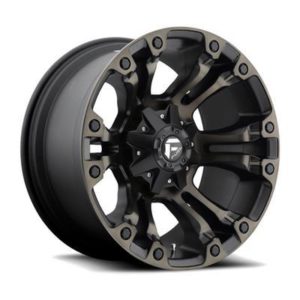
Vapor D569, 20×9 Wheel with 8 on 170 Bolt Pattern – Black Machined with Dark Tint
 Tires & Wheels, Wheels
Vapor D569, 20×9 Wheel with 8 on 170 Bolt Pattern – Black Machined with Dark Tint
- FUEL Off-Road Vapor D569 20×9 split spoke aluminum wheel
- Single 8 on 170 bolt pattern listed
- Offset 1, center bore 125 and backspacing 5
- Part number MHTD56920901750; no vehicles named for fitment
SKU: MHTD56920901750 -
Tires & Wheels, Wheels
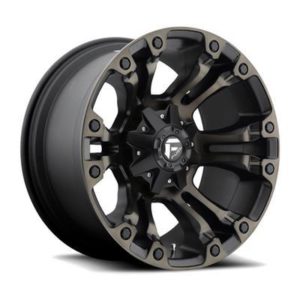
Vapor D569, 18×9 Wheel with 5 on 4.5 and 5 on 5 Bolt Pattern – Black Machined with Dark Tint
 Tires & Wheels, Wheels
Vapor D569, 18×9 Wheel with 5 on 4.5 and 5 on 5 Bolt Pattern – Black Machined with Dark Tint
- FUEL Off-Road Vapor D569 18×9 split spoke aluminum wheel
- Named bolt patterns: 5 on 4.5 and 5 on 5
- Offset -12, center bore 78 and backspacing 4.5
- Part number MHTD56918902645; no vehicles named for fitment
SKU: MHTD56918902645 -
Tires & Wheels, Wheels
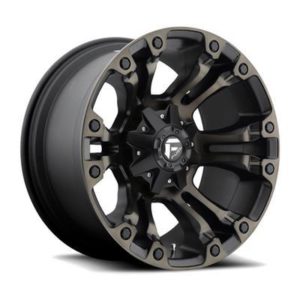
Vapor D569, 17×9 Wheel with 6 on 5.5 and 6 on 135 Bolt Pattern – Black Machined with Dark Tint
 Tires & Wheels, Wheels
Vapor D569, 17×9 Wheel with 6 on 5.5 and 6 on 135 Bolt Pattern – Black Machined with Dark Tint
- FUEL Off-Road Vapor D569 17×9 split spoke aluminum wheel
- Title lists 6 on 5.5 and 6 on 135 bolt patterns
- Offset 1, center bore 106 and backspacing 5
- Part number MHTD56917909850; no vehicles named for fitment
SKU: MHTD56917909850 -
Tires & Wheels, Wheels
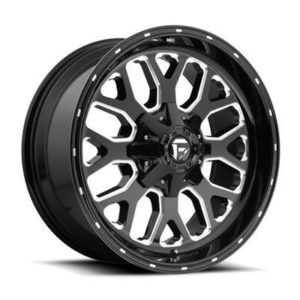
Titan – D588, 20X9 Wheel with 6×135 Bolt Pattern- Black Milled
- FUEL Off-Road Titan D588 20×9 aluminum mesh wheel
- 6 on 135 bolt pattern with a black finish
- Offset 1, center bore 106 and backspacing 5
- Part number MHTD58820909850; no vehicles named for fitment
SKU: MHTD58820909850 -
Tires & Wheels, Wheels

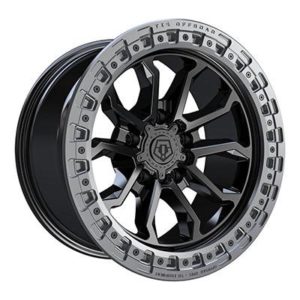
TIS Offroad 556BA Series Wheel, 17×9 with 5 on 5 Bolt Pattern – Black/Anthracite – 556BA-7907312
 Tires & Wheels, Wheels
TIS Offroad 556BA Series Wheel, 17×9 with 5 on 5 Bolt Pattern – Black/Anthracite – 556BA-7907312
- TIS Offroad 556BA Series 17×9 aluminum split spoke wheel
- 5 on 5 bolt pattern with a Black/Anthracite finish
- Offset -12, center bore 71.5 and backspacing 4.53
- Part number TIS556BA-7907312; no vehicles named for fitment
SKU: TIS556BA-7907312 -
Tires & Wheels, Wheels
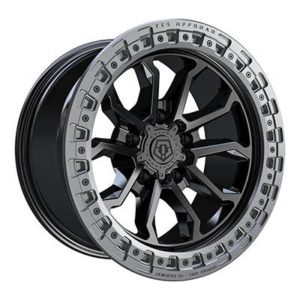
TIS Offroad 556BA Series Wheel, 17×9 with 5 on 150 Bolt Pattern – Black/Anthracite – 556BA-7908512
 Tires & Wheels, Wheels
TIS Offroad 556BA Series Wheel, 17×9 with 5 on 150 Bolt Pattern – Black/Anthracite – 556BA-7908512
- TIS Offroad 556BA Series 17×9 aluminum wheel, split spoke
- 5 on 150 bolt pattern, -12 offset, 87.1 center bore
- Black/Anthracite finish
- Not vehicle-specific; confirm specs for your vehicle
SKU: TIS556BA-7908512 -
Tires & Wheels, Wheels
TIS Offroad 554BM Series Wheel, 20×10 with 8 on 6.5 Bolt Pattern – Black/Milled – 554BM-2108119
 Tires & Wheels, Wheels
TIS Offroad 554BM Series Wheel, 20×10 with 8 on 6.5 Bolt Pattern – Black/Milled – 554BM-2108119
- TIS Offroad 554BM Series 20×10 aluminum wheel with an 8 on 6.5 bolt pattern
- Black/Milled finish and directional style
- Offset -19, center bore 125.2 and backspacing 4.75
- Part number TIS554BM-2108119; no vehicles are named for this wheel
SKU: TIS554BM-2108119 -
Tires & Wheels, Wheels
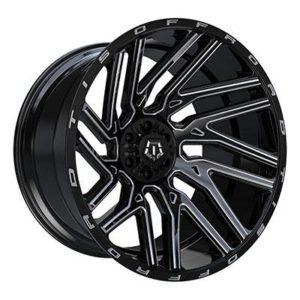
TIS Offroad 554BM Series Wheel, 20×10 with 6 on 5.5 Bolt Pattern – Black/Milled – 554BM-2106819
 Tires & Wheels, Wheels
TIS Offroad 554BM Series Wheel, 20×10 with 6 on 5.5 Bolt Pattern – Black/Milled – 554BM-2106819
- 20 x 10 inch black milled aluminum directional wheel
- Main bolt pattern 6 on 5.5, second entry 6 on 135
- Offset -19, center bore 108, backspacing 4.75
- Part number TIS554BM-2106819, Universal Fit with no vehicle named
SKU: TIS554BM-2106819 -
Tires & Wheels, Wheels
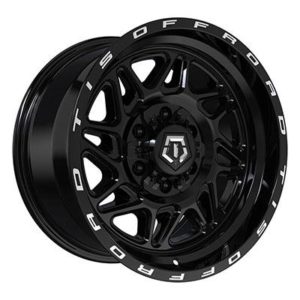
TIS Offroad 552B Series Wheel, 20×12 with 6 on 5.5/6 on 135 Bolt Pattern – Black – 552B-2126844
 Tires & Wheels, Wheels
TIS Offroad 552B Series Wheel, 20×12 with 6 on 5.5/6 on 135 Bolt Pattern – Black – 552B-2126844
- 20 x 12 inch black aluminum directional wheel
- Main bolt pattern 6 on 5.5/6 on 135, second entry 6 on 135
- Offset -44, center bore 108, backspacing 4.77
- Part number TIS552B-2126844, Universal Fit with no vehicle named
SKU: TIS552B-2126844 -
Tires & Wheels, Wheels
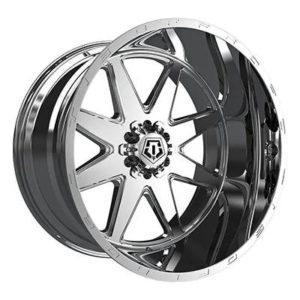
TIS Offroad 551P Series Wheel, 22×12 with 5 on 5/5 on 5.5 Bolt Pattern – Polished – 551P-2220944
 Tires & Wheels, Wheels
TIS Offroad 551P Series Wheel, 22×12 with 5 on 5/5 on 5.5 Bolt Pattern – Polished – 551P-2220944
- 22 x 12 inch polished aluminum spoke wheel
- Two bolt pattern entries: 5 on 5/5 on 5.5 and 5 on 5.5/139.7
- Offset -44, center bore 78, backspacing 4.77
- Part number TIS551P-2220944, Universal Fit with no vehicle named
SKU: TIS551P-2220944 -
Tires & Wheels, Wheels
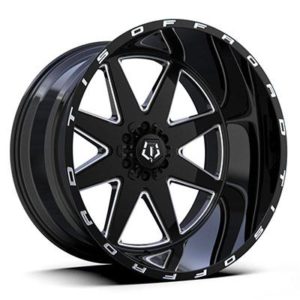
TIS Offroad 551BM Series Wheel, 22×12 with 6 on 5.5 Bolt Pattern – Black/Milled – 551BM-2226844
 Tires & Wheels, Wheels
TIS Offroad 551BM Series Wheel, 22×12 with 6 on 5.5 Bolt Pattern – Black/Milled – 551BM-2226844
- TIS Offroad 551BM 22-inch aluminum spoke wheel, 12-inch width
- Black milled finish, part number TIS551BM-2226844
- Bolt pattern 6 on 5.5, with 6 on 135 also listed
- Offset -44, center bore 108, backspacing 4.77
- Universal fit, with no specific vehicle tied to it
SKU: TIS551BM-2226844 -
Tires & Wheels, Wheels
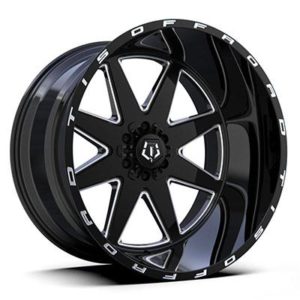
TIS Offroad 551BM Series Wheel, 20×10 with 8 on 180 Bolt Pattern – Black/Milled – 551BM-2108925
 Tires & Wheels, Wheels
TIS Offroad 551BM Series Wheel, 20×10 with 8 on 180 Bolt Pattern – Black/Milled – 551BM-2108925
- Spoke design in black milled finish, 20 x 10 inches
- 8 on 180 bolt pattern with Universal Fit label, no vehicle named
- Offset -25, center bore 124.3, backspacing 4.52
- Part number TIS551BM-2108925 from the 551 Series
SKU: TIS551BM-2108925
Start with the bolt pattern and center bore
Every wheel is defined first by its bolt pattern, written as lug count and circle diameter, such as 6 on 5.5 or 8 on 170. It has to match your hub exactly. The center bore must be equal to or larger than the hub's pilot diameter. A larger bore is common on aftermarket wheels and is handled with hub-centric rings.
Diameter, width and tire size
Wheel diameter sets which tire sizes you can mount, and width limits how wide a tire stays safe on the bead. As a general rule, a tire should be mounted on a rim within the range the tire maker lists for that tire size. A 17x9 wheel suits a different tire than a 20x10. Larger diameters look sharp but leave less sidewall, which gives up some cushioning and air-down ability on the trail.
Offset and backspacing
Offset is the distance from the wheel's mounting face to its centerline. Zero offset puts the face on the centerline, positive offset tucks the wheel inward and negative offset pushes it outward. Backspacing is measured from the mounting face to the back edge of the rim. More negative offset gives a wider stance, but it can rub fenders, change scrub radius and add load on wheel bearings and steering parts. Compare your stock offset with the wheel you are considering and check clearance at full lock and full compression.
Construction and finish
- Cast aluminum is the common choice for street and trail use.
- Forged and flow-formed designs are generally lighter for a given strength.
- Steel wheels are heavier but are easy to straighten and are popular for rock crawling and utility use.
- Beadlock-style rings are for off-road use, and rules for street use vary.
Fitment and installation notes
Listings may say Universal Fit, which usually means the wheel is built to a bolt pattern and not to a specific vehicle. Confirm fitment for your exact year, make and model, along with brake caliper clearance and the manufacturer's specifications. Have the wheels mounted and balanced by a tire shop. Torque lug nuts to the vehicle's specification in a star pattern, and recheck after the first 50 miles. Check that your lug nuts use the seat type the wheel needs, usually conical or flat. Many aftermarket wheels need different hardware than the factory nuts.
Common mistakes to avoid
Do not choose a wheel on looks alone. Confirm that the brake calipers clear the inside of the spokes, since larger calipers on some trucks need a specific barrel profile. Check the load rating stamped on the wheel, which matters for heavy trucks, trailers and loaded overland rigs. Mixing wheels with a different offset front to rear can change handling. Finally, inspect the wheel after hard trail use for bent lips, cracks near the hub and slow air leaks at the bead, because a small bend can cause a vibration that is often blamed on tire balance. Keep the mounting surface clean and free of rust before installing, since debris there lets lug nuts loosen over time.
Popular Wheels brands
- FUEL Off-Road (632)
- Method Race Wheels (416)
- Pro Comp Alloy Wheels (303)
- Pro Comp Steel Wheels (82)
- Raceline Wheels (72)
- ICON Vehicle Dynamics (65)
- Mickey Thompson (47)
- 4 Wheel Parts (30)
- TIS Offroad (29)
- Lrg Rims (16)
- Black Rhino Wheels (15)
- Dick Cepek (8)
Wheels FAQ
What does 6 on 5.5 mean on a wheel?
It means six lug holes on a circle 5.5 inches across, which is also written as 6x139.7 millimeters. The pattern must match your vehicle's hub exactly. Wheels with a different pattern will not seat properly, even if they look close.
What is wheel offset?
Offset is the distance from the mounting surface to the wheel's centerline, measured in millimeters. Positive offset sits the wheel closer to the vehicle, negative offset pushes it outward. It controls stance, tire clearance and steering geometry, so compare it against your factory wheel.
Do I need hub-centric rings?
If the wheel's center bore is larger than your hub's pilot diameter, rings fill the gap so the wheel centers on the hub and not on the lug nuts. This helps prevent vibration. Many aftermarket off-road wheels use a larger bore, so check the spec.