

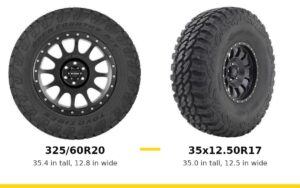
325/60R20 is 35.4 inches tall and 12.8 wide. The tire size formula, a chart of 24 off-road sizes in inches, speedometer error and regearing…
Tires & Wheels
Showing 349–360 of 2982 resultsSorted by popularity
-
-
Tires
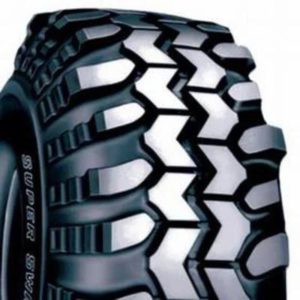
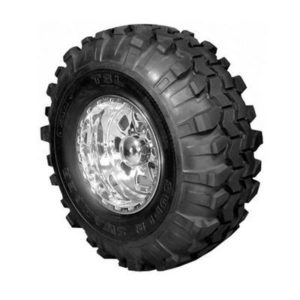
Super Swamper 28x8.50-14 Tire, TSL – SAM-06
- Super Swamper TSL 28×8.50-14 bias ply mud terrain tire
- Part number SSTSAM-06
- Tire width 8.5, tire height under 30, rim diameter 14 inches
- Patented TSL tread with massive lugs in three lengths
- No vehicle fitment listed, so check width and rim together
SKU: SSTSAM-06 -
Tires
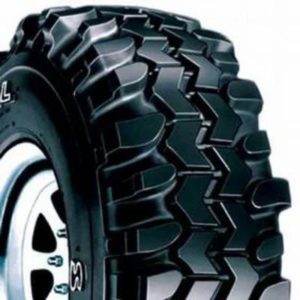
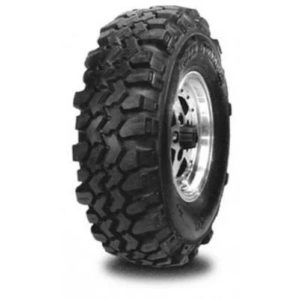
Super Swamper 27x9.50R15LT Tire, SSR Radial – SSR-03R
- Super Swamper SSR Radial 27×9.50R15LT light truck radial tire
- Part number SSTSSR-03R
- Tire width 9.5, tire height under 30, rim diameter 15 inches
- Siping for wet pavement traction and icy conditions
- No vehicle fitment listed, so check the 15-inch rim first
SKU: SSTSSR-03R -
Tires
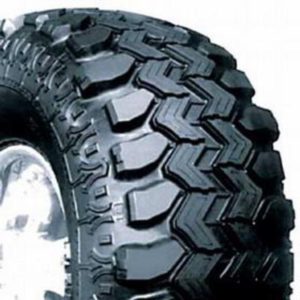
Super Swamper 27x9.50R14LT Tire, SSR Radial – SSR-02R
- Super Swamper SSR Radial 27×9.50R14LT light truck tire with mud terrain tread
- Part number SSTSSR-02R from Super Swamper Tires
- Tire width 9.5 and rim diameter 14 inches
- Siping for wet pavement traction and icy conditions
- Described by the manufacturer as quieter running
SKU: SSTSSR-02R -
Tires
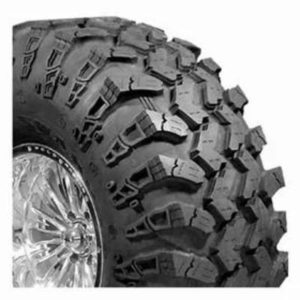
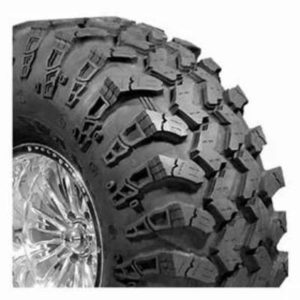
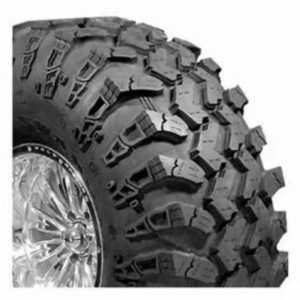
Super Swamper 21/49-20LT Tire, IROK Bias Ply – I-822
- Super Swamper IROK 21/49-20LT bias ply mud terrain tire
- Part number SSTI-822
- Listed tire width 16, tire height over 40, rim diameter 20 inches
- Three Stage Lug tread for mud, snow and rock climbing
- No vehicle fitment listed, so size by the 20-inch rim
SKU: SSTI-822 -
Tires
Super Swamper 21/49-16.5LT Tire, IROK Bias Ply – I-823
- Super Swamper IROK 21/49-16.5LT bias ply mud terrain tire
- Part number SSTI-823
- Tire width 16.5, tire height over 40, rim diameter 16.5 inches
- Directional Three Stage Lug tread with scooped lugs
- No vehicle fitment listed, so size by rim diameter
SKU: SSTI-823 -
-
Tires
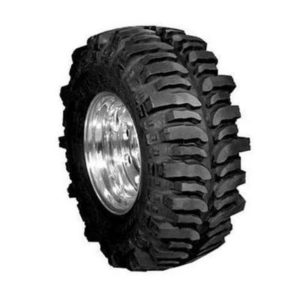
Super Swamper 16/40-15LT Tire, LTB – LTB-205
- Super Swamper LTB 16/40-15LT bias ply mud terrain tire
- Part number SSTLTB-205, tire size 40×16/15LT
- Tire width 16, tire height 40, rim diameter 15 inches
- Three Stage Lug design, a little more aggressive than the TSL
- No vehicle fitment listed, so compare the 15-inch rim first
SKU: SSTLTB-205 -
Tires
Super Swamper 15/42-17LT Tire, TSL Bias – SAM-88
- Super Swamper TSL 15/42-17LT bias ply mud terrain tire
- Part number SSTSAM-88
- Tire width 15, tire height over 40, rim diameter 17 inches
- Patented TSL tread with short, intermediate and long lugs
- No vehicle fitment listed, so check the rim before choosing
SKU: SSTSAM-88 -
Tires
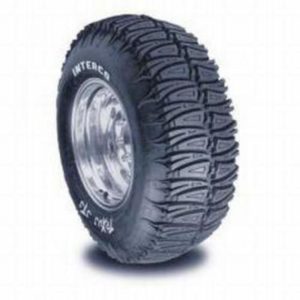
Super Swamper 15/39.5-20LT Tire, TrXus STS Bias Ply – STS-20
- Super Swamper TrXus STS Bias Ply all-terrain tire, part number SSTSTS-20
- Sized 15/39.5-20LT with a 20-inch rim diameter
- Three Stage Sidewall design for street and off-road use
- Universal Fit designation, with no specific vehicles named
SKU: SSTSTS-20 -
Tires
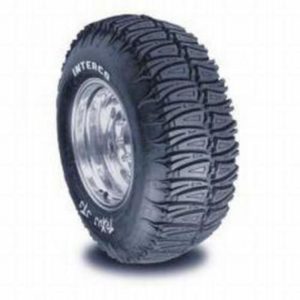
Super Swamper 15/39.5-15LT Tire, TrXus STS Bias Ply – STS-16
- Super Swamper TrXus STS 15/39.5-15LT bias ply all-terrain tire
- Part number SSTSTS-16
- Tire width 15, tire height 40, rim diameter 15 inches
- Three Stage Sidewall (STS) design for street and off-road use
- No vehicle fitment listed, so check rim and tire size first
SKU: SSTSTS-16 -
Tires
Super Swamper 14/42-17LT Tire, IROK Bias Ply – I-816
- Super Swamper IROK 14/42-17LT bias ply mud terrain tire
- Part number SSTI-816
- Tire width 14, rim diameter 17 inches, tire height over 40
- Three Stage Lug directional tread with scooped lugs and molded siping
- No vehicle fitment listed, so match the tire size to your wheels
SKU: SSTI-816
Start with the tire
Tire choice drives everything else, so settle it first. All-terrain tires suit trucks that spend most of their miles on pavement with regular dirt roads and light trails. Mud-terrain tires have deeper, more widely spaced lugs that clear mud and grip rock, but they are louder and wear faster on the highway. Hybrid or rugged-terrain designs sit between the two. Look at the load range and ply rating too: heavier trucks and trailer towing call for an LT-metric tire with a higher load range.
Reading tire and wheel sizes
A size such as 35x12.50R18 means a roughly 35 inch overall diameter, a 12.5 inch tread width, radial construction, and an 18 inch rim. Metric sizes like LT265/65R17 express width in millimeters and sidewall height as a percentage of that width. Convert between the two before comparing, because a tire listed in inches can be taller than it looks. Wheel listings add diameter, width, offset, backspacing, center bore, and bolt pattern, and every one of those needs to match your vehicle.
- Bolt pattern: lug count and circle diameter, such as 5 on 4.5 or 8 on 6.5. It must match the hub exactly.
- Offset and backspacing: these set how far the wheel and tire sit in or out. Too much poke can rub fenders and stress bearings.
- Center bore: the wheel bore must fit the hub, or the wheel needs hub-centric rings.
- Load rating: the wheel and tire should each carry the axle weight of your loaded vehicle.
Fit, clearance, and gearing
Larger tires change more than appearance. Taller tires lower your effective gear ratio, can throw off the speedometer, and may call for re-gearing on heavier trucks. Check clearance at full steering lock and at full suspension compression, since rubbing often appears only when the suspension is flexed. A leveling kit, lift, trimmed fender liners, or fender flares may be needed for bigger sizes. Spacers and adapters can correct a clearance or bolt pattern problem, but use quality hub-centric parts and verify stud length.
Installation and care
Have wheels mounted and balanced by a shop that can handle your tire size, and tighten lug nuts to the vehicle manufacturer's torque specification in a star pattern. Recheck torque after the first 50 miles or so. Tire pressure monitoring sensors may need to be moved or reprogrammed. Rotate tires on a regular schedule, and consider a full-size spare that matches your set. Lift, tire size, and wheel offset rules vary by state, so check local regulations.
Always confirm fitment for your exact year, make, and model against the manufacturer's specifications before choosing a size.
Mistakes to avoid
The most common error is buying on looks alone. Confirm that the wheel's load rating covers your vehicle's axle weight, because some decorative wheels are rated lighter than heavy trucks need. Do not assume a wheel that bolts on is hub-centric, and never rely on lug nuts to center a wheel with a larger bore. Check that your lug nuts match the seat type of the new wheel, since conical, ball, and flat seats are not interchangeable. Beware of mixing tire sizes or tread patterns between axles on four-wheel-drive vehicles, since differing rolling diameters strain the transfer case and differentials. Finally, mount a tire only on a wheel width within the tire maker's approved range, which is listed for each tire size.
Related guides
- 325/60R20 in Inches: Tire Size Math Made Simple
Popular Tires & Wheels brands
- FUEL Off-Road (636)
- Method Race Wheels (417)
- Pro Comp Alloy Wheels (357)
- Toyo Tires (212)
- Mickey Thompson (192)
- Gorilla Automotive (139)
- BF Goodrich Tires (125)
- Super Swamper Tires (113)
- Pro Comp Steel Wheels (82)
- Nitto (80)
- Raceline Wheels (72)
- Falken (71)
Shop Tires & Wheels by type
- Wheels (1,731)
- Tires (972)
- Tire & Wheel Accessories (261)
Tires & Wheels FAQ
What is the difference between all-terrain and mud-terrain tires?
All-terrain tires balance on-road manners with light off-road traction. Mud-terrain tires use larger, more open tread blocks that clear mud and bite on rock, but they usually run louder and wear faster on pavement. Pick based on where you spend most of your miles.
How do I find my vehicle's bolt pattern?
The bolt pattern is the lug count and the circle diameter they sit on, such as 5 on 4.5 inches. It is listed in your owner's manual and by the manufacturer. A mismatched pattern will not seat safely, so confirm it before choosing wheels.
Will bigger tires affect my speedometer?
Yes. A taller tire covers more ground per revolution, so the speedometer reads lower than your true speed. The odometer is affected too. Many owners recalibrate with a programmer or the vehicle's computer, and heavier trucks often benefit from re-gearing.
Do I need a lift to fit larger tires?
Often, yes, though it depends on the vehicle and the tire. Small increases may fit with a leveling kit or trimming, while 35 inch and larger tires usually need added suspension height. Check clearance at full steering lock and full compression.