
Steering Stabilizer Bracket
Showing 13–24 of 43 resultsSorted by popularity
-
-
Steering Stabilizer Bracket
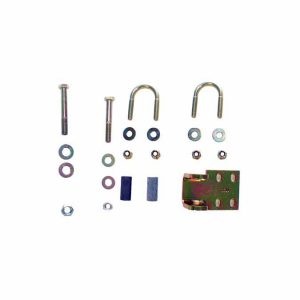
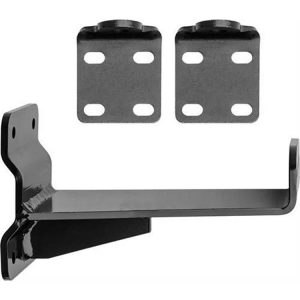
Rancho Steering Stabilizer Bracket – RS5545
- Rancho RS5545 steering stabilizer bracket for RS6246, RS6545, RS6546 or RS6547 setups
- Fits 1999–2007 Chevrolet and GMC 1500 trucks and SUVs
- Brackets included; shock boot not included
- Part number RS5545, UPC 39703554503
SKU: RANRS5545 -
-
-
-
-
-
-
Steering Stabilizer Bracket
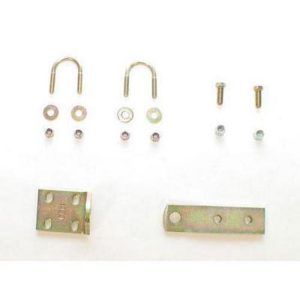
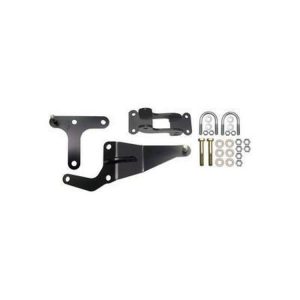
Dual Steering Stabilizer Bracket Kit
- Icon Suspension 32170 dual steering stabilizer bracket kit
- Fits 1999–2004 Ford F-250 and F-350 Super Duty trucks
- Fits 2000–2005 Ford Excursion models
- One shock in front of the factory tie rod, one behind it
- Stabilizers listed separately
SKU: ICO32170 -
-
-






What the bracket does
A steering stabilizer is a hydraulic damper that links the axle to the steering linkage. It calms steering wheel shake and tire-induced kickback, which becomes more noticeable with larger tires and lift kits. The stabilizer itself is only useful if it is mounted securely, and that is the job of the bracket. A weak or poorly positioned bracket can bend, loosen or crack, which makes the stabilizer ineffective and can damage nearby parts.
Bracket types
- Single stabilizer brackets: hold one damper, usually bolted to the axle tube or a clamp on the tie rod or drag link.
- Dual stabilizer brackets: allow two dampers, typically for larger tires or heavy-duty setups.
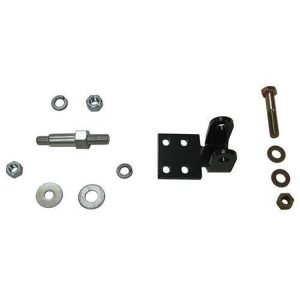
- Axle-mounted bolt-on kits: mount at an existing axle bolt location and include hardware.
- Tie rod and drag link clamps: attach to the steering linkage end of the damper.
How to choose
The right bracket depends on your axle, steering layout and the stabilizer you will use. Check whether your front axle uses a traditional parallel linkage, an inverted-T design or an aftermarket steering conversion, since one bracket will not fit all of them. Look at the bolt pattern and axle tube diameter, and confirm that the bracket location does not interfere with the tire at full lock, the track bar, the differential cover or the skid plate. If you run a high-steer or a crossover system, make sure the bracket is designed for that geometry.
Specs to compare
- Single or dual capacity and the stabilizer mounting stud size.
- Material and hardware grade. Grade 8 hardware is common in quality kits.
- Fitment details: axle brand, tube diameter, lift range or steering style.
- Finish, such as powder coat, for corrosion resistance.
Installation and safety notes
Steering parts are safety critical. Use the supplied hardware, torque it to the manufacturer's specification, and have it checked after the first few miles. After mounting, turn the wheel lock to lock and confirm there is no binding, rubbing or interference. A stabilizer should not be used to hide worn tie rod ends, ball joints, loose bearings or a bent linkage, so inspect and repair those first. Professional installation or an alignment is recommended if you are unsure.
Confirm fitment for your exact year, make, model and steering setup, and read the manufacturer's specifications. Some listings include footnotes about application, so read them carefully before choosing.
Choosing the stabilizer to match
The bracket is only half of the system, so pick the damper with the bracket in mind. Compare the stud size, the length extended and compressed, and the mounting style at each end. Make sure the damper's stroke is long enough to cover the full steering travel from lock to lock without bottoming out or topping out, which can damage the stabilizer or bracket.
If you change tire size, lift height or add a steering upgrade, recheck the geometry. A bracket that was perfect with the stock setup may now sit at the wrong angle, causing the damper to bind. Periodically look over the bracket welds, bolts and clamps for cracks or looseness. A stabilizer that leaks or has lost its resistance should be replaced, and a clamp that slips on the tie rod can mark the tube and weaken it over time.
Popular Steering Stabilizer Bracket brands
- Pro Comp Suspension (21)
- Rancho (9)
- TeraFlex (5)
- Bd Diesel (4)
- Rubicon Express (3)
- Icon Suspension (2)
- ARB 4x4 Accessories (1)
- Rock Hard 4x4 Parts (1)
- Rugged Ridge (1)
- Rough Country (1)
Steering Stabilizer Bracket FAQ
Will a steering stabilizer fix death wobble?
Not by itself. Death wobble is usually caused by worn or loose components such as track bar bushings, ball joints or tie rod ends. A stabilizer may mask the symptom, so inspect and repair the underlying problem first.
What is the difference between single and dual stabilizer brackets?
A single bracket holds one steering damper, while a dual bracket holds two for added damping. Dual setups are common with large tires or heavier steering loads. Choose based on your vehicle, linkage and intended use.
Do I need a special bracket for inverted-T steering?
Often, yes. Inverted-T steering has a different linkage position, so brackets are designed for that layout. Check the product description for the steering style, and confirm fitment for your axle and vehicle.
Can I install a steering stabilizer bracket myself?
Many owners do with basic tools, but steering is safety critical. Follow the torque specifications, check clearances at full lock and have the work inspected if you are unsure. Consider professional installation for added confidence.