




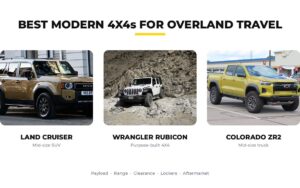
Twelve current 4X4s judged the overland way: payload, range, clearance, lockers, roof load and aftermarket support, with the numbers from each maker.
Overlanding & Camping
Showing 73–84 of 161 resultsSorted by popularity
-
Backpacks & Storage Bags
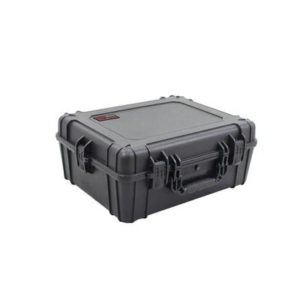
Go Rhino Xventure Gear Hard Case (Large) – XG252010
- Go Rhino Xventure Gear Hard Case (Large), part number XG252010
- IP67 waterproof rating with a UV-safe PPC Thermoplastic shell
- Finger-safe flex latches, rubberized handles and a stackable design
- Automatic air pressure release valve and padlock provision
- Universal fit per the brand, with optional 4-CORE rail mount
SKU: ORPXG252010 -
Backpacks & Storage Bags
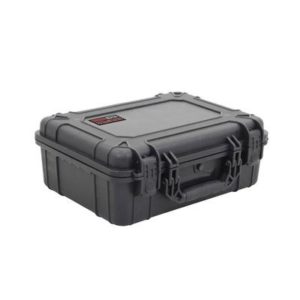
Go Rhino Xventure Gear Hard Case (Large) – XG201608
- Go Rhino Xventure Gear Hard Case (Large), part number XG201608
- IP67 waterproof rating with an injection-molded PPC Thermoplastic shell
- Finger-safe flex latches and rubberized handles
- Padlock provision and automatic air pressure release valve
- Universal fit per the brand, with no specific vehicles named
SKU: ORPXG201608 -
-
Backpacks & Storage Bags
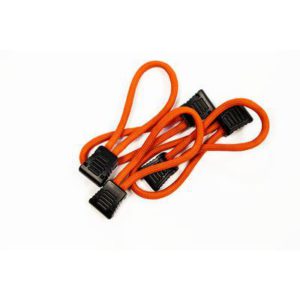
Fishbone Offroad Paracord 5-Piece Zipper Pulls (Mango) – FB51279-2
- Fishbone Offroad Paracord 5-Piece Zipper Pulls, part number FB51279-2
- Five durable paracord pulls in mango
- Helps you grip zippers on soft tops that have hardened in the sun
- Universal fit, not tied to a specific vehicle
SKU: FISFB51279-2 -
Backpacks & Storage Bags
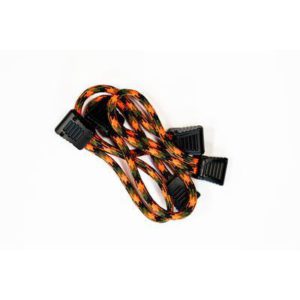
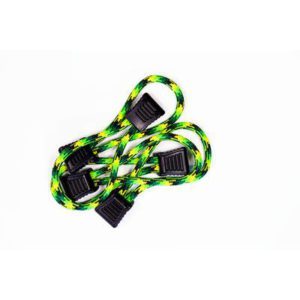
Fishbone Offroad Paracord 5-Piece Zipper Pulls (Chameleon) – FB51279-H
- Fishbone Offroad Paracord 5-Piece Zipper Pulls in Chameleon
- Part number FISFB51279-H
- Made from durable ParaCord
- Attaches to soft tops, book bags and pants, per the brand
- Stated fitment: Universal Fit
SKU: FISFB51279-H -
Backpacks & Storage Bags
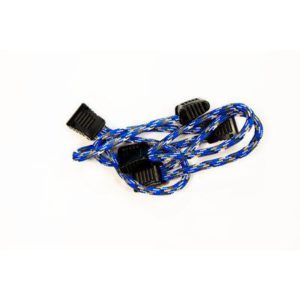
Fishbone Offroad Paracord 5-Piece Zipper Pulls (Blue Camo) – FB51279-X
- Fishbone Offroad Paracord 5-Piece Zipper Pulls in Blue Camo
- Part number FISFB51279-X
- Durable ParaCord construction
- Attaches to soft tops, book bags and pants, per the brand
- Stated fitment: Universal Fit
SKU: FISFB51279-X -
Overland Racks
Fab Fours Overland Rack Single Cross Member (Black) – JTOR-03-1
- Single cross member for the Fab Fours Overland Rack, model JTOR-03-1
- Made for 2020–2026 Jeep Gladiator (JT) models
- 2-stage black powder coat over 11 GA U.S. steel
- Adds floor coverage and tie-down points to the rack
- Weight 10 lb, made in the USA
SKU: FFIJTOR-03-1 -
Overland Racks
Fab Fours Overland Rack Extension (Black) – JTOR-02-1
- Roof extension for the Fab Fours Overland Rack, model JTOR-02-1
- Made for 2020–2026 Jeep Gladiator (JT) models
- 11 GA steel construction with an expandable design
- Integrated pod mounts and multiple tie-down points
- Made in the USA
SKU: FFIJTOR-02-1 -
Overland Racks
Fab Fours Overland Rack Additional Cross Member (Black) – TTOR-02-1
- Additional cross member for the Fab Fours Overland Rack, model TTOR-02-1
- Made for 2016–2023 Toyota Tacoma models
- 11 GA plate U.S. steel with a 2-stage black powder coat finish
- Adds floor coverage and tie-down points to the rack
- Weight 10 lb, made in the USA
SKU: FFITTOR-02-1 -
-
Outdoor Cooking

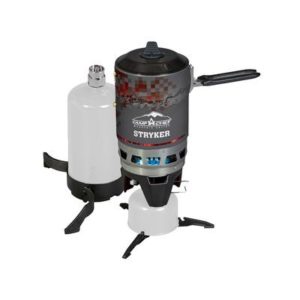
Camp Chef Stryker 200 High Efficiency Dual Fuel Backpacking Stove – Anodized Aluminum (Red Camo) – MS200
 Outdoor Cooking
Camp Chef Stryker 200 High Efficiency Dual Fuel Backpacking Stove – Anodized Aluminum (Red Camo) – MS200
- Camp Chef Stryker 200 multi-fuel backpacking stove, part number CCFMS200
- Runs on propane or butane
- Heat Ring technology boils half a liter of water in two minutes
- 1.3-liter pot, three-legged stand and lid pack into one mesh carry bag
- Universal fit: a backpacking stove, not a vehicle part
SKU: CCFMS200
Building an overland setup
Overlanding is vehicle-supported travel where the route is as much the goal as the destination. A workable setup covers four needs: shelter, food and water, storage and organization, and carrying capacity. Start with how many days you want to be self-sufficient and how many people travel, then add gear in that order instead of buying everything at once.
Shelter and shade
Awnings attach to a roof rack or bar system and give shade or rain cover along one side of the vehicle. Some accept wall panels or annexes that turn them into an enclosed space. Roof top tents and truck or SUV tents offer a sleeping option; roof top tents add weight on the roof, so check the static load rating of your rack and the roof limit in your owner's manual.
- Check the packed size and weight.
- Look at fabric weight and waterproof ratings for your climate.
- Confirm the mounting hardware is compatible with your rack.
Food, water and cooking
A 12-volt fridge freezer keeps food cold without ice, but it draws power, so think about your battery setup and whether you need a dual battery or portable power station. Consider fuel type and wind protection for stoves, and pack water containers that fit your storage layout.
Storage and carrying capacity
Weatherproof luggage bags, drawer systems and roof-mounted cargo carriers keep gear dry and organized. Keep heavy items low and near the vehicle's centerline, secure everything with rated tie-downs, and stay within the payload rating of your vehicle. Overland racks and truck bed racks extend usable space but add weight and wind resistance.
Every item you add changes the load. Add up the weight of tents, water, fuel, a fridge and recovery gear, and compare the total with your vehicle's payload rating on the door jamb label. Water is heavy at roughly eight pounds per gallon, so carry it low. If you run a fridge or lights from the vehicle's electrical system, fuse each circuit properly and consider a dedicated battery so you can still start the engine at the end of a long camp stay.
Fitment and compatibility
Many items here are universal fit, but racks, mounts and awning brackets can depend on the vehicle and the existing rack system. Confirm fitment for your exact year, make and model, and check the manufacturer's specifications for loads and mounting requirements before a trip. Test your setup at home before heading out.
A good habit is to test every piece of gear before you leave. Set up the awning and tent in the driveway, run the fridge overnight, light the stove and check that your storage bags actually fit the vehicle with the rear seats in use. Keep a packing list sorted by category and weigh heavy items if you are close to payload limits. Leave no trace principles apply: pack out your trash, use established sites and follow fire restrictions, which can change quickly in dry seasons. Carry basic recovery gear, a first aid kit, a paper map and extra water in addition to the camp equipment, because a comfortable camp does not help if you cannot reach it or get back out. Finally, check regulations for the land you plan to visit, since permits and camping rules vary.
Related guides
- The Best Modern 4X4s for Overland Travel
Popular Overlanding & Camping brands
- Smittybilt (32)
- ARB 4x4 Accessories (28)
- AO Coolers (10)
- Rhino-Rack USA (10)
- H3R Performance (10)
- Rightline Gear (9)
- Thule (8)
- Rampage (7)
- Rockagator (6)
- Camp Chef (5)
- Fab Fours (5)
- Jeep (4)
Shop Overlanding & Camping by type
- Camping Gear (67)
- Tents and Awnings (53)
- Backpacks & Storage Bags (25)
- Overland Racks (10)
- Outdoor Cooking (6)
Overlanding & Camping FAQ
What do I need to start overlanding?
A reliable, well-maintained vehicle, basic recovery gear, navigation, water, food and a way to sleep. Add storage, shade and a fridge as your trips get longer. Practice setting everything up at home first.
Can my roof support a roof top tent?
Check two numbers: your vehicle's roof load limit and your rack's static rating. Both must exceed the tent's weight plus occupants and gear when parked. Dynamic limits apply while driving, and are usually lower.
How do I power a camping fridge?
Most 12-volt fridges plug into the vehicle's accessory outlet, but a dedicated, fused circuit is better. For long stays, a second battery or portable power station prevents draining the starting battery.
Do I need an awning if I have a tent?
Not strictly, but an awning provides shade and a dry area for cooking and gear. It attaches to a rack or bar system on the vehicle, so confirm your rack's mounting compatibility.