
Seat Covers
Showing 133–144 of 244 resultsSorted by popularity
-
Seat Covers
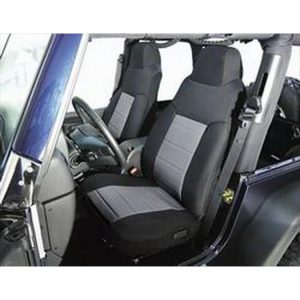
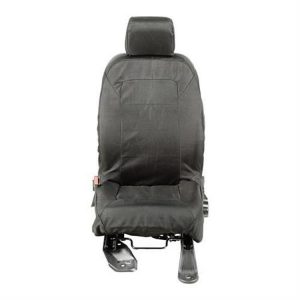
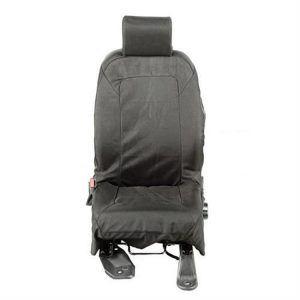
Rugged Ridge Fabric Front Seat Covers (Black/Gray) – 13243.09
- Rugged Ridge fabric front seat covers, part number 13243.09, gray on black
- Fits 2004–2006 Jeep Wrangler LJ and 2003–2006 Jeep Wrangler TJ models
- Slip-on design with elastic straps and hooks
- Poly cotton, UV treated; 2003-2006 center section stops before the headrest
SKU: RUG13243.09 -
Seat Covers
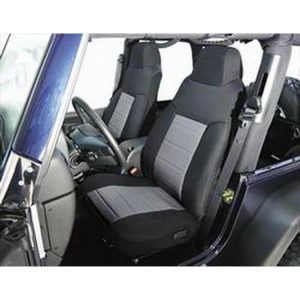
Rugged Ridge Custom Fabric Front Seat Covers (Black/Gray) – 13241.09
- Rugged Ridge custom fabric front seat covers, part number 13241.09, black and gray
- Fits 1991-1995 Jeep Wrangler (YJ) models
- UV treated poly cotton fabric with elastic cords, nylon straps and hooks
- Center color panel runs to the top of the seat
SKU: RUG13241.09 -
Seat Covers
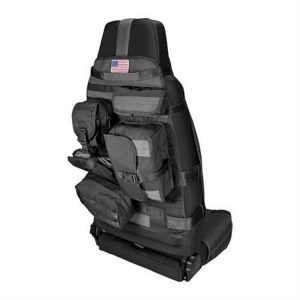
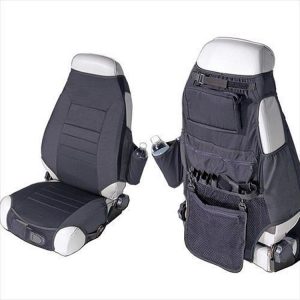
Rugged Ridge Front Cargo Seat Cover – 13236.01
- Rugged Ridge front cargo seat cover, part number 13236.01, black
- Jeep CJ5, CJ7, Scrambler, Wrangler YJ, TJ and JK models, years 1976–2018
- 600 denier polyester with a PVC liner on the seating area
- Molle Pals system carrying 7 removable pouches
SKU: RUG13236.01 -
Seat Covers
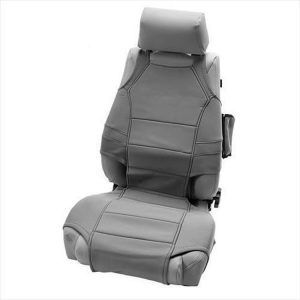
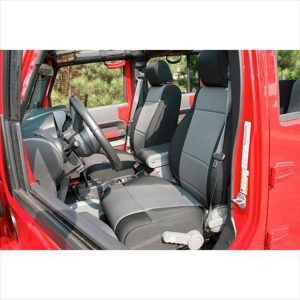
Rugged Ridge Neoprene Front Seat Covers (Black/Gray) – 13235.22
- Neoprene front seat covers for 2007–2018 Jeep Wrangler JK, direct fit
- Part number 13235.22, black/gray, wet suit neoprene
- Back pockets, a removable cup holder and a cushioned center portion
- Not waterproof; comes as a pair
SKU: RUG13235.22 -
Seat Covers
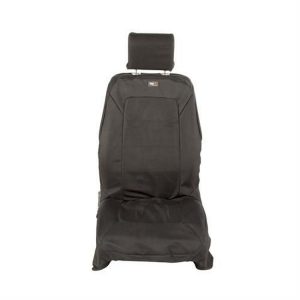
Rugged Ridge Fabric Seat Protectors (Black) – 13235.01
- Black poly cotton fabric seat protectors for the front seats
- Part number 13235.01 with rear storage and a removable drink holder
- UV-treated fabric, sold as a pair for the full front seating area
- Manufacturer fitment list names CJ, Scrambler, YJ, TJ and LJ Jeeps
SKU: RUG13235.01 -
-
-
Seat Covers
Rugged Ridge Elite Ballistic Heated Front Seat Covers (Black) – 13216.04
- Direct fit front seat covers with built-in dual-zone heating for the 2011–2018 Jeep Wrangler JK
- Part number 13216.04, black, 1200 denier ballistic weave fabric
- Three-position heat switch built into each cover, with an easy two-wire hookup
- Works with all factory side impact airbags; comes as a pair
SKU: RUG13216.04 -
Seat Covers
Rugged Ridge Elite Ballistic Heated Front Seat Covers (Black) – 13216.03
- Heated front seat covers for the 2007–2010 Jeep Wrangler JK, two and four door
- Part number 13216.03, black, Rugged Ridge, sold as a pair
- 1200 denier ballistic weave with dual-zone heating and a built-in three-position switch
- Works with all factory side impact airbags
SKU: RUG13216.03 -
-
-
Seat Covers
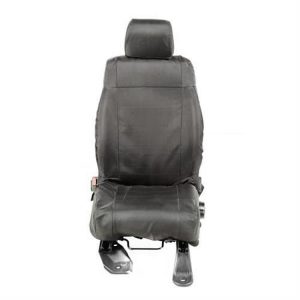
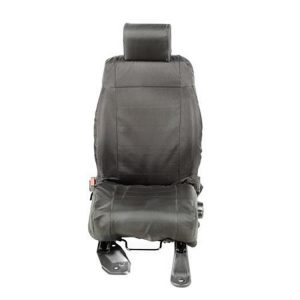
Rugged Ridge Neoprene Front Seat Covers (Black/Gray) – 13215.09
- Neoprene front seat covers for 2011–2018 Jeep Wrangler (JK) per the manufacturer fitment list
- Rugged Ridge part number 13215.09, black/gray
- Custom tailored to the original equipment seat style
- Mounts with elastic cords, nylon straps and hooks
- Not for leather seats; not waterproof
SKU: RUG13215.09

Why cover the seats
Off-road interiors take abuse that street cars never see: wet clothes, mud-caked boots, dogs, gear bags, and hours of sun with the top off. A good cover keeps the original upholstery clean and preserves resale value, and it can add grip and comfort that stock vinyl lacks.
This category includes custom-tailored front and rear sets, bench covers, seat vests, seat towels, and universal truck covers, so there is a range from full coverage to quick drop-in protection.
Materials compared
- Neoprene is water resistant, soft, and a common choice for wet or beach use. It can run warm in summer heat.
- Fabric and polyester covers breathe better and often resist fading when built with UV inhibitors.
- Polycanvas and heavy canvas trade softness for abrasion resistance, which suits work and trail use.
- Seat towels and vests are lighter, often machine washable, and add pocket storage.
Check whether a listing says waterproof or only water resistant. The two are not the same, and seams and zippers can still let moisture through.
Fit details that matter
Seat shapes differ by model year and trim, so look for the vehicle range in the listing, the number of doors, and whether the cover is for front, rear, or both. Rear seats may be split, solid bench, or fold-down, and a cover made for one will not suit another.
If your vehicle has side-impact airbags in the seats, look for covers that state airbag compatibility. Features such as separate headrest covers, map pockets, and strap-and-buckle systems also affect how snug the result looks. Confirm fitment for your exact year, make, and model before choosing.
Installation and care
Most covers install without tools, but fitted sets take patience. Park in the sun for a few minutes so the material softens, remove headrests, work the cover over the seat, and route straps under the seat carefully so they do not snag on wiring or seat-track hardware.
Wash according to the maker's instructions. Many neoprene covers can be wiped down or hand washed, while fabric styles may allow machine washing. Let covers dry fully before reinstalling to prevent odors and mildew.
Before ordering, sit in the vehicle and note the seat style. Check whether the front seats have manual or power adjusters, integrated headrests, or side airbags, because each changes which cover will work. For rear benches, measure the width and see whether the backrest folds as one piece or in a 60/40 split.
Color and pattern deserve some thought. Dark covers hide dirt, while light tan or gray shows trail dust but stays cooler in the sun. Covers with a camouflage or two-tone pattern are cosmetic, so look at material and fit first.
A few common mistakes: buying a universal cover for a seat with unusual bolsters, forgetting that rear seat covers may block seat-belt buckles, and leaving covers damp so mildew forms underneath. After installing, pull the cover snug and recheck the straps after the first week, since fabric relaxes with use. If you remove the covers for a while, store them flat and dry.
Popular Seat Covers brands
- Smittybilt (94)
- Bartact (43)
- Rugged Ridge (41)
- Bestop (26)
- Coverking (13)
- PRP Seats (7)
- Corbeau (6)
- INSYNC Business Solutions (5)
- RT Off-Road (5)
- Covercraft (3)
- Rough Country (3)
- Aries Offroad (3)
Seat Covers FAQ
Are seat covers safe with seat airbags?
Only if the cover is designed for it. Some custom covers state side-impact airbag compatibility, with stitching or openings that let the airbag deploy. Universal covers may not. Read the listing and the vehicle manual before installing.
Is neoprene better than fabric?
Neither is better in every case. Neoprene resists water and suits wet use, while fabric breathes better and can feel cooler in heat. Think about climate, how often seats get wet, and how much abrasion they take.
Will one cover fit both front seats?
Many sets are sold for the pair of front seats, but some products are sold individually or only for rear seats. Check the listing for quantity, seating position, and the vehicle years covered, and confirm fitment for your model.
Can I wash seat covers?
Often yes, but methods differ. Seat towels and fabric covers may be machine washable, while neoprene usually does better with hand washing and air drying. Follow the manufacturer's care label, and avoid high heat dryers.