
Engine & Transmission Cooling
Showing 25–36 of 40 resultsSorted by popularity
-
-
-
Auto Trans Oil Cooler
B&M Hi-Tek Automatic Transmission Cooling System – 70297
- B&M Hi-Tek automatic transmission cooler, part number 70297, with an electric fan
- Fin and plate construction
- Includes a 12 volt high flow fan and a thermal switch
- Pressure tested to 200 PSI, 1 year limited warranty
SKU: B/M70297 -
Coolant Hose Kit
Cooling System Kit
- Omix-Ada cooling system kit, part number 17118.21, for 4.2L six-cylinder CJ Jeeps
- Includes upper and lower radiator hoses, thermostat housing and 195 degree thermostat
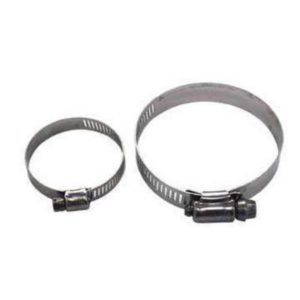
- Also includes gasket and four radiator hose clamps
- Fits 1972–1983 CJ5, 1972–1975 CJ6, 1976–1986 CJ7 and 1981–1985 Scrambler
SKU: OAI17118.21 -
-
Engine & Transmission Cooling
Omix-ADA Replacement Radiator Overflow Bottle and Cap – 17103.01
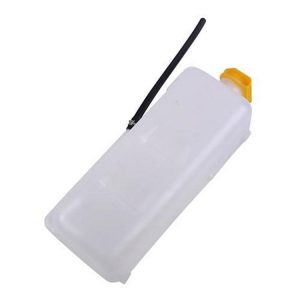
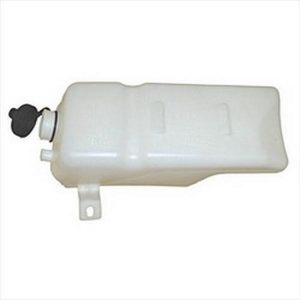
- Omix-ADA replacement radiator overflow bottle and cap, part number 17103.01
- One quart capacity, plastic with petcock drain
- Fits 1981–1983 CJ5, 1981–1986 CJ7, 1981–1985 Scrambler and 1987–1995 Wrangler YJ
SKU: OAI17103.01 -
-
-




Why cooling matters off-road
Slow crawling, towing, steep climbs and hot weather all push cooling systems hard, and airflow at low speed can be limited. Overheating can damage gaskets and the engine itself, and a transmission running too warm breaks down its fluid faster.
This category includes parts that help move heat away: radiators, fans, shrouds, hoses, engine oil coolers and wiring for temperature warnings.
Part types
- Radiators: aluminum designs, including ones made for specific diesel trucks, change core size and construction.
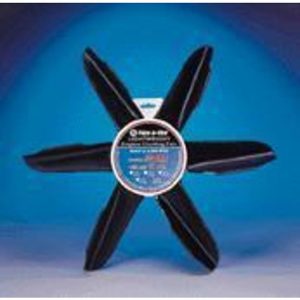
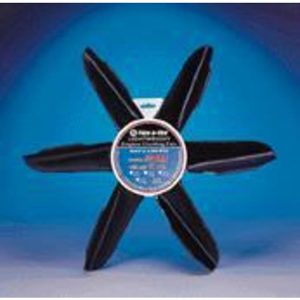
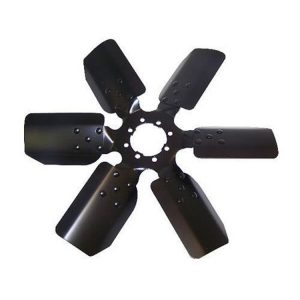
- Electric fans and blades: replace belt-driven fans and can free some engine load. Pay attention to diameter and voltage, since some are 12-volt and others 24-volt.
- Fan shrouds: direct air through the core, which is necessary for the fan to work efficiently.
- Silicone coolant hose kits: resist heat and age, though they must be installed with the correct clamps.
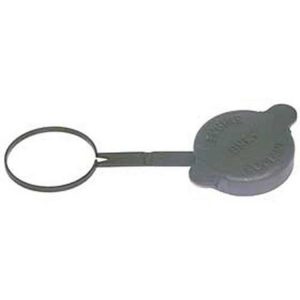
- Oil coolers and fill tube caps support engine and transmission cooling.
Choosing the right parts
Start with the vehicle application and the problem you are solving. A radiator with more cooling capacity helps a hot-running or towing vehicle, but a failing thermostat, a weak water pump or clogged fins may be the real cause. Diagnose before upgrading.
Check core thickness, fitment for the stock mounts, and compatibility with the factory shroud and transmission cooler lines. For electric fans, compare airflow rating, current draw and whether a relay and a controller are needed.
Installation notes
Never open a hot cooling system, since pressurized coolant can cause burns. Drain, refill and bleed the system according to the manufacturer's procedure and use the coolant type specified for your vehicle. Electric fans need properly sized wiring, a fuse and a relay.
Check for leaks after the first heat cycle and re-torque clamps as recommended. Confirm fitment for your exact year, make and model, and consider professional installation for radiators and transmission cooler lines.
Further checks and care
Signs your cooling system needs attention
Temperature gauge readings that climb on hills or in traffic, coolant loss with no visible leak, a sweet smell, steam or a transmission that runs hot while towing all point to a cooling problem. Check the radiator for bent fins, debris and mineral buildup. Hoses that feel soft or swollen should be replaced. Fixing small issues early is generally cheaper than repairing an overheated engine.
Materials, construction and sizing
Radiators are made with aluminum or copper-brass cores and plastic or aluminum tanks. Aluminum cores with welded tanks dissipate heat well and resist corrosion. Core thickness, number of rows and fin density influence cooling, but they must also suit the airflow and space available. Fan shrouds should seal around the core so air passes through it rather than around. Silicone hoses need compatible clamps and often a reinforced fabric layer.
Pairing parts and common mistakes
A new radiator works best with a good shroud, a functioning fan, the correct radiator cap pressure and fresh coolant mixed to the proper ratio. Mixing coolant types or using plain water in cold climates invites corrosion and freezing. A common mistake is adding an electric fan without a proper relay, which overloads the original wiring. Another is forgetting to bleed air, which causes hot spots and false gauge readings.
Popular Engine & Transmission Cooling brands
- Flex-A-Lite (13)
- Mishimoto (8)
- Crown Automotive (7)
- Omix-Ada (4)
- Mr. Gasket Company (2)
- Prothane (1)
- Be Cool (1)
- B&M (1)
- PSC Steering (1)
- Painless Wiring (1)
- Bd Diesel (1)
Shop Engine & Transmission Cooling by type
- Fan Blade (6)
- Coolant Recovery Tank Cap (4)
- Coolant Hose Kit (4)
- Auto Trans Oil Cooler (1)
- Radiator Support (1)
- Electric Fan Variable Speed Module (1)
- Indicator Lamp Harness (1)
Engine & Transmission Cooling FAQ
Is an electric fan better than a mechanical fan?
It depends. Electric fans can free some power and offer airflow at low engine speed, but they depend on the electrical system and correct wiring. Mechanical clutch fans move large volumes at high speed.
Do silicone hoses last longer than rubber?
They tolerate heat and aging well, but they are not maintenance free. Use proper clamps designed for silicone and check them regularly, because silicone can slip or weep if installed carelessly.
Will a bigger radiator stop my truck from overheating?
Only if capacity is the cause. Check the thermostat, water pump, fan, fluid and airflow first. An upgraded radiator then helps when the factory unit is borderline under towing or hard use.