
Mount Kits and Hardware
Showing 61–72 of 134 resultsSorted by popularity
-
Exterior Parts, Mount Kits and Hardware, Racks
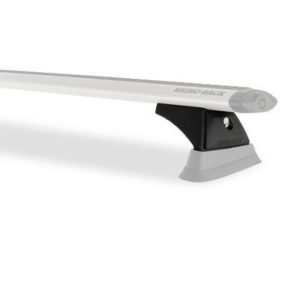
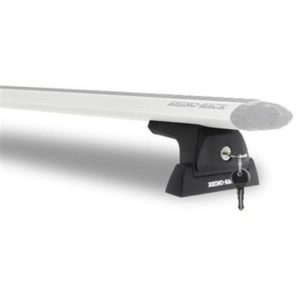
Rhino-Rack RCH Locking Legs – RCH4
- RCH Locking Legs, part number RHORCH4, from Rhino-Rack USA
- High profile legs with a key locking system
- Designed to reduce wind resistance and noise
- Set count to be confirmed before ordering
- Universal Fit, with no vehicle years or models listed
SKU: RHORCH4 -
Exterior Parts, Mount Kits and Hardware, Racks
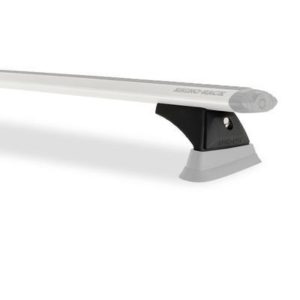
Rhino-Rack RCH Locking Leg (x6) – RCH6
- Set of six RCH locking legs, part number RHORCH6
- High profile design with a key locking system
- Designed to reduce wind resistance and noise
- Universal Fit designation from Rhino-Rack USA
- No vehicle years, makes or models named
SKU: RHORCH6 -
Exterior Parts, Mount Kits and Hardware, Racks
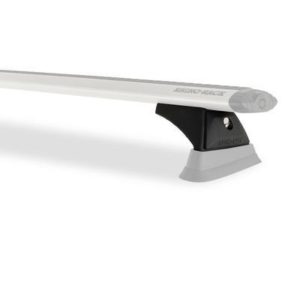
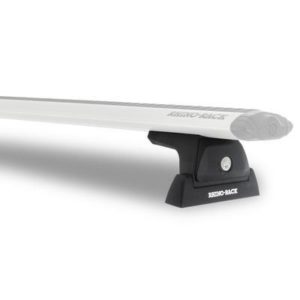
Rhino-Rack RCH Locking Leg – RCH2
- High profile RCH locking leg with a key locking system
- Designed to reduce wind resistance and noise
- Part number RHORCH2 from Rhino-Rack USA
- Durability and load carrying capacity noted by the brand
- Universal Fit, with no vehicle years or models named
SKU: RHORCH2 -
Exterior Parts, Mount Kits and Hardware, Racks
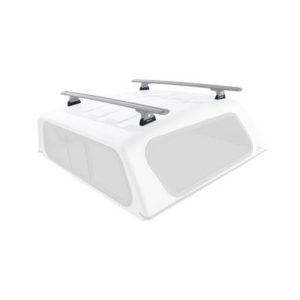
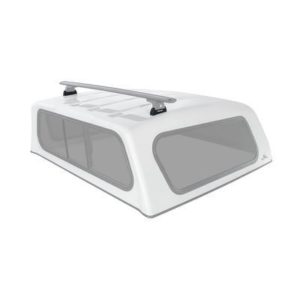
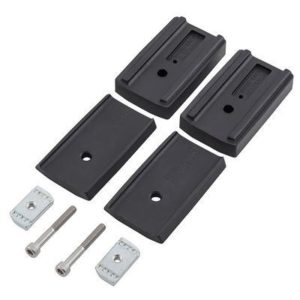
Rhino-Rack QuickMount Canopy Mount (x4) – QMCM01
- Four internal backing mounts for Quick Mount RLT600 legs
- Sized for two bars, two mounts per bar
- Foam pad supplied for cutting to size
- Part number RHOQMCM01 from Rhino-Rack USA
- Universal Fit, with no vehicle years or models named
SKU: RHOQMCM01 -
Exterior Parts, Mount Kits and Hardware, Racks
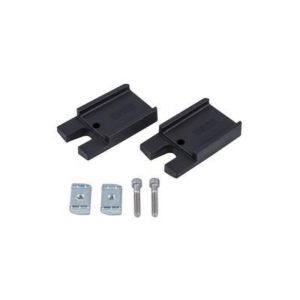
Rhino-Rack QuickMount Canopy Mount – QMCM02
- Fits a Quick Mount RLT600 leg to a canopy
- Part number RHOQMCM02 from Rhino-Rack USA
- Includes 2 internal backing mounts, enough for 1 bar
- Foam pad included, cut to size to protect canopy paint
- Universal Fit, with no specific vehicle years or models named
SKU: RHOQMCM02 -
-
-
-


What these parts do
A roof rack is a system, not a single part. The load bars carry the cargo, but the legs, feet, fit kits, and clamps decide how the bars attach to the vehicle. Replacing or adding a piece usually means matching it to a specific rack series. This category collects those parts, along with tracks, pads, and tie-downs.
Common kit types
- Leg kits and brackets: these set the bar height and the distance from the roof. Leg sets are often sold in fours.
- Fit or fitting kits: vehicle-specific pads and clamps that grip door frames, rain gutters, or factory mounting points.
- Load bars: the crossbars themselves, available in different lengths and profiles such as square or aerodynamic.
- Tracks and base kits: rails that let you slide and position accessories, or hardware sets that fasten a platform to roof points.
- Replacement pads and clamps: wear items for older systems, often rubber pads and metal clamps.
- Ratchet straps: tie-downs sized for loads on rack bars.
How to choose
Begin with the rack you already own or plan to buy. Brand and series naming matter: one family's legs usually do not fit another's bars, and parts within the same family can differ by generation. Then identify how your roof is built, such as bare roof, factory rails, raised rails, gutters, or fixed points, because that determines the fit kit. Finally, check the bar length and profile for your accessories, such as awnings, boxes, or carriers, since each has its own mounting requirements.
Installation and safe loading
Follow the instructions for spacing the bars, and torque fasteners to the manufacturer's specification. Recheck tightness after the first trip and periodically after that, since vibration and temperature changes can loosen hardware. Every rack and every vehicle roof has a dynamic load limit, which is lower than the static limit. Do not exceed the lowest rating among your rack, the fit kit, and the vehicle manual, and remember that gear on top raises the vehicle's center of gravity.
Watch for wind noise and rubbing after installation, and inspect pads and straps for wear. Always confirm fitment for your exact year, make, and model, plus roof type, with the manufacturer's specifications.
Measuring and inspecting
Before ordering, measure the roof width between the mounting points, and measure the distance between the front and rear points if you plan to span a long rack. Note the rail height and gap if the vehicle has factory rails, since a clearance of a few millimeters can decide whether a clamp fits. Compare your measurements with the specifications in each listing. Once installed, inspect rubber pads for hardening and cracking, check that metal clamps show no corrosion, and replace any worn bolts instead of reusing stripped ones. Strap ends should be tucked and tied so they do not flap and fray against the paint, and any gear loaded on top should be secured from several directions.
Carry a small torque wrench and a few spare bolts and pads on longer trips, because hardware that rattles loose on corrugated roads is much easier to fix at camp than to ignore until a bar shifts.
Popular Mount Kits and Hardware brands
- Rhino-Rack USA (96)
- Thule (24)
- ARB 4x4 Accessories (6)
- Smittybilt (4)
- Dee-Zee (1)
- Kargo Master (1)
- Body Armor 4x4 (1)
- Garvin Industries (1)
Mount Kits and Hardware FAQ
Can I mix parts from different rack brands?
Generally not without checking. Legs, feet, and bars are designed as a system, and sizes and slot shapes differ by brand and series. Confirm that a part lists your rack model, or use an adapter made for that purpose.
What is a fit kit for a roof rack?
A fit kit is the vehicle-specific set of pads and clamps that attaches the rack legs to your roof, door frame, or factory points. The same legs can work across many vehicles when paired with the right kit.
How much weight can a roof rack carry?
It depends on the lowest rating among the rack, the mounting parts, and the vehicle's roof limit. Dynamic load ratings apply while driving and are lower than static ratings. Check the manufacturer's numbers and your owner's manual.
How often should I check roof rack hardware?
Check tightness before the first trip, after the first few drives, and periodically after that, especially after rough roads. Inspect pads, clamps, and straps for wear or cracks, and replace any that look damaged.