
Drum Brake Kits & Components
Showing 13–22 of 22 resultsSorted by popularity



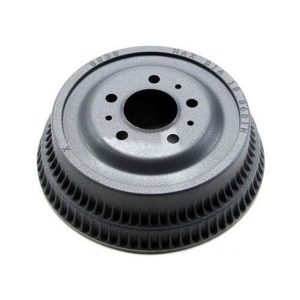
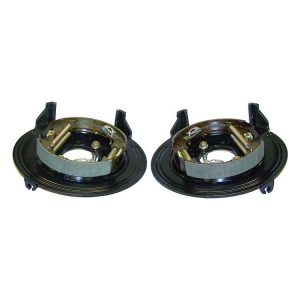
Drum brakes on Jeeps
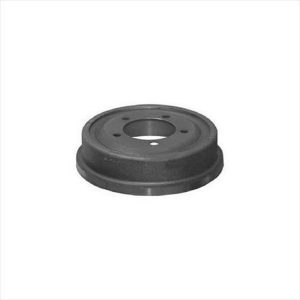
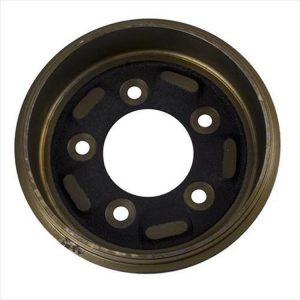
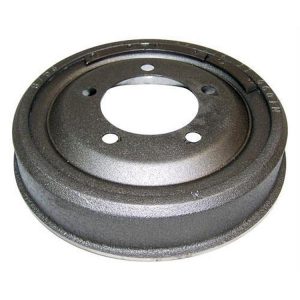
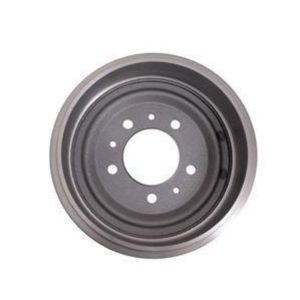
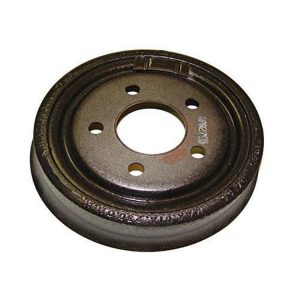
Every Jeep built before the mid 1970s had drums at all four corners, and rear drums stayed on the Wrangler through the TJ and on the Cherokee XJ to the end of production. They are simple, cheap to rebuild and work well when correctly adjusted. The parts in this category are mostly factory-style replacements: drums, backing plates, shoe hold-down kits and anchor plates for Dana 44, AMC Model 20, Dana 35 and early Willys axles, from brands that specialize in Jeep restoration and repair.
Identifying your drum size
Drums are described by diameter and shoe width, for example 10 x 1.75 inch or 11 x 2 inch. The size depends on the axle and year, not just the model, so a 1976 CJ7 and a 1986 CJ7 may use different rear drums. Measure the inside diameter of the old drum and the width of the shoe lining before choosing. The sample products here cover 9 inch drums for early Willys and CJ models, 10 inch drums for 1970s and 1980s CJs and the Scrambler, 11 inch drums for the Dana 44 rear on 1972 to 1978 CJs and older trucks, and a 12 x 2.5 inch rear drum for the J20. Later XJ, YJ and TJ rear drums are 9 x 2.5 inch on the Dana 35 and 10 x 1.75 inch on the Dana 44.
- Drums are sold individually in most listings. You need two per axle, and both sides should be replaced together.
- Check whether the drum is a front or rear part. Early Jeeps used drums on the front too, and some fit either end.
- A machined drum must stay above the minimum thickness cast into it. If the old drum is scored or over the limit, replace rather than turn it.
Backing plates, springs and anchors
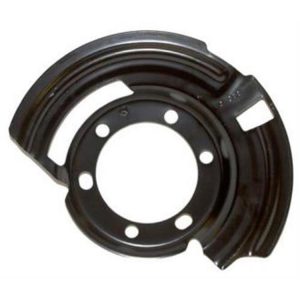
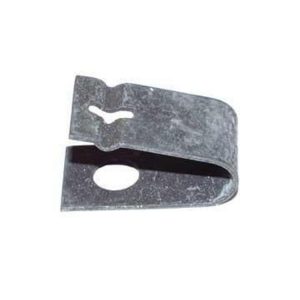
The backing plate carries the wheel cylinder, the anchor pin and the adjuster. Plates rust through at the bottom where water collects, and a bent plate lets shoes drag. The Dana 35 backing plate set listed for the 1994 to 1998 Grand Cherokee ZJ is an example of a rear plate that must match both the axle and the brake size. Hold-down spring kits include the pins, cups and springs that keep each shoe flat against the plate; replace them whenever the shoes come off, since tired springs let shoes rattle and wear unevenly. Return springs and the adjuster hardware are often sold as a separate hardware kit.
Rebuilding a drum brake properly
Replace shoes, hardware and wheel cylinders as a set, clean and lubricate the backing plate contact pads with high-temperature brake grease, and seat the drum before adjusting. Adjust each side until the drum drags slightly, then back off until it spins with a faint scuff, and finish by setting the parking brake several times so the self-adjusters take over. Bleed the system after any wheel cylinder work. Brakes are safety equipment; if you have not worked on drums before, have the job done or checked by a professional, and torque wheel nuts to specification.
Parts compatibility notes
Jeep changed brake sizes within model runs, and axles were swapped on many vintage vehicles over the decades. Verify the axle under your Jeep, not just the model year, and compare new parts against the old ones before assembly. Confirm fitment for your exact year, model and axle on the manufacturer's listing before choosing.
Popular Drum Brake Kits & Components brands
Shop Drum Brake Kits & Components by type
Drum Brake Kits & Components FAQ
How do I know what size brake drums my Jeep has?
Measure the inside diameter of the old drum and the width of the shoe lining. Common Jeep sizes are 9, 10, 11 and 12 inches with widths from 1.75 to 2.5 inches. Because sizes changed with axle and year, measuring is more reliable than relying on the model alone.
Should I replace brake drums in pairs?
Yes. Replacing only one drum gives different friction on each side of the axle and can cause a pull under braking. Replace both drums, both sets of shoes and the hardware at the same time so the brakes wear and act evenly.
Can I turn my old drums instead of replacing them?
Only if the drum stays above the minimum thickness cast into it after machining and it is not cracked or heat-checked. Deep scoring, hard spots or an out-of-round drum usually means replacement is the better choice, since new drums are not expensive relative to the labor.
Why do my rear drum brakes squeal or grab?
Common causes are glazed or contaminated shoes, worn or weak return and hold-down springs, a scored drum, or missing lubricant on the backing plate pads. Grabbing can also come from a leaking wheel cylinder or axle seal soaking the lining. Inspect, clean and replace worn hardware.