Lug nuts, lug nut sets, locks and adapter keys for steel and alloy wheels on trucks, Jeeps and SUVs. Whether you are replacing a stripped stud nut, swapping to a different seat style or adding a wheel spacer, thread size and seat type matter. Brands listed include Pro Comp Alloy Wheels, Gorilla Automotive, Crown Automotive and Omix-Ada. Browse the product pages for part numbers, then compare the products below.
Wheel Lug Nut
Showing 1–12 of 62 resultsSorted by popularity
-
-
-
Wheel Lug Nut
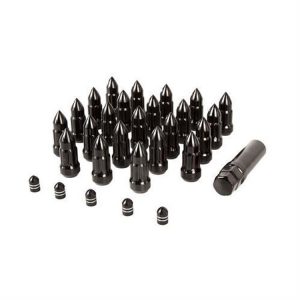
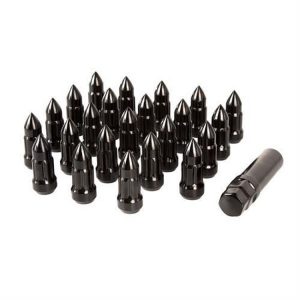
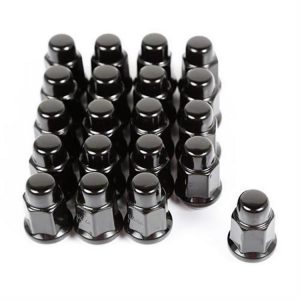
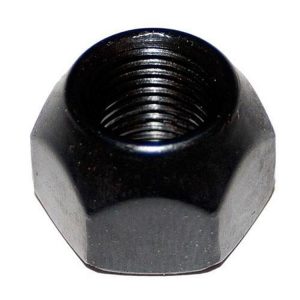
Rugged Ridge Lug Nuts (Bullet Shaped) – 16715.25
- Rugged Ridge part 16715.25, bullet style 1/2×20 lug nuts in black
- High strength cold forged steel with an accurate tapered seat
- Set counted at 23 pieces, enough for four wheels and a spare tire mount
- Fitment not listed by vehicle
SKU: RUG16715.25 -
-
-
Wheel Lug Nut
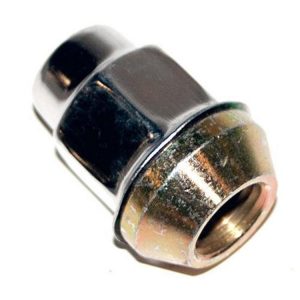
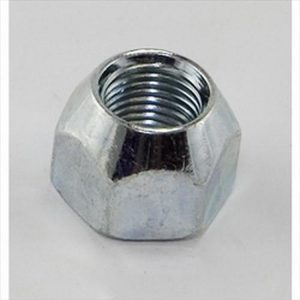
Omix-ADA 1/2 Inch-20 Lug Nut (Chrome) – 16715.06
- Omix-Ada 1/2 Inch-20 chrome acorn lug nut, part number 16715.06
- Universal fit design with no Jeep model or year range named
- Direct OE replacement design with a limited five year manufacturers warranty
- One lug nut per item (count 1)
SKU: OAI16715.06 -
-
Wheel Lug Nut

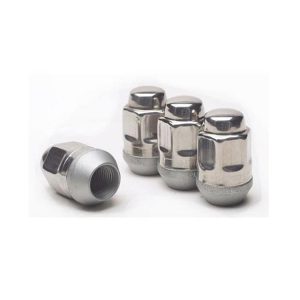
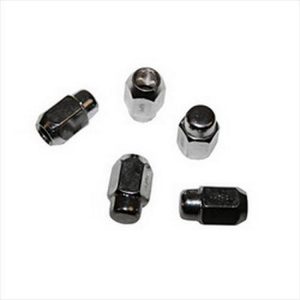
Gorilla Automotive 1/2 Inch-20 Stainless Steel Lug Nut Pack (Stainless Steel) – 91187SS
 Wheel Lug Nut
Gorilla Automotive 1/2 Inch-20 Stainless Steel Lug Nut Pack (Stainless Steel) – 91187SS
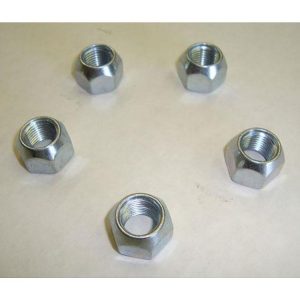
- Gorilla Automotive 91187SS lug nuts with 1/2 inch-20 thread and hex style
- Pack of four stainless steel lug nuts
- 304 grade stainless steel body with chrome vanadium steel seating surfaces
- Universal fit; no specific vehicle years, makes or models are named
- Plated finish salt spray tested for over 240 hours
SKU: GOR91187SS





What to match
A lug nut has to match your wheel stud in three ways: thread size and pitch, seat shape, and hex or drive size. Thread is written as diameter by pitch, such as 14x2.0 or 1/2-20. A wrong thread may start onto a stud and then strip it, so never force a nut that does not thread by hand for several turns. Fitment details are on each listing, and you should confirm them for your exact vehicle.
Seat types
The seat is the part of the nut that touches the wheel, and the wheel dictates which one it needs.
- **Conical (acorn) seat:** a tapered cone, common on aftermarket wheels and many trucks.
- **Ball (radius) seat:** a rounded seat used on many factory wheels.
- **Flat or mag seat:** a flat washer face used with a long shank in some alloy wheels.
Using the wrong seat leaves little contact area, can loosen under load and may damage the wheel. If you change wheels, check the nuts as well.
Styles and features
Standard hex nuts use a regular socket. Tuner or small-diameter nuts fit narrow holes, and spline-drive or internal-key designs use a special key that also helps discourage theft. If you buy a spline-drive set, keep the key in the vehicle, since you will need it for a flat. Locking nuts replace one nut per wheel and require the matching key. Finishes include chrome, black and stainless steel; finish affects appearance and corrosion resistance, but does not change the fit.
Wheel spacers and adapters
Spacers and adapters often need longer studs and different nuts. Dedicated nuts for spacers are sold separately, and the shank must engage enough thread on the stud. Follow the spacer maker's instructions closely, since this is a safety-critical connection.
Installation and torque
Start every nut by hand, tighten in a star pattern, and finish with a torque wrench to the vehicle manufacturer's specification. Avoid impact wrenches for final tightening, because they can over-torque and stretch studs. Recheck torque after the first 50 miles or so, and again after any wheel service. Do not use oil on threads unless the manufacturer says to. If you are unsure about wheel fitment or torque, have a qualified tire shop do the work.
Keep a few practical points in mind. Carry the correct socket or key for your nuts, and check that it fits before you need it roadside. Inspect the studs whenever you remove a wheel, and replace any that are bent, stretched or have damaged threads, since a weak stud is a common cause of wheel problems. Wipe off rust and dirt from the wheel mounting surface, because debris between the hub and wheel can cause loosening. Some owners use anti-seize on studs, but wheel and vehicle makers often advise against lubricant because it changes the real clamping force at a given torque, so follow the manufacturer's guidance. Chrome and black coatings can chip, which exposes steel to rust, so check them occasionally. If you run oversize tires or heavy-duty wheels, make sure the nut grade and length suit the load.
Popular Wheel Lug Nut brands
- Pro Comp Alloy Wheels (26)
- Gorilla Automotive (18)
- Crown Automotive (8)
- Omix-Ada (4)
- Rugged Ridge (4)
- Dorman (3)
- Mountain Off Road Enterprises (1)
Wheel Lug Nut FAQ
How do I find my lug nut thread size?
Check the owner's manual or your wheel and stud specifications. Thread is shown as diameter and pitch, such as 14x2.0. A thread gauge or a tire shop can confirm if you are unsure.
What is the difference between conical and ball seat lug nuts?
The seat is the surface that contacts the wheel. Conical seats are tapered, and ball or radius seats are rounded. The wheel is machined for one type, and using the wrong one can cause loosening.
Can I reuse lug nuts after changing wheels?
Only if their seat style and thread match the new wheel. Many aftermarket wheels need a different seat than the factory wheel, and worn or damaged nuts should be replaced.
What torque should I use for my lug nuts?
Use the figure in your owner's manual or from the wheel manufacturer, applied with a torque wrench in a star pattern. Recheck after the first few dozen miles of driving.