

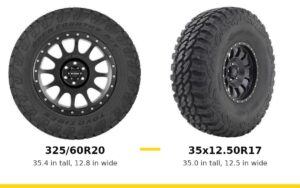
325/60R20 is 35.4 inches tall and 12.8 wide. The tire size formula, a chart of 24 off-road sizes in inches, speedometer error and regearing…
Tires
Showing 133–144 of 972 resultsSorted by popularity
-
Tires
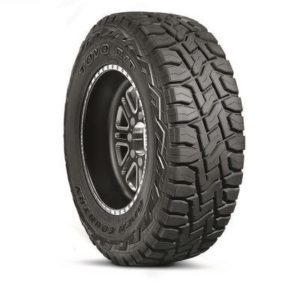
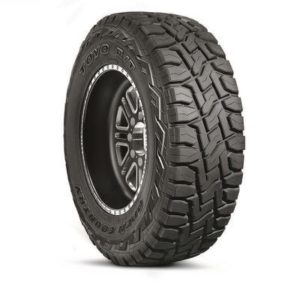
Toyo 305/55R20 Tire, Open Country R/T – 351480
- Toyo Open Country R/T hybrid terrain tire, 305/55R20, part number TOY351480.
- Sized for 20-inch rims with a 305 section width and tire height of 33.
- Toyo lists universal fit, so match the size and wheel clearance before mounting.
- Includes a 45,000 mile treadwear warranty on top of Toyo’s limited warranty.
SKU: TOY351480 -
-
-
-
Tires
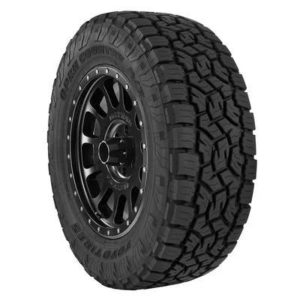
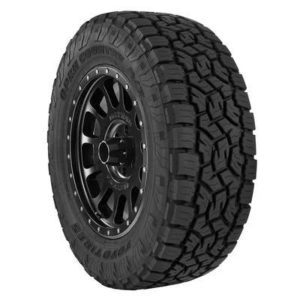
Toyo 295/75R16 Tire, Open Country A/T III – 355720
- Toyo 295/75R16 Open Country A/T III all-terrain tire, part number TOY355720
- Tire size 295/75R16 for a 16-inch rim diameter
- All-terrain tread for off-road grip and on-road handling
- Quiet ride with stable handling.
- Confirm fit for your vehicle before ordering.
SKU: TOY355720 -
Tires
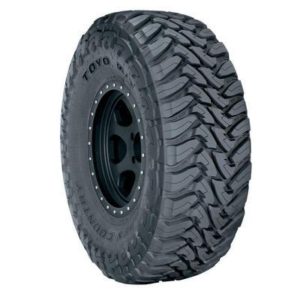
Toyo 295/70R18 Tire, Open Country M/T – 360640
- Toyo 295/70R18 Open Country M/T mud-terrain tire, part number TOY360640
- Tire size 295/70R18 for an 18-inch rim diameter
- Mud terrain tread for mud, snow and rock
- Smart lug placement for precise, quiet street driving
- Vehicle fitment is not confirmed
SKU: TOY360640 -
Tires
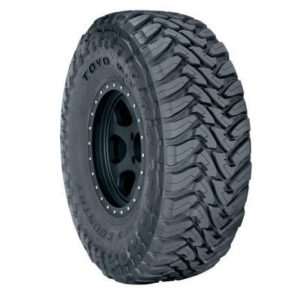
Toyo 295/60R20 Tire, Open Country M/T – 360660
- Toyo 295/60R20 Open Country M/T mud terrain tire, part number TOY360660
- Tire size 295/60R20 with aspect ratio 60 and a 20 inch rim diameter
- Section width 295, tire width 12 and tire height 34.
- Mud terrain tread for full-size pickups.
- Universal Fit, with no specific vehicle confirmed
SKU: TOY360660 -
Tires
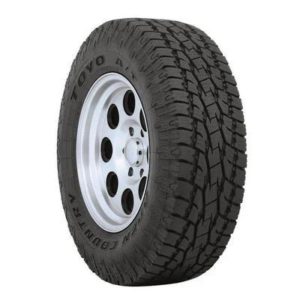
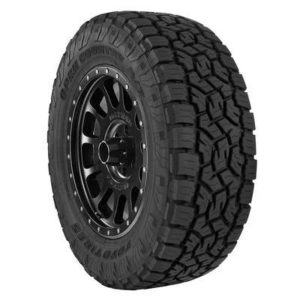
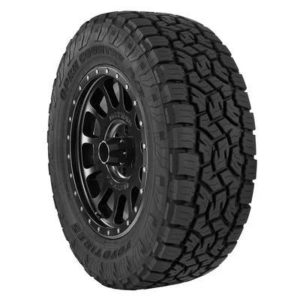
Toyo 295/60R20 Tire, Open Country A/T III – 355350
- Toyo 295/60R20 Open Country A/T III all-terrain tire, part number TOY355350
- Tire size 295/60R20 for a 20-inch rim diameter
- Lists 295x60R20 among Toyo’s most popular sizes
- Wet performance, durability and treadwear life as design goals
- Confirm fit for your vehicle before ordering.
SKU: TOY355350 -
Tires
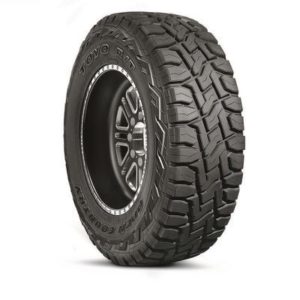
Toyo 295/55R20 Tire, Open Country R/T – 351620
- Toyo 295/55R20 Open Country R/T hybrid terrain tire, part number TOY351620
- Tire size 295/55R20 for a 20-inch rim diameter
- Hybrid terrain tread for dirt, sand and rocks
- Toyo limited warranty and 45,000 miles treadwear warranty
- Vehicle fit is not confirmed; confirm before ordering
SKU: TOY351620 -
Tires
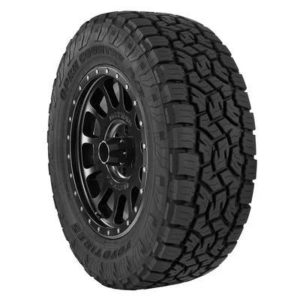
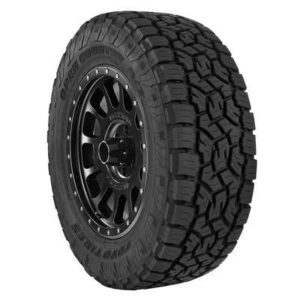
Toyo 295/55R20 Tire, Open Country A/T III – 356360
- Toyo 295/55R20 Open Country A/T III all-terrain tire, part number TOY356360
- Tire size 295/55R20 for a 20-inch rim diameter
- Aspect ratio 55 with a section width of 295
- Advances in tread design, construction and compounding
- Confirm fit for your vehicle before ordering.
SKU: TOY356360 -
Tires
Toyo 285/75R17 Tire, Open Country A/T III – 355690
- Toyo 285/75R17 Open Country A/T III all-terrain tire, part number TOY355690
- Tire size 285/75R17 for a 17-inch rim diameter
- All-terrain tread for off-road grip and predictable on-road handling
- Wet performance, durability and treadwear life are design priorities
- Confirm fit for your vehicle before ordering.
SKU: TOY355690 -
Tires
Toyo 285/75R16 Tire, Open Country R/T – 351640
- Toyo 285/75R16 Open Country R/T hybrid terrain tire, part number TOY351640
- Tire size 285/75R16 with aspect ratio 75 and a 16 inch rim diameter
- Section width 285, tire width 11 and tire height 33.
- Off-road traction and durable construction in one tire
- Universal Fit, with no specific vehicle tied to it
SKU: TOY351640
Choosing a tread type
Tread design decides how a tire behaves on pavement, gravel, mud and rock. All-terrain tires such as the KO2, Wildpeak A/T3W and Open Country A/T III blend moderate void space with siped blocks, so they stay reasonably quiet and handle wet roads while still gripping on dirt. Mud-terrain tires like the Baja Boss, Trepador and Super Swamper TSL use larger lugs and wide voids that clear mud and bite into loose surfaces, at the cost of more road noise and usually shorter tread life on pavement.
Highway and street-oriented designs, including the Wildpeak H/T02 and Dura Grappler, favor quiet running and wet braking with only mild off-pavement ability. Match the tread to where you actually spend most of your miles rather than the toughest trail you might visit once a year.
Reading the size
Two formats appear here. Metric sizes such as 285/70R17 give section width in millimeters, aspect ratio as a percentage of that width, and rim diameter in inches. Flotation sizes such as 37x12.50R20 give overall height, section width and rim diameter in inches. An LT prefix or suffix means light truck construction, which is generally built with stronger sidewalls and a higher load capacity than a passenger-rated tire.
- Check the load range or load index against your vehicle's weight, especially if you tow or carry gear.
- Confirm the speed rating if you drive at highway speeds for long periods.
- Bias-ply tires, like several Super Swamper models, ride and wear differently from radials and are often preferred for rock crawling and heavy mud.
Fit and clearance
Taller and wider tires need room. Before choosing a size, measure the wheel well at full steering lock and full suspension compression, and compare the tire's overall height and width with your rim width and backspacing. Larger tires often call for a lift, trimmed bodywork or wheel offset changes, and they change speedometer readings and effective gearing. Regearing is commonly considered once tire diameter grows several inches over stock.
Installation and care
Have tires mounted and balanced by a qualified shop, and torque lug nuts to the vehicle manufacturer's specification. Set pressures according to the placard for road use, and consider lowering pressure only for trail use with a way to reinflate afterward. Rotate regularly, check alignment after any suspension change, and keep a properly sized spare. Tire and lift height regulations vary by state, so check local rules.
Common mistakes to avoid
The most frequent error is choosing a size from a photo or a friend's setup without checking wheel width. Every tire has an approved rim width range, and mounting it on a rim that is too narrow or too wide distorts the contact patch and can compromise bead sealing. Another is mixing tread patterns or sizes on one axle, which upsets handling and can stress a four-wheel-drive system that expects matching rolling diameters. Replace tires in sets of four on full-time four-wheel-drive vehicles, or at least keep tread depth within the manufacturer's tolerance.
Check the manufacture date on the sidewall as well. Rubber ages, and tires that sit for many years can harden even without wear. Inspect for sidewall cuts after trail use, keep pressures consistent between trips, and balance after any repair. Heavy mud-terrain and bias-ply designs often need extra balancing weight, so ask the shop about it.
Related guides
- 325/60R20 in Inches: Tire Size Math Made Simple
Popular Tires brands
- Toyo Tires (212)
- Mickey Thompson (134)
- BF Goodrich Tires (125)
- Super Swamper Tires (113)
- Nitto (80)
- Falken (71)
- Maxxis Tires (66)
- Goodyear Tires (60)
- Pro Comp Tires (30)
- Dick Cepek (20)
- Radar Tires (15)
- Ironman Tires (11)
Tires FAQ
What does LT mean on a tire?
LT stands for light truck. These tires use heavier construction and typically carry a higher load range than passenger tires, which suits trucks and SUVs that tow, haul or run off-road. Check the load index and your vehicle's placard before choosing.
Are mud-terrain tires good for daily driving?
They can be driven daily, but expect more road noise, firmer ride and faster wear than an all-terrain tire. Wet and icy braking may also be weaker. If most miles are on pavement, an all-terrain tread is usually the better compromise.
Will bigger tires fit my vehicle without a lift?
It depends on the model, wheel offset and suspension. Check the manufacturer's maximum recommended size, measure for clearance at full lock and compression, and confirm fitment for your exact year, make and model before ordering.
Do I need to regear after installing larger tires?
Larger diameter tires lower the effective gear ratio, which can dull acceleration and hurt towing and fuel economy. Many owners consider regearing when tires grow roughly three inches or more over stock, depending on engine power and gearing.