
Wheel Lug Nuts
Showing 13–24 of 149 resultsSorted by popularity
-
Tire & Wheel Accessories, Tires & Wheels, Wheel Lug Nuts

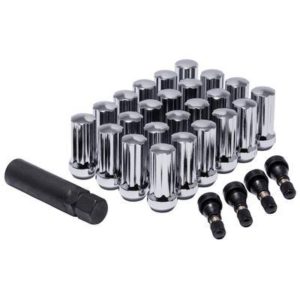
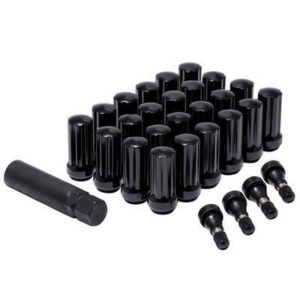
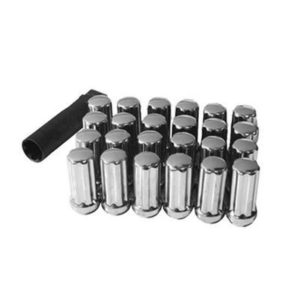
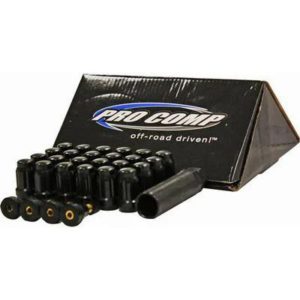
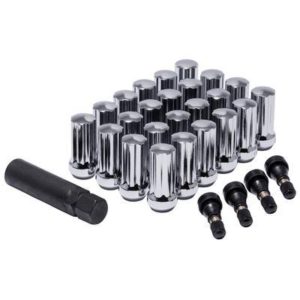
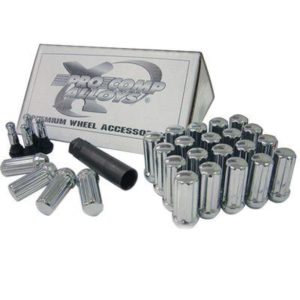
Pro Comp 24-Piece 14×2.0 H/T Lug Nut Kit (Chrome) – 16104
 Tire & Wheel Accessories, Tires & Wheels, Wheel Lug Nuts
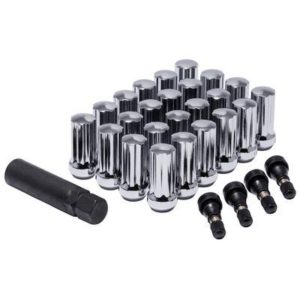
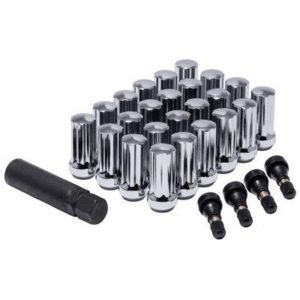
Pro Comp 24-Piece 14×2.0 H/T Lug Nut Kit (Chrome) – 16104
- 24-piece chrome lug nut kit in 14×2.0 thread size
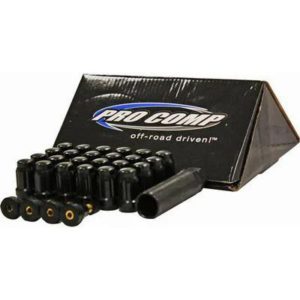
- Packaged with everything needed for installation, per Pro Comp
- Lists H/T as the model designation in the title
- Pro Comp part number PXA16104
SKU: PXA16104
What lug nuts do
Lug nuts clamp the wheel against the hub face and keep it centered and tight. Aftermarket wheels often need different nuts than factory steel wheels because the seat, shank and wheel hole design differ. The kits here typically include enough nuts for four, five, six or eight lug wheels, with counts such as 20, 24, 25 or 32 pieces.
Thread size and seat type
The thread must match your studs exactly. Common sizes include 12mm x 1.5, 14mm x 1.5, 14mm x 2.0, and SAE sizes such as 1/2-20 and 9/16-18. Mixing thread pitches can strip studs and let a wheel come loose. The seat is just as important. Conical (tapered) seats are common on aftermarket alloy wheels, while ball or flat seats are used on some factory wheels. Using the wrong seat leaves little contact and a wheel that can loosen.
Styles
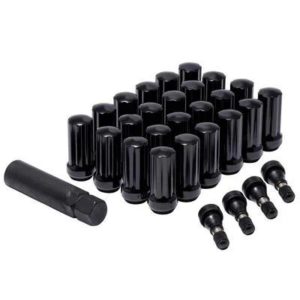
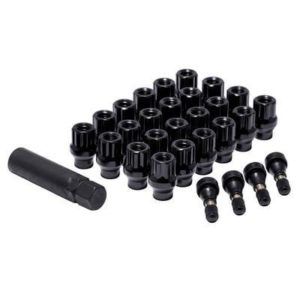
- Spline drive: a small-diameter nut with a splined key for wheels with narrow lug holes. It needs the matching key and resists casual tampering.
- Duplex or two-piece spline: a nut with a separate sleeve, often used when a deep or specific seat is required.
- Spike: a decorative pointed nut, usually installed with a socket that fits the base.
- Lock sets: include one locking nut per wheel and a key.
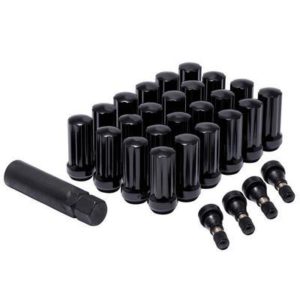
Finish choices include black, chrome and gold. Chrome and black finishes can chip if tightened with a poorly fitting tool, so use the correct socket or key.
Installation and torque
Keep threads clean and free of rust. Tighten in a star pattern, then use a torque wrench to the vehicle maker's specification. Recheck torque after the first 25 to 50 miles, and again periodically, especially after changing wheels. Do not use an impact wrench for final tightening and do not lubricate threads unless the manufacturer says so, as that changes the effective torque. Keep the spline key somewhere safe in the vehicle.
Reading a kit description carefully prevents most mismatches. Kit counts are based on the number of lugs per wheel multiplied by four wheels, so a five-lug vehicle uses 20 nuts and a six-lug vehicle uses 24, with a few extras sometimes included for the spare. Heavy trucks with eight lugs use 32. If you also run a full-size spare on the same wheel pattern, you may need extra nuts to cover it.
Material and finish are also worth a look. Steel nuts are typical, and plated or coated finishes resist corrosion but can wear from repeated tool contact. Spike and decorative styles can snag clothing and add a hazard at a crowded trailhead, so some people prefer a low-profile design. Always inspect nuts and studs whenever wheels come off, replace any that show cracked threads, rounded corners or heavy rust, and avoid using damaged tools that round off the drive profile. If a wheel feels loose, stop and check it immediately rather than continuing to drive.
Fitment
Verify stud size, thread pitch and wheel seat type for your exact year, make and model and wheel brand before choosing a product below.
Popular Wheel Lug Nuts brands
Wheel Lug Nuts FAQ
How do I find my lug nut thread size?
Check the owner's manual or the vehicle maker's specification for your year, make and model. You can also measure a stud's diameter and pitch with a thread gauge. Aftermarket wheels may require a specific seat type in addition to the thread.
What is the difference between spline and standard lug nuts?
Spline drive nuts have a narrow, splined profile that fits wheels with small lug holes and needs a special key to install or remove. Standard hex nuts use a regular socket and are simpler to work with.
Should lug nuts be torqued with an impact wrench?
An impact wrench can run nuts down quickly, but the final tightening should be done with a torque wrench set to the manufacturer's specification, using a star pattern. Impacts can overtighten and stretch studs or warp rotors.
Why re-torque lug nuts after installation?
Wheels and seats settle after the first drive, which can reduce clamp load slightly. Rechecking the torque after the first 25 to 50 miles helps confirm the wheel is secure, and it is good practice whenever wheels are mounted.