
Steering Stabilizer Kit
Showing 25–36 of 80 resultsSorted by popularity
-
Steering Stabilizer Kit
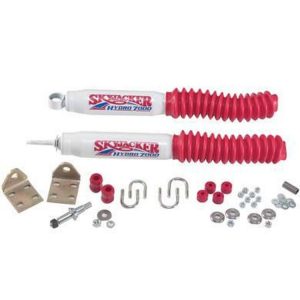
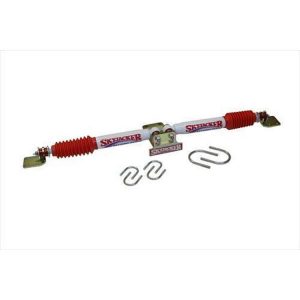
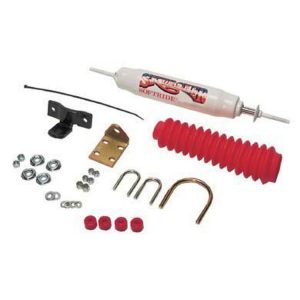
Skyjacker Hydro 7000 Dual Steering Stabilizer Kit – 7220
- Skyjacker Hydro 7000 dual steering stabilizer kit, part number 7220
- Complete kit with brackets and red shock boot
- Manufacturer list covers Chevrolet, GMC, Dodge, Ford and Plymouth trucks, 1959 to 1993
- Limited lifetime warranty
SKU: SKY7220 -
Steering Stabilizer Kit
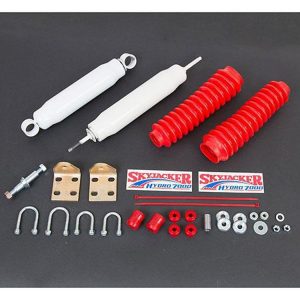
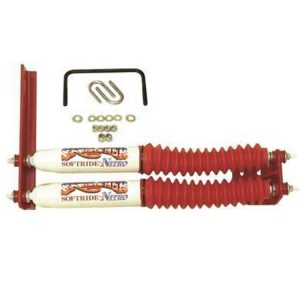
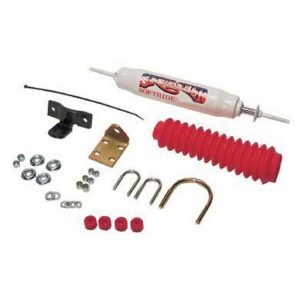
Skyjacker Hydro 7000 Dual Steering Stabilizer Kit – 7219
- Fits 1997 to 2006 Jeep TJ Wrangler, Rubicon and Unlimited
- Skyjacker Hydro dual steering stabilizer kit, part 7219
- Complete kit with brackets and necessary hardware
- Red shock boot included; rated for 37″ or larger tires
SKU: SKY7219 -
-
-
Steering Stabilizer Kit
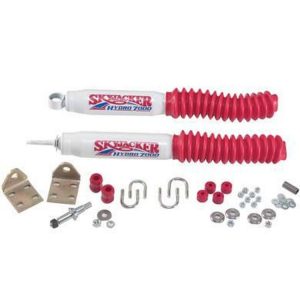
Skyjacker Hydro 7000 Dual Steering Stabilizer Kit – 7203
- Fits 2007 to 2016 Jeep Wrangler JK, Rubicon and Unlimited, 2-door and 4-door
- Skyjacker Hydro 7000 dual steering stabilizer kit, part 7203
- Complete kit with all necessary mounting hardware
- Shock boot not included
SKU: SKY7203 -
Steering Stabilizer Kit
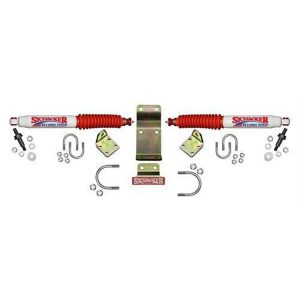
Skyjacker Hydro 7000 Dual Steering Stabilizer Kit – 7200
- Skyjacker Hydro 7000 dual steering stabilizer kit, part number 7200
- Complete kit with brackets, hardware and polyurethane boot
- Designed for use with 37-inch or larger tires
- Works only with a 4-inch suspension lift
- Fits Jeep CJ models, Commando, Jeepster, Scrambler and Wrangler YJ
SKU: SKY7200 -
Steering Stabilizer Kit
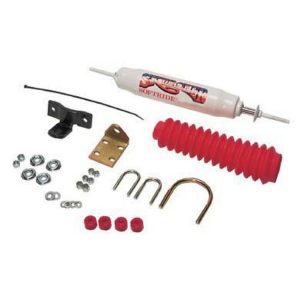
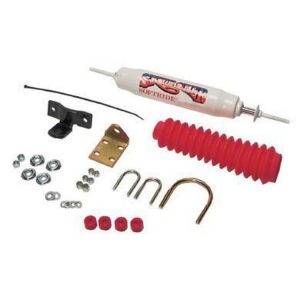
Skyjacker Hydro 7000 Single Steering Stabilizer Kit – 7140
- Skyjacker Hydro 7000 single steering stabilizer kit, part number 7140
- Complete kit with brackets and red shock boot
- Fits Ford Bronco, F-Series, Explorer and Mazda Navajo models, 1980 to 1998
- Limited lifetime warranty.
SKU: SKY7140 -
-
-
-
Steering Stabilizer Kit
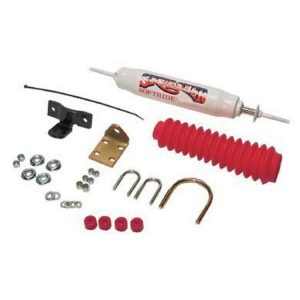
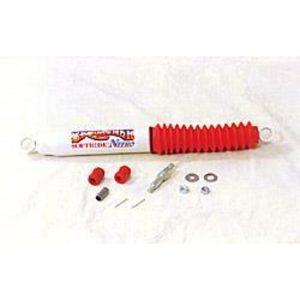
Skyjacker Hydro 7000 Single Steering Stabilizer Kit – 7100
- Single steering stabilizer kit, part 7100, from the Skyjacker Hydro 7000 line
- Brackets, hardware and a red shock boot are included
- Limited Lifetime Warranty
- No vehicles named, so confirm fitment before ordering
SKU: SKY7100 -

What a steering stabilizer does
A steering stabilizer is a hydraulic or gas-charged damper, much like a small shock absorber, mounted horizontally between the axle and the steering linkage such as the drag link or tie rod. It resists sudden side-to-side movement, which helps reduce bump steer and shimmy and softens the kick that big tires send up the steering wheel after hitting rocks or ruts.
A stabilizer is not a fix for worn parts. If steering feels loose, the cause is often worn tie rod ends, ball joints, a bad track bar, or alignment issues, and those need attention first.
Kit types in this category
- Single kits use one damper and are typical for stock-height and moderately lifted vehicles.
- Dual kits add a second damper to resist the larger forces from oversized tires.
- OEM replacement kits restore a factory-style stabilizer when the original has leaked or lost resistance.
- Complete kits may include a bracket, cylinder, and hardware for a lifted application.
Choosing and comparing
Look at the vehicle application and the lift height. Brackets, damper length, and mounting locations are set up for particular axles and lifts, so a kit for one setup may not suit another. Compare cylinder diameter and stroke, the body finish, and whether protective boots are included.
Do not add a larger damper to mask a wandering problem. Check wheel bearings, tire balance, caster, and steering play first. Confirm fitment for your exact year, make, and model.
Installation notes
Most kits bolt on with hand tools, though some need a bracket clamped to the tie rod or axle tube. Center the steering and the damper's travel before tightening, so the unit has equal stroke each way. Use the specified torque on every fastener, and have the steering inspected afterward. Steering is a safety system, so professional installation and an alignment check are sensible, especially with a lift.
Maintenance and when to replace
Stabilizers wear out. Check for fluid seepage, a rod that has lost its chrome finish, torn boots, and loose or cracked mounts every time you service the steering. Many owners replace the stabilizer when the tires or steering parts are replaced, as a matter of routine.
Keep the front end tight overall: tire balance, wheel bearings, tie rod ends, and track bar bushings all affect how much work the stabilizer has to do. A fresh damper on a worn front end only hides the problem for a while.
Mounting position affects how well a stabilizer works. The damper should sit close to horizontal and in line with the steering link, and its end points should be secured to solid parts of the axle and the linkage. A stabilizer that binds at full lock can damage its mounts or the steering, so turn the wheel lock to lock with the vehicle on the ground before driving.
Pay attention to tire size and weight. Heavier wheels and tires create more shake, and offset wheels leverage the steering more. Balance tires carefully and keep them at the right pressure.
If the vehicle pulls to one side or the steering wheel is off center after a lift, get an alignment. A stabilizer is not a substitute for correct caster and toe settings, which are the foundation of stable steering.
Popular Steering Stabilizer Kit brands
Steering Stabilizer Kit FAQ
Will a steering stabilizer fix death wobble?
Not by itself. Death wobble usually comes from worn or loose components such as the track bar, ball joints, or tie rod ends. A stabilizer may mask symptoms, so inspect and repair the root cause first.
Single or dual stabilizer?
Single kits suit many stock and mildly lifted setups. Dual kits are common with larger tires and more aggressive off-road use, because the steering forces are higher. Choose by the kit's stated application and your tire size.
How do I know if my stabilizer is bad?
Look for oil leaking around the shaft, a damper that moves freely with no resistance, bent rods, or worn mounts. Steering that feels vague or shakes after bumps can also point to a worn unit.
Is a stabilizer kit hard to install?
Many are straightforward bolt-on jobs, but proper alignment of the damper and torque of the hardware matter. Because it ties into steering, a professional install or inspection is recommended if you are unsure.