
Power Steering Hose
Showing 13–22 of 22 resultsSorted by popularity
-
-
-
Power Steering Hose
Crown Automotive Power Steering Hose – 52089169AE
- Crown Automotive power steering return hose, part number 52089169AE
- Built for 4.0L 6 cylinder engines
- Covers 2004–2006 Jeep Wrangler LJ Unlimited and Unlimited Rubicon
- Fits 2003–2006 Wrangler TJ trims, UPC 848399039726
SKU: CRO52089169AE -
-

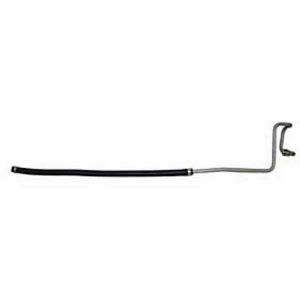
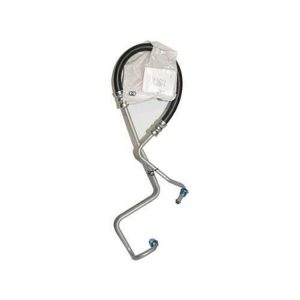
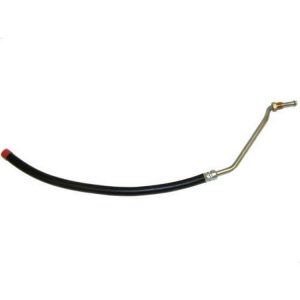
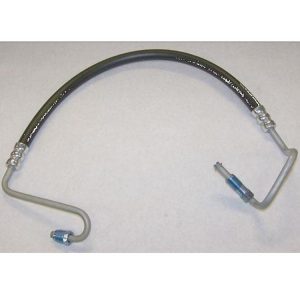
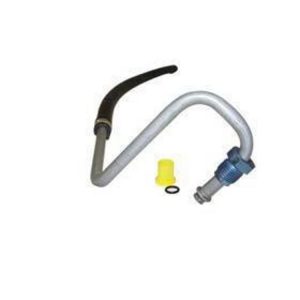
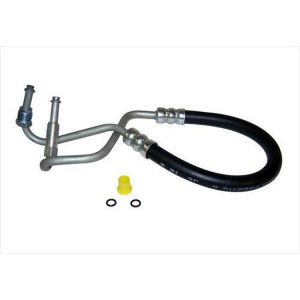


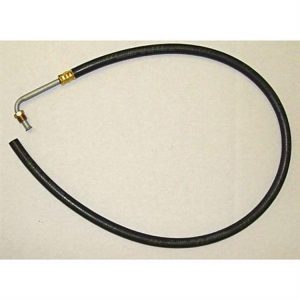
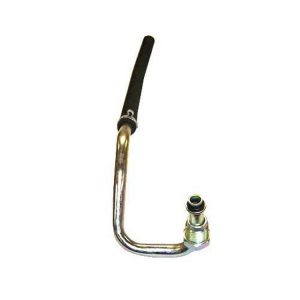
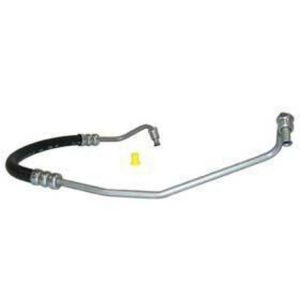
Pressure hose or return hose
A power steering system has two hoses. The pressure hose carries fluid from the pump to the steering gear at well over 1,000 psi when you turn against a stop. It has crimped metal fittings on both ends and often a section of steel tube. The return hose carries low-pressure fluid from the gear back to the pump reservoir and is usually a plain rubber hose held by clamps. The two are not interchangeable: return hose on the pressure side will burst. Listings here name the type, for example a Crown Automotive pressure hose for the 1991 to 1996 Cherokee XJ with the 4.0L or a return hose for the 1997 to 2002 Wrangler TJ, so start by deciding which one you need.
Why engine and year matter
Jeep used the same steering gear across many models, but the pump location and routing depend on the engine. A 2.5L four has the pump in a different spot than a 4.0L six, and the 304 V8 in a 1980 CJ is different again. Years matter because fittings changed: early CJs used flare fittings, later TJs used O-ring fittings and quick connects. The sample listings separate hoses for the 1980 to 1983 CJ with the 2.5L, the 258 six from 1981 to 1986, the 304 V8 CJs, the XJ with the 4.0L, and the TJ and LJ up to 2006. Left-hand drive is the normal US configuration, and some listings call it out because right-hand-drive postal Jeeps route differently.
- Match engine first, then year range, then trim if listed.
- Compare fitting ends on the old hose with the photos: flare, O-ring or quick connect.
- Check whether the hose includes the steel tube section or just the rubber length.
Signs a hose needs replacing
Pressure hoses fail at the crimp or where the rubber rubs on a bracket; look for a damp, dark area and fluid spray on the inner fender. Return hoses go soft and swell, seep at the clamps, or collapse and starve the pump, which causes a whine on cold mornings. Any hose that is spongy, cracked at the bends or more than 15 years old is a candidate for replacement when you are already into the system for a pump or gear.
Kits and hydraulic steering
The Borgeson kit includes both the pressure and return hose in OEM-style rubber for a complete refresh. If you run hydraulic assist or full hydraulic steering, the Trail Gear lines in this category are built for that higher-pressure, higher-flow system and are not a substitute for a factory hose, nor the other way around.
Replacement tips
Drain what you can by disconnecting the return hose into a pan, then remove the pressure hose with a flare nut wrench to avoid rounding the fittings. Replace the O-rings on O-ring fittings. Route the new hose exactly as the old one, away from the exhaust manifold and belt, and secure it in the factory clips. Fill with the fluid specified for your Jeep, then bleed by turning the wheel lock to lock with the front wheels off the ground and the engine off, topping up until bubbles stop. Start the engine, repeat, and check for leaks. Steering is safety equipment, so if a fitting will not seal or you are unsure of routing, have a shop finish the job. Confirm the hose matches your exact year, engine and drive configuration before choosing.
Popular Power Steering Hose brands
Power Steering Hose FAQ
How do I tell the pressure hose from the return hose?
The pressure hose runs from the pump outlet to the steering gear and has crimped metal fittings, often with a section of steel tube. The return hose runs from the gear back to the reservoir, is plain rubber, and is held with clamps. The pressure hose is the one that sprays fluid when it fails.
Can I make my own power steering hose from bulk hose?
Return hose can be cut from bulk power steering return hose and clamped. Pressure hose cannot; it needs crimped fittings rated for the pressure, which means a factory-style replacement or a hydraulic shop making one. Do not use heater or fuel hose on either side.
Why does my power steering whine after replacing a hose?
Air in the system is the usual cause. Bleed it by cycling the wheel lock to lock with the front wheels raised and the engine off, topping up the reservoir until foam stops appearing. A collapsed return hose or a pinched line can also starve the pump and cause a whine.
What fluid should I use after replacing the hose?
Use the fluid your Jeep's owner's manual or the pump maker specifies. Older Jeeps generally call for power steering fluid; some later models specify automatic transmission fluid. Mixing types can swell seals, so flush if you are unsure what was in the system.