
Steering Parts
Showing 745–746 of 746 resultsSorted by popularity
-
-
Steering Upgrades and Drag Links
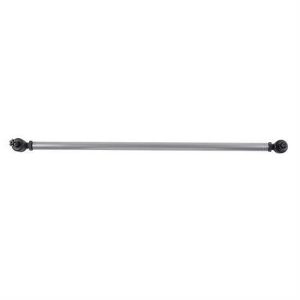
Rubicon Express Chromoly Draglink – RE2610
- Rubicon Express RE2610 chromoly drag link for 2 and 4-door JK Wranglers
- Converts the drag link from under the knuckles to on top of them
- Requires special tools and a tapered reamer; alignment needed after install
- UPC 614901440270
SKU: R/ERE2610


How the steering system fits together
On most 4x4s the steering wheel turns a steering shaft that drives a steering gear box. The gear box moves a pitman arm, which pushes a drag link that moves the steering knuckle or arm on one wheel. A tie rod connects the two wheels so they turn together. A power steering pump, reservoir and hoses supply hydraulic assist in most vehicles. A steering stabilizer, a damper that mounts across the linkage, calms vibration and shock from the front wheels.
Main part families
- Stabilizers and brackets: single and dual steering stabilizer kits, cylinders and mounting brackets that reduce steering wheel shake.
- Tie rods, ends and drag links: assemblies, adjusting sleeves, boots and heavy-duty replacement ends.
- Gear boxes and braces: replacement boxes, seals, mounts and braces that stiffen the frame mounting area.
- Shafts and couplers: lower steering shafts, u-joints and couplers, including heavy-duty telescopic shafts.
- Power steering: pumps, reservoirs, caps, return and pressure hoses, fluid and hydraulic assist systems.
- Steering knuckles and arms: including high steer arms for lifted vehicles.
- Steering wheels and installation kits: replacement or aftermarket wheels with the adapters that mount them.
Choosing for your use
- Repair or upgrade: factory-style replacements restore stock behavior, while upgrades like heavy-duty tie rods or high steer arms suit larger tires, lifts and heavy use.
- Lift height: taller lifts can change linkage angles, which can call for drop pitman arms, drag link adjustments or a stabilizer with different travel.
- Tire size: larger tires load the steering more and may call for stronger parts.
- Vehicle detail: two- and four-door models, steering gear type and year ranges can all change fitment.
Safety and installation
Steering is a safety system. Loose or worn parts can cause wandering, a vague feel or loss of control, so inspect ends and joints regularly for play, torn boots and leaks. Use the correct torque for each fastener, new cotter pins where specified, and the right tools for tapered joints. A professional alignment is recommended after replacing tie rods, drag links or steering geometry components. When in doubt, have a qualified shop handle installation and inspection.
Always confirm fitment for your exact year, make and model, and follow the manufacturer's specifications, then compare the products below.
Keeping the steering system healthy
Regular inspection catches problems early. Look at boots and seals for tears, check the power steering fluid level and color, and look for leaks at the pump, hoses and gear box. Fluid that is dark or smells burned should be changed using the type the vehicle maker specifies. Grease the fittings on greasable ends and check that stabilizer mounts and bushings remain tight.
Rotate and balance tires on schedule and keep tire pressures even, as uneven pressure can create pull that mimics steering trouble. If the steering wheel is off-center, vibrates or the vehicle wanders, have it inspected promptly.
When shopping, start from the symptom. A vibrating wheel after hitting a bump points toward a stabilizer or tie rod end, a heavy or noisy wheel suggests the pump or fluid, and excessive play points to the gear box or linkage. Replace related worn parts together, such as both tie rod ends on an axle, so the repair lasts and alignment is stable.
Popular Steering Parts brands
- Crown Automotive (121)
- Pro Comp Suspension (103)
- Skyjacker (77)
- Omix-Ada (74)
- Trail Gear (45)
- Rancho (44)
- Fabtech (40)
- Borgeson Steering (36)
- Moog (32)
- TeraFlex (28)
- PSC Steering (24)
- Rugged Ridge (23)
Shop Steering Parts by type
- Steering Stabilizer (202)
- Tie Rod End (93)
- Steering Stabilizer Kit (80)
- Steering Stabilizer Bracket (43)
- Steering Shaft (20)
- Steering Upgrades and Drag Links (40)
- Tie Rod Assembly (26)
- Power Steering Hose (22)
- Steering Kit (16)
- Hydraulic Steering Assist (13)
- Tie Rod End Boot (15)
- Tie Rod End Adjusting Sleeve (14)
- Steering Knuckle (14)
- Steering Gear Box Braces (10)
- Power Steering Pump (9)
- Steering Arm (9)
- High Steer Arms (9)
- Steering Coupler (6)
- Steering Shaft Coupling Nut Bearing (8)
- Steering Wheel Installation Kit (7)
- Steering Bell Crank (7)
- Steering Gear Mount Bracket (5)
- Power Steering Fluid (5)
- Power Steering Cap (5)
- Hydraulic Ram Cylinder (4)
- Steering Gear Worm Shaft Seal (4)
- Steering Box (0)
- Steering Shaft Retainer (3)
- Power Steering Reservoir (3)
- Power Steering Cooler (2)
Steering Parts FAQ
What does a steering stabilizer do?
A steering stabilizer is a damper that mounts to the steering linkage to reduce shake and shock from the front wheels, which helps with oversized tires and rough terrain. It does not repair worn steering components.
How do I know which steering part is worn?
Look for play in the wheel, clunks, wandering, uneven tire wear or leaks around the gear box and hoses. A technician can check ends, joints and the box with the front end lifted.
Do I need an alignment after replacing steering parts?
Usually yes, especially after tie rods or drag link work. Parts like these affect toe, so an alignment helps protect tires and keep the vehicle tracking straight.
Will a lift change my steering parts needs?
It can. Lifts change linkage angles, and larger tires add load. Drop pitman arms, high steer kits or longer stabilizers are among the parts people consider. Follow your lift manufacturer's recommendations.