
Offroad Auxiliary Lights
Showing 25–27 of 27 resultsSorted by popularity
-
Lighting & Lighting Accessories, Offroad Auxiliary Lights, Offroad Racing Fog & Driving Lights
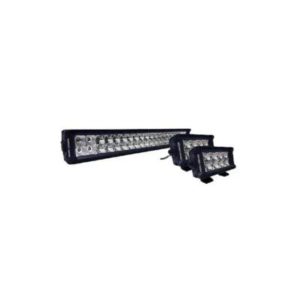
Iron Cross Automotive LED Light Kit for Low Profile Bumpers (Black) – 40-LEDKIT
 Lighting & Lighting Accessories, Offroad Auxiliary Lights, Offroad Racing Fog & Driving Lights
Iron Cross Automotive LED Light Kit for Low Profile Bumpers (Black) – 40-LEDKIT
- LED light kit made for low profile bumpers
- Black finish, part number 40-LEDKIT
- Made for low profile bumpers; confirm fit before ordering
- Made in the United States
SKU: ICA40-LEDKIT -
Lighting & Lighting Accessories, Offroad Auxiliary Lights, Offroad Racing Fog & Driving Lights

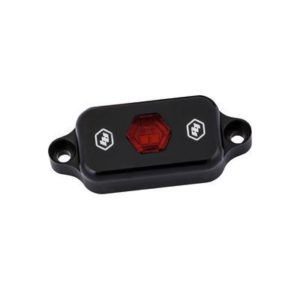
Baja Designs LED Rock Light (Red) – 398049
 Lighting & Lighting Accessories, Offroad Auxiliary Lights, Offroad Racing Fog & Driving Lights
Baja Designs LED Rock Light (Red) – 398049
- Red LED rock light, sold as a single
- Waterproof, with a 180 degree optic
- 12 volt power; surface mounting
- Can get very hot; use caution when installing
SKU: BAJ398049 -
Offroad Auxiliary Lights
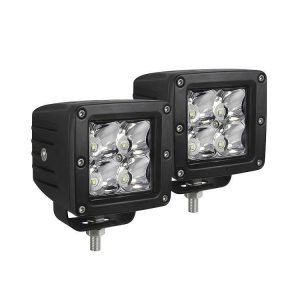
HyperQ LED Auxiliary Light
- Westin HyperQ LED auxiliary light, part number 09-12200A-PR, with a 5W Cree LED
- Universal Fit, not tied to one vehicle
- Includes wire harness, two connectors, in-line fuse, relay and switch
- Diecast aluminum housing, 3 x 3 in.
- Comes in pairs, UPC 707742073360
SKU: WES09-12200A-PR

What auxiliary lights add
Factory headlights are designed for road use, so extra lights fill in the dark areas on trails. Auxiliary lights come in several beam patterns, and the right choice depends on where you drive and how fast you go. This category includes spreader and flood lights, rock lights, and replacement parts like lens covers.
Beam patterns and uses
- Flood: a wide, short beam that lights the area near the vehicle, useful for slow technical trails and camp work.
- Spreader: a very wide beam that lights the sides, often paired with driving or spot lights to widen the lit area.
- Spot and driving: narrower beams that reach farther down the road or trail, better at higher speeds.
- Rock lights: small lights mounted under the vehicle to light the ground around the tires and axles at night.
- Lens covers and replacement lenses: protect lights from rocks and branches, and may be clear or tinted such as red or blue.
Specs to compare
Compare light output in lumens, though remember that lumens do not describe how the light is aimed. Beam pattern, optic quality, and housing design matter as much as output. Check the voltage and current draw so your wiring, relay, and fuse can handle it. Consider the ingress protection rating for dust and water, the finish, and the mounting type, such as surface mount, flush mount, or bracket. White light is standard, and amber can reduce glare in dust or fog, while colored halos, such as a white or red halo ring, are mostly cosmetic.
Wiring and installation
Wire lights through a relay and a fuse sized for the load, with a switch that you can reach from the driver position. Use wiring of an appropriate gauge for the length and current, and protect it with loom away from heat and moving parts. Aim lights after mounting at night on level ground, so they do not blind other drivers. Mount rock lights where they will not be torn off, and weatherproof every connection with sealed connectors.
Use of auxiliary lights on public roads is regulated, and many states require covers or prohibit use when other vehicles are present. Check local rules and use these lights off-road. Always confirm mounting and compatibility with the manufacturer's specifications before installing.
Maintenance and mistakes
Check the lens and seals on each light after a rough trip, since a small crack lets moisture inside and shortens the life of the LEDs. Keep connectors sealed and use dielectric grease on terminals. Mount lights so the housing can shed heat, as LEDs run hotter when the heat sink is buried in a bracket or covered with debris. Avoid pointing spreader lights where they reflect off the hood or a roof rack and cause glare for the driver. Test the wiring and the switch each season, and replace any fuse with the same rating. For rock lights, confirm that the wiring is protected from sharp rocks and spare yourself a mid-trail repair by carrying a few spare connectors.
Popular Offroad Auxiliary Lights brands
- Rigid Industries (11)
- KC HiLites (5)
- JW Speaker (3)
- Pro Comp Suspension (2)
- Oracle Lighting (2)
- Trail Gear (1)
- Westin (1)
- Baja Designs (1)
- Iron Cross Automotive (1)
Offroad Auxiliary Lights FAQ
What is the difference between a flood and a spreader light?
Both are wide, but a flood is tuned for lighting the area close ahead, while a spreader is extremely wide to light the sides of the trail. Many people use a spreader with a driving or spot light.
Are rock lights worth installing?
They help you see the ground around the tires and axles when wheeling at night, and some people use them for camp lighting. They are not needed for most driving, and should be wired to a separate switch.
Can I use auxiliary lights on the road?
Rules vary by state, but off-road lights are commonly restricted to off-road use and may need covers on public roads. Check your local regulations, and do not use them where they could blind other drivers.
Do auxiliary lights need a relay?
In most cases yes. A relay and a correctly sized fuse let the lights draw their current from the battery instead of the switch. Follow the light maker's wiring diagram and use wire of the proper gauge.