Seat mounting brackets, adapters and sliders for 4×4 seats, including brackets that let aftermarket seats bolt into factory locations, seat track slider kits and third-row or rear bench brackets. Brands include Corbeau, Bestop, Smittybilt and Rugged Ridge. Compare driver and passenger side parts on each product page, then compare the products below.
Seat Mounting Bracket
Showing 1–12 of 40 resultsSorted by popularity
-
-
-
Seat Mounting Bracket
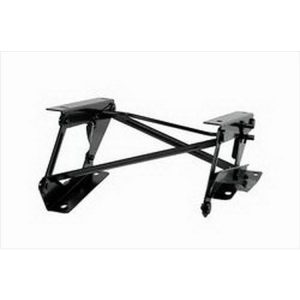
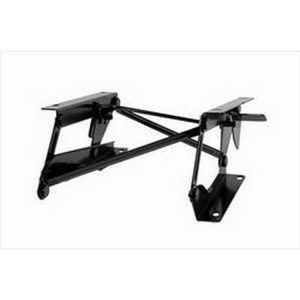
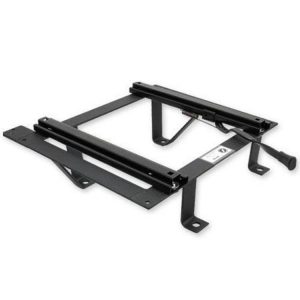
Rugged Ridge Seat Adapter – 13201.12
- Rugged Ridge passenger-side seat adapter bracket, part number 13201.12
- Black powder coat finish
- For installing replacement seats on 1997-2002 Jeep Wrangler (TJ) vehicles
- Works with Rugged Ridge and Outland replacement Jeep seats
SKU: RUG13201.12 -
-
-
-

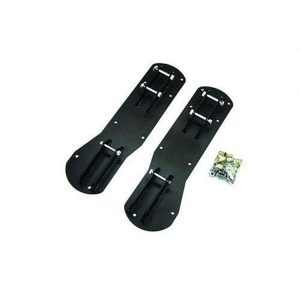

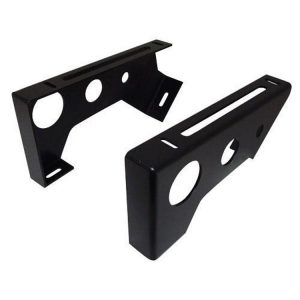

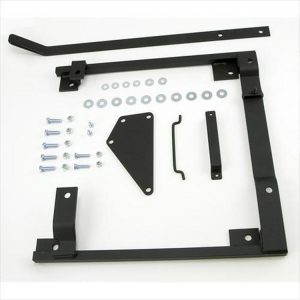




Why seats need brackets
Aftermarket seats rarely share bolt patterns with the factory seat or the floor mounts. A seat bracket or adapter bridges that gap, so a bucket seat can attach to the vehicle's existing mounting points while keeping its position, height and angle correct. Sliders and seat tracks allow forward and rear adjustment, and some brackets keep the factory fold and tumble or flip-forward function for rear access.
Types you will see here
- Complete seat brackets: specific to a seat model and often supplied in left and right versions.
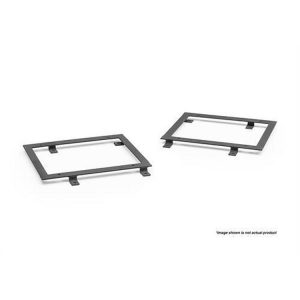
- Bracket adapters: let a replacement seat use the stock bracket. Some raise the seat slightly compared to a complete bracket.
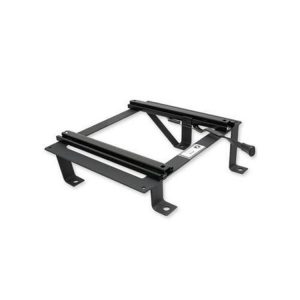
- Slider kits: replacement tracks, handles and hardware that restore adjustment.
- Rear and third-row brackets: allow a bench seat or a second seat to be mounted in a new position, sometimes facing front or rear.
Choosing correctly
Check three things: the seat you are installing, the vehicle model and year, and the side. Driver and passenger brackets are often different. Some Jeep brackets also differ between model generations and between two-door and four-door versions. If the vehicle has side airbags or seat sensors, the manufacturer's notes matter, since seat changes can interfere with them.
Installation and safety
A seat is a safety-critical part because the seat belt anchors and occupant restraint depend on it. Use the hardware supplied, tighten every bolt to the torque stated by the bracket manufacturer, and use thread locker if directed. Check that the seat locks securely and does not rock. Check seat belt routing and buckle reach after the change.
Test sliders through their full travel, make sure wiring is clear of the tracks and re-torque after a short drive. If you are unsure, have a professional install it. Confirm fitment for your exact year, make and model before ordering.
Used seats from other vehicles often have different mounting dimensions, so measure the seat's bolt pattern before purchasing a bracket. Keep original fasteners for reference, and never reuse damaged bolts or brackets in a position that carries occupant loads.
Keep the factory brackets if you may return to stock later.
Measuring and confirming fitment
Start by checking the existing floor mounting points. Measure the distance between front and rear bolt holes on one side, then between the two sides, and compare these with the seat's slider or base. Many aftermarket seat makers publish their bolt patterns, so cross-check against that data. Look at how the bracket lines up with the seat belt buckle, which must remain reachable and move with the seat. Note the seat's height and rake after installation, so a tall driver can still sit comfortably below the roll bar or soft top frame.
Materials and construction
Brackets are usually steel with a powder coat or zinc finish, and some are aluminum. Steel is stronger and resists fatigue better, though it needs a good finish in wet climates. Check the metal thickness and the weld quality on any welded joints. Sliders include rollers or bearings, and they should lock into position without play. A latch that does not engage fully is unsafe in a collision. Keep sliders clean and lightly lubricated, and inspect them annually.
Popular Seat Mounting Bracket brands
Seat Mounting Bracket FAQ
Do I need a bracket to install an aftermarket seat?
Usually yes. Most aftermarket seats use a different bolt pattern than factory ones, so a bracket or adapter is needed. Check the seat maker's information for the right part.
Are driver and passenger seat brackets different?
Often they are. Many brackets are made in left and right versions because of mounting points, seat belt hardware and floor shapes. Check the side and confirm fitment for your exact vehicle.
Can a seat adapter raise the seat height?
Some do, and listings may note that a seat sits about an inch higher than with a complete bracket. Check headroom, especially with a soft top or roll bar.
Will new seat brackets affect my seat belts or airbags?
They can if the seat position or sensors change. Review the manufacturer's notes and fit instructions, and consider professional installation if the vehicle has seat-mounted airbags or sensors.