
Bugshields & Vent Visors
Showing 13–24 of 108 resultsSorted by popularity
-
Bugshields & Vent Visors
Auto Ventshade Ventvisor In-Channel Deflector (Smoke) – 192002
- Fits Dodge Ram 1500, 2500 and 3500 pickups, 2009–2024, per the manufacturer list
- Part number AVS192002, smoke finish, 2 pc. front set
- In-channel mount with pre-applied 3M automotive tape
- No drilling or special hardware required
SKU: AVS192002 -
Bugshields & Vent Visors
Auto Ventshade Ventvisor In-Channel Deflector – 194768
- Fits 2016–2023 Toyota Tacoma in Limited, SR, SR5, TRD Off-Road, TRD Pro, TRD Sport and Trail trims
- Part number AVS194768, smoke finish
- Installs in the window channel with pre-applied 3M automotive tape
- Keeps rain out and lets fresh air in, with no drilling
SKU: AVS194768 -
Bugshields & Vent Visors
Auto Ventshade Ventvisor Deflector 2 pc. (Smoke) – 92301
- Fits 2014–2019 Chevrolet Silverado and GMC Sierra 1500, 2500 HD and 3500 HD pickups per the manufacturer list
- Part number AVS92301, smoke finish, 2 pc. front set
- Pre-applied 3M adhesive mounting tape, no drilling
- Made in the USA, safe for car washes
SKU: AVS92301 -
-
Bugshields & Vent Visors
Auto Ventshade Ventvisor Deflector (Smoke) – 94109
- Fits Dodge Ram 1500, 2500 and 3500 pickups from 2009 to 2024 per the manufacturer list
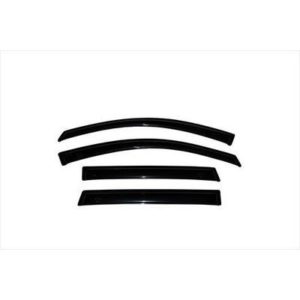
- Part number AVS94109, smoke finish, 4 pc. set
- External mount with 3M automotive adhesive tape
- Impact resistant acrylic, car-wash safe, Limited Lifetime Warranty
SKU: AVS94109 -
Bugshields & Vent Visors
Auto Ventshade Ventvisor Deflector (Smoke) – 92467
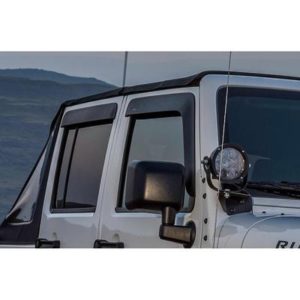
- Fits 2018–2026 Jeep Wrangler JL and 2020–2026 Jeep Gladiator per the manufacturer list
- Part number AVS92467, smoke finish, front position
- Keeps rain out, lets fresh air in, and helps reduce interior heat and fogging
- Impact-resistant acrylic, car-wash safe, made in the USA
SKU: AVS92467 -
Bugshields & Vent Visors
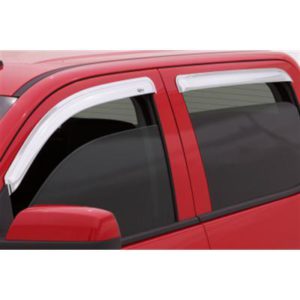
Auto Ventshade Ventvisor Deflector (Chrome) – 684975
- Fits 2015–2022 Ford F-150 and 2017–2022 Ford F-250 and F-350 Super Duty in the listed trims
- Auto Ventshade part number AVS684975, four-piece external acrylic window deflector
- Impact-resistant, UV and scratch-resistant acrylic, car-wash safe
- Available in chrome and dark smoke finishes, made in the USA
- Attaches with 3M automotive-grade adhesive or mechanical fasteners
SKU: AVS684975 -
Bugshields & Vent Visors
Auto Ventshade Ventvisor Deflector – 94966
- Fits 2015–2020 Cadillac Escalade ESV, Chevrolet Suburban and GMC Yukon XL per the manufacturer list
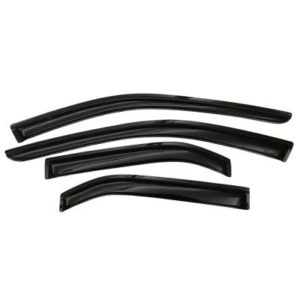
- Part number AVS94966, smoke finish, 4 pc. set
- Keeps rain out and lets fresh air in; can be left partially open
- Mounts with 3M adhesive foam tape, no drilling
SKU: AVS94966 -
-
-
Bugshields & Vent Visors
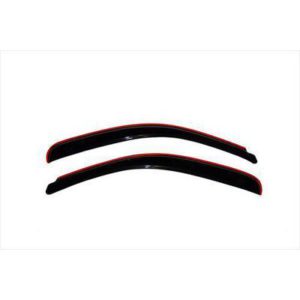
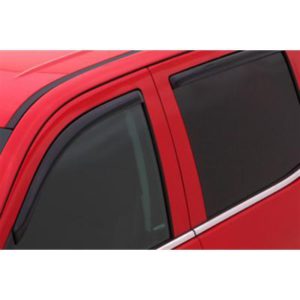
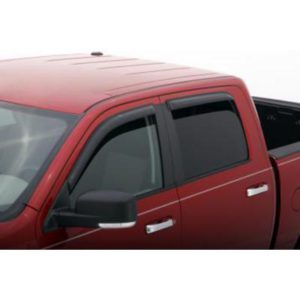
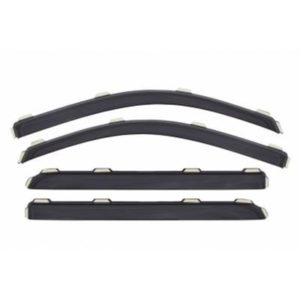
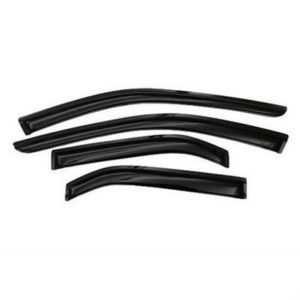
Auto Ventshade Ventvisor (Smoke) – 92138
- Auto Ventshade Ventvisor in Smoke, part number AVS92138, sold as a pair
- Fits 2008–2014 Ford E-150, E-250 and E-350 Super Duty models
- Rain guard that lets fresh air in; mounts with 3M adhesive tape, no drilling
- Made in the USA and safe for car washes
SKU: AVS92138

What these parts do
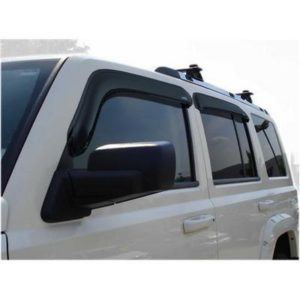
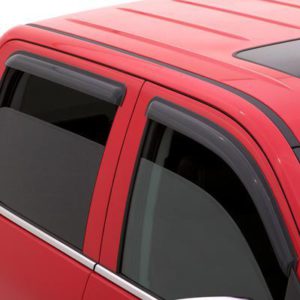
Vent visors mount above the side windows and let you crack the glass for fresh air while rain and wind noise stay out. Hood deflectors, often called bug shields, are low-profile shields fitted to the front edge of the hood to redirect insects, gravel and road debris over the windshield. Fender and back glass deflectors follow the same idea for other body panels. All of them are cosmetic and practical accessories, not structural or safety components.
Visor styles
- In-channel visors: slide into the window channel, with no tape on the door, and give a clean look. Some designs include an adhesive strip for added hold.
- Tape-on or outside-mount visors: stick to the door frame with automotive adhesive, and are used where the window channel is not suitable.
- Tint: smoke and dark smoke are common, and the tint choice affects how much of the view through the top of the window is reduced.
Choosing hood and fender shields
Hood deflectors are shaped to the hood line of a particular vehicle, and some are designed to follow the grille and fender contours. Fender deflectors are contoured for each model. Consider whether you use a roof rack, a light bar or aftermarket bumper, since these can change the airflow, and make sure the deflector works with any hood-mounted equipment. Some manufacturers describe lower profile styles for a factory appearance.
Fitment checks
These parts are made vehicle-specific, so confirm that the listing matches the year, make, model and cab or door configuration, such as two-door versus four-door or crew cab. Listings in this category often cover multiple model years, but trim, window shape and body changes can differ. Compare the part number to the manufacturer's application guide.
Installation and care
Clean the mounting surfaces with the prep wipes or isopropyl alcohol and install in mild temperatures, since adhesive works poorly in the cold. Press firmly along the full length and let the adhesive cure before washing the vehicle. Avoid automatic car washes with strong brushes for the first few days. Take care when removing old adhesive so you do not damage the paint, and use a heat gun gently if needed.
Finish and fit details can make the difference between a visor that looks factory and one that rattles. Look at the material first. Most visors are made from acrylic or a similar impact-resistant plastic that is formed to the window shape and tinted, and cheaper plastics can warp in sustained heat. Smoke tint is the usual choice because it blends with factory privacy glass, but check local rules if you plan to alter window visibility.
Maintenance is straightforward. Wash visors with mild soap and water and avoid abrasive cleaners that cloud the surface. If an adhesive-backed visor starts to lift at an edge, clean and re-press it in warm weather rather than adding more tape. For hood deflectors, check the mounting clips after the first few weeks, since vibration can loosen them. Leaves and debris can collect behind a hood shield, so lift and clear them occasionally to keep water from sitting against the paint. If you remove a deflector later, a mild adhesive remover and a plastic scraper take off residue without harming the clear coat.
Popular Bugshields & Vent Visors brands
Shop Bugshields & Vent Visors by type
Bugshields & Vent Visors FAQ
Do vent visors cause wind noise?
They typically reduce noise from open windows and rain, but a poorly seated visor can whistle. Press it fully into the channel or along its adhesive line. Fit and tint choice also affect appearance and view.
What is the difference between in-channel and tape-on visors?
In-channel visors slide into the window track and hold by tension, while tape-on visors use adhesive on the outside of the door frame. The correct style depends on your vehicle, so check the product description.
Will a bug deflector hurt my paint?
A properly fitted deflector should not, but dirt trapped under the edges can scratch paint if left in place. Keep the area clean and wash gently around it. Clean surfaces before applying any adhesive.
Can I use a hood deflector with a light bar or bumper?
Often yes, but check clearances and airflow for your layout. Some deflectors sit tight to the hood and leave room for accessories. Confirm fitment for your exact vehicle and any added equipment.