
Bumpers
Showing 313–324 of 356 resultsSorted by popularity
-
-
Bumper Hardware & Replacement Parts
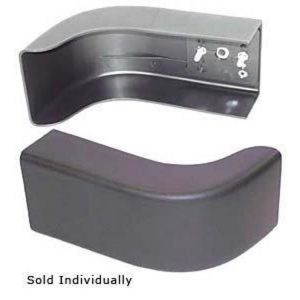
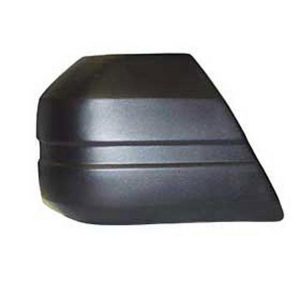
Crown Automotive Stubby Bumper End Cap – 55078138AA
- Black stubby bumper end cap for 1997–2006 Jeep Wrangler TJ models
- Front position, works on either the driver or passenger side
- Aftermarket bumper type, direct fit
- Part number 55078138AA, UPC 849603016465
SKU: CRO55078138AA -
-
-
Bumper Hardware & Replacement Parts
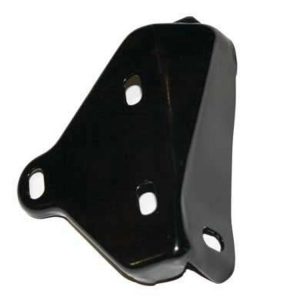
Crown Automotive Front Bumper Bracket – 52000488
- Front passenger-side bumper bracket for 1984–1996 Jeep Cherokee XJ and 1986–1992 Jeep Comanche
- Primed for rust inhibition; must be primed before paint
- Direct fit, front right position
- Part number 52000488, UPC 848399012347
SKU: CRO52000488 -
-
Bumper Hardware & Replacement Parts
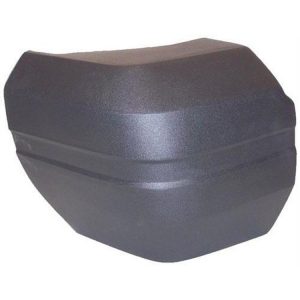
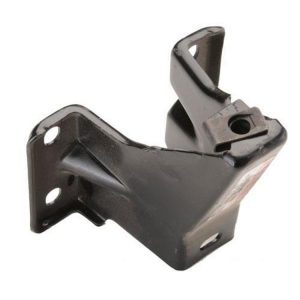
Crown Automotive Bumper End Cap – 52000192
- Black factory-style rear bumper end cap for the passenger side of 1984–1996 Jeep Cherokee XJ models
- Rear right position, direct fit
- Covers the Base, Briarwood, Chief, Classic, Country, Laredo, Limited, Pioneer, SE and Sport XJ trims
- Part number 52000192, UPC 848399012248
SKU: CRO52000192 -
-
Bumper Hardware & Replacement Parts
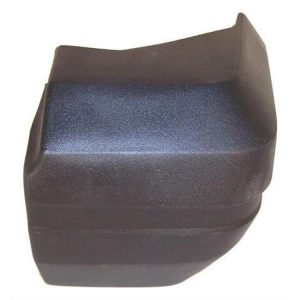
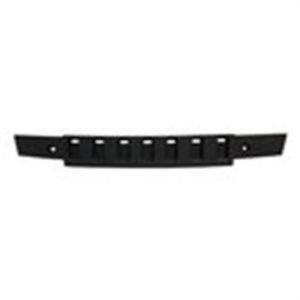
Crown Automotive Front Bumper Cover – 1BE94RXFAC
- Black front bumper cover that sits between the grille and the front bumper of 2007–2018 Jeep Wrangler JK models
- Direct fit, front position
- Also covers Unlimited body styles
- Part number 1BE94RXFAC, UPC 849603004059
SKU: CRO1BE94RXFAC



What an aftermarket bumper changes
A factory bumper is designed around styling, pedestrian impact standards and cost. Off-road bumpers are built for approach angle, recovery points and accessory mounting. Most are bolt-on units made of steel plate or tubing, and many include a winch cradle, shackle or D-ring tabs and cutouts for auxiliary lights. Rear bumpers often add tire carrier provisions, hitch openings and recovery points.
Choosing a style
- Full-width front bumpers: cover the whole front end and give the most mounting space, often with a hoop or guard option for added protection.
- Stubby bumpers: shorten the front overhang and shed weight, improving approach angle but offering less coverage.
- Pre-runner and guard styles: add a bar or hoop that protects the grille and headlights from brush and minor impacts.
- Rear bumpers: prioritize departure angle, tow points and optional swing-out carriers.
- Brackets and replacement parts: end caps, mounting kits and hardware for existing bumpers.
Key specs to compare
Look at the material and thickness, since plate steel is heavier but tougher while aluminum saves weight. Check whether the bumper is winch-compatible, and confirm the winch mount fits the winch you plan to run. Note the finish (bare steel, textured powder coat or black coat), whether light mounts and D-ring mounts are included, and whether the design leaves room for factory sensors, cameras or tow hooks. Also consider weight: a heavy steel front bumper plus a winch adds load to the front axle and may need stiffer springs or a suspension adjustment to restore ride height.
Installation notes
Many bumpers bolt to existing frame holes, but some require trimming the factory bumper, relocating sensors or modifying splash shields. Installation usually takes two people because of the weight. Use the supplied hardware, torque it to the instructions, and recheck it after the first off-road outing. If the bumper carries a winch or recovery points, use only properly rated shackles and follow the rating of every part in the recovery chain.
Fitment and compliance
Bumpers are vehicle-specific. Confirm fitment for your exact year, make, model and trim, including whether your truck has parking sensors, adaptive cruise radar or a front camera, since these can affect what fits. Airbag and sensor behavior can be affected by bumper changes, so read the manufacturer's notes. Bumper height, lighting and equipment rules vary by state, so check local regulations before installing.
Planning around the rest of the vehicle
A bumper rarely goes on alone. A winch needs a suitable battery, wiring and a fairlead that matches the rope or cable. Auxiliary lights need a relay, a fused circuit and a switch. Before choosing, sketch what you plan to add so the bumper has room for all of it, and check whether its light mounts match the lights you have in mind.
Think about how you drive, too. A rig that sees mostly highway miles may prefer a lighter stubby design, while a vehicle that regularly pulls others out benefits from a full-width unit with protected recovery points. Finally, inspect the bumper after each hard trail day. Cracked welds, bent tabs or loose bolts are easier to fix early than after the next impact, and the finish should be touched up where bare metal shows to prevent rust from creeping under the coating.
Popular Bumpers brands
- Fab Fours (91)
- Addictive Desert Designs (46)
- ARB 4x4 Accessories (29)
- Smittybilt (28)
- Crown Automotive (23)
- Ranch Hand (18)
- DV8 Offroad (18)
- Go Rhino (15)
- Rugged Ridge (12)
- Body Armor 4x4 (11)
- Omix-Ada (10)
- Poison Spyder Customs (8)
Shop Bumpers by type
- Front Bumpers (184)
- Rear Bumpers (76)
- Bumper Hardware & Replacement Parts (73)
- Bumper Accessories (15)
- Bumper Mounting Kit (7)
- Bumper Styling (1)
Bumpers FAQ
Will an aftermarket bumper fit with my parking sensors?
Some bumpers include sensor cutouts or brackets, as the Stealth Fighter style listing with sensor suggests, while others do not. Check the product description for sensor compatibility and confirm fitment for your exact year, model and trim.
Do I need a winch to use a winch-compatible bumper?
No. A winch-compatible bumper simply has a mounting plate or cradle ready for one. You can run it without a winch, and many owners add the winch later. Confirm the winch bolt pattern and size before purchasing.
How much weight does a steel bumper add?
Weight varies widely by design, from lightweight stubby units to heavy full-width plate bumpers. The added front weight can sag the springs, so check the listed weight and consider suspension changes if you also add a winch.
Can I tow or recover from the bumper D-rings?
Only if the manufacturer rates them for it. Use shackles with a rated capacity that suits the load, attach only to designated recovery points, and never exceed the lowest-rated component in the chain.