Parking brake cables, also sold as emergency brake cables, for Jeeps and other 4x4s, including front, rear, passenger side and extended-length versions. This category is for owners fixing a stuck, stretched or broken e-brake, or restoring one after a lift or axle swap. Brands include Crown Automotive, Omix-Ada, G2 Axle and Gear and TeraFlex. See each product page for lengths, then compare the products below.
Parking Brake Cable
Showing 1–12 of 58 resultsSorted by popularity
-
Parking Brake Cable
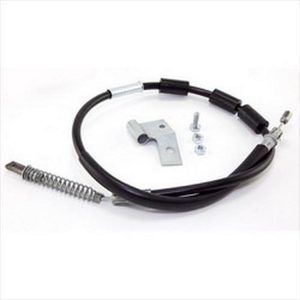
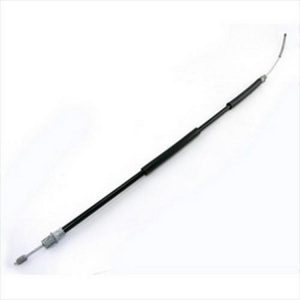
TeraFlex Emergency Brake Cable – 4304175
- Fits the XJ Cherokee rear disc brake conversion, 1984-2001
- 59.75-inch emergency brake cable, part number 4304175
- Works with the TeraFlex Disc Brake Kit, not stock drum brakes
- Each cable is listed on its own, so a full axle takes a pair
SKU: TER4304175 -
Parking Brake Cable
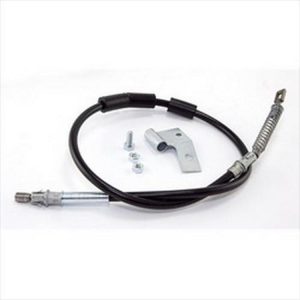
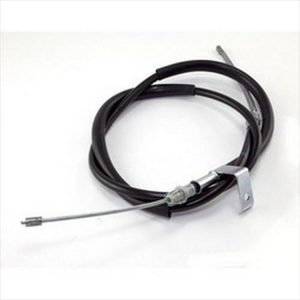
TeraFlex Emergency Brake Cable – 4304173
- Made for the YJ Wrangler rear disc brake conversion, 1987-1995
- 61-inch emergency brake cable, part number 4304173
- Works with the TeraFlex Disc Brake Kit, not stock drum brakes
- Each cable is listed individually, so a full axle needs two
SKU: TER4304173 -
Parking Brake Cable
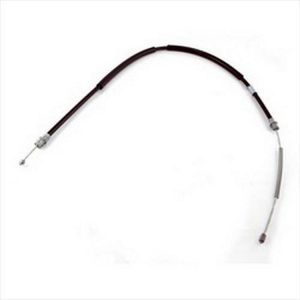
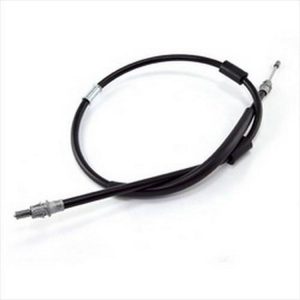
TeraFlex Emergency Brake Cable – 4304172
- TeraFlex emergency brake cable, part 4304172, 37 inches long
- Made for rear disc brake conversions on YJ Wrangler and XJ Cherokee vehicles
- Works only with the TeraFlex Disc Brake Kit; not for stock drum brakes
- Sold individually; two cables are needed for a full axle
SKU: TER4304172 -
-


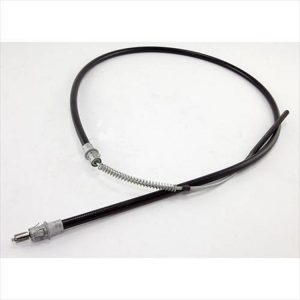
What a parking brake cable does
The parking brake cable is a steel cable in a protective sleeve that links the hand lever or foot pedal to the rear brakes. When you set the brake, the cable pulls on a lever at the rear drum or caliper mechanism and holds the vehicle in place without hydraulic pressure. Many 4x4s use a front cable from the lever to an equalizer, plus a left and right rear cable from the equalizer to each wheel.
Symptoms of a failing cable
- The lever or pedal goes nearly to the floor or has a lot more travel than before.
- The brake does not hold on a slope, or one wheel drags.
- The cable is frozen or rusted in its sleeve and does not release, causing a dragging rear brake.
- The sleeve is cracked, frayed or the end fitting has broken.
Water, road salt and mud are common causes, and a worn or corroded cable can seize after a long idle period.
Matching the right cable
Parking brake cables are not generic. The position matters, so you must determine whether you need the front, rear driver side, or rear passenger side cable. Compare these points:
- **Length.** Listings show lengths, such as 37-inch or 61-inch TeraFlex cables or 70.5-inch passenger side cables. A cable that is too short will bind and one that is too long may hang low.
- **Axle and brake type.** Rear drum and disc setups use different cables, and a disc brake conversion often needs a cable made for that kit. Some axle-specific cables, like those for a Ford 8.8, fit only that housing.
- **ABS and brake options.** Some versions are listed for ABS and disc brakes.
- **Lifted vehicles.** Taller suspension or longer-travel rear axles can need extended cables so they do not stretch at full droop.
Always confirm fitment for your exact year, make, model and axle, and match the old cable's length and end fittings if possible.
Installation and adjustment
Support the vehicle securely on jack stands, never on a jack alone. Release the parking brake, disconnect the cable at the lever or equalizer, and at the rear brake, then route the new cable along the same path with the factory clips. Adjust the cable so the rear wheels turn freely when released and the brake holds firmly after a few clicks of the lever.
Because parking brakes affect vehicle safety, test the brake on a gentle slope after installation, and have the rear brake components inspected by a professional if you notice dragging, leaking or uneven wear. Follow the manufacturer's torque and adjustment specifications.
To confirm the right cable, measure the old cable from end fitting to end fitting, and compare the ends with the new part, including the hook, eyelet or button shapes and the way the sleeve retains in its bracket. If the old cable is gone, look up the axle and brake type, because drum and disc cables differ.
Replace both rear cables together if one has failed from corrosion, since the other is usually similar in age. A little grease on exposed cable ends and the equalizer helps prevent seizing. Common mistakes include overtightening the adjuster so the rear brakes drag and overheat, routing the cable too close to the exhaust, and using the parking brake as the only protection on a steep grade without chocking the wheels. Check the brake regularly and exercise it from time to time so the cable does not rust in place.
Popular Parking Brake Cable brands
- Crown Automotive (25)
- Omix-Ada (18)
- G2 Axle and Gear (7)
- RT Off-Road (4)
- TeraFlex (4)
- Mountain Off Road Enterprises (2)
- Dorman (2)
- California Super Trucks (1)
Parking Brake Cable FAQ
Are parking brake and emergency brake cables the same thing?
Yes. Emergency brake, e-brake and parking brake all describe the same mechanical cable system that holds the vehicle when parked. Product titles in this category use these terms interchangeably.
How do I know if I need a front or rear cable?
Many vehicles use a front cable from the lever to an equalizer and separate rear cables from there to each wheel. Inspect which section is damaged, and compare length and end fittings with the part you are replacing.
Why does my parking brake lever feel loose?
Common causes are a stretched or corroded cable, worn rear brake shoes or pads, or a misadjusted equalizer. A mechanic can inspect the cable and rear brakes, since a loose lever may mean the brake is not holding.
Do I need a longer cable after a lift?
Often yes. A taller suspension or a longer-travel axle increases the distance the cable must span, and a stock cable can bind or stretch at full droop. Extended-length cables are made for this, so check lengths in the listing.