
Overview
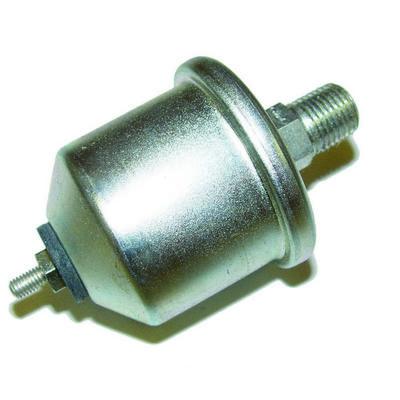
The Omix-ADA oil pressure sender, part number OAI17219.03, is a replacement sender for the 2.5-liter GM 151 engine in 1981–1983 Jeep CJ5, CJ7 and Scrambler models. An oil pressure sender passes engine oil pressure readings to the gauge or warning circuit.
It is a direct-fit replacement built to original specifications and comes with a limited five year warranty.
Key features
- Replacement oil pressure sender for the 2.5-liter GM 151 engine
- Built to original specifications
- Covers CJ5, CJ7 and Scrambler models from 1981 to 1983
- Trims listed include Base, Laredo, Limited and Renegade on the CJ models
Sender and gauge basics
An oil pressure sender is a simple sensing unit that feeds the gauge or warning light. Over time, the diaphragm or internal contacts can wear, leading to erratic readings or a light that flickers at idle. A reading that drops suddenly should be checked against a mechanical gauge before assuming engine trouble.
When replacing a sender, use a thread sealant or thread tape that suits the fitting, and keep the connector dry. Check the wiring for chafing where it passes near hot parts. On older Jeep models, a worn gauge can give readings that look wrong even when the engine oil pressure is fine.
- Test with a mechanical gauge if readings look wrong
- Clean the fitting before installing the new sender
- Check the connector for corrosion
- Keep oil level steady for consistent readings
Specifications
| Brand | Omix-ADA |
|---|---|
| Part number | OAI17219.03 |
| Part type | Oil pressure sender |
| Engine size | 2.5 liters |
| Engine | GM 151 |
| Warranty | Limited five year warranty |
Vehicle fitment
Fits the 1981–1983 Jeep CJ5 and CJ7 in Base, Laredo, Limited and Renegade trims, and the 1981–1983 Jeep Scrambler in Base, SL and SR trims.
Other model years and models, including the Wrangler YJ, are not on this list. Confirm your vehicle’s year, model and trim before ordering.
What’s included
This part is the oil pressure sender. Check whether gauges, wiring or sealant are needed for your installation before starting.