
Winch Repair Parts
Showing 13–21 of 21 resultsSorted by popularity

Fixing a winch instead of replacing it
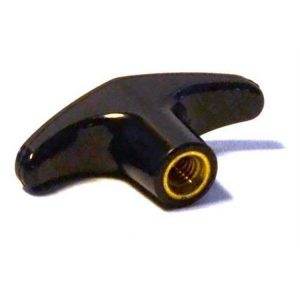
A quality winch is mostly a motor, a planetary gear train, a brake and a drum. Each of these wears or fails in known ways, and Warn sells the pieces individually, which is why a 15 year old winch can be brought back to full service for a fraction of the cost of a new one. The parts in this category are all Warn: motors, brake assemblies, pawl assemblies that lock the clutch, sun gears and gear end housings from the planetary stages, drive shafts, drum supports, seal kits, retaining rings, shift knobs for the free-spool clutch and power disconnect cables. None of them are listed by vehicle, because a winch does not care what it is bolted to.
Identify the winch first
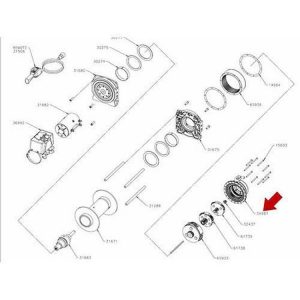
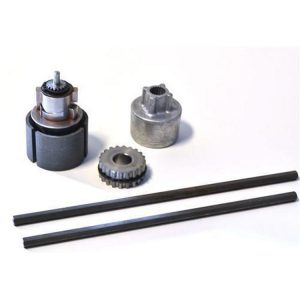
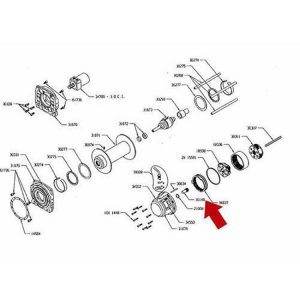
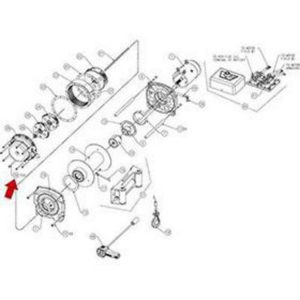
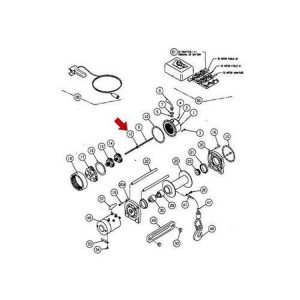
Warn parts are specific to winch model and often to the production date. Find the model name and serial number on the plate or sticker on the motor or gear housing, and note the voltage. With that information you can read the exploded parts diagram for your winch and confirm the part number before choosing. The listings here carry Warn part numbers, and a few, such as the 15 tooth input sun gear, give a detail that helps cross-check. If the plate is unreadable, measure the drum length and diameter and photograph the motor end and gear end; Warn's documentation identifies many models that way.
Common failures and the parts that fix them
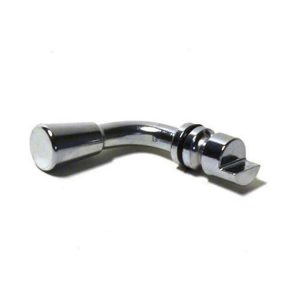
- Motor runs but drum does not turn: often the clutch is not engaged, the shift knob or its linkage is broken, or the pawl assembly or a sun gear has stripped. Check the knob first.
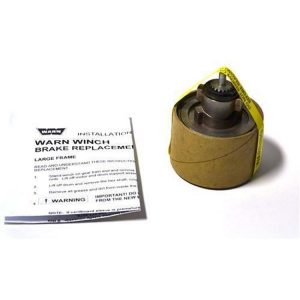
- Winch will not hold a load: the brake assembly inside the drum has worn or the brake springs have lost tension. Replace the brake assembly as a unit.
- Motor is slow, hot or dead: brushes or the armature are worn, or water has corroded the commutator. A replacement 12V motor for the right model is usually a bolt-on job.
- Grease leaks or water inside: the seal kit replaces the drum and housing seals. Flush old grease and refill with the grade Warn specifies.
- Noise from the gear end: a chipped sun gear, planet carrier or drive shaft. Inspect all three; a damaged gear sheds metal that destroys the others.
Doing the work
Disconnect the battery before touching winch wiring. Mark the drum rotation direction and the position of the housings before disassembly, and lay parts out in order; the planetary stages look alike but are not interchangeable. Clean the drum bore and bushings, lubricate per Warn's instructions, and replace retaining rings rather than reusing sprung ones. The power disconnect cable listed here is a safety item that lets you isolate the winch when it is not in use, which protects against a stuck solenoid spinning the drum unattended.
Safety and testing
After a rebuild, test the free-spool clutch, then power in and out with no load, listening for gear noise. Load test gradually. A winch is recovery equipment that holds thousands of pounds under tension, and a brake that is not reassembled correctly can let a load run away. If you are not confident with the gear train, have the work done by a shop experienced with winches, and always use rated recovery gear, gloves and a line damper when the winch is back in service. Confirm each part against your winch model and serial number before choosing.
Winch Repair Parts FAQ
How do I find my Warn winch model and serial number?
Look for a metal plate or sticker on the motor housing, the gear end housing or the tie plate between them. It lists the model, serial number and voltage. If it is missing, measure the drum and photograph both ends; Warn's documentation and the exploded diagrams help identify the model from those details.
Are winch repair parts interchangeable between models?
Rarely. Gear ratios, drum sizes, brake designs and motor mounts differ between models and sometimes between production years of the same model. Always check the parts diagram for your specific winch and serial range before buying a motor, brake or gear.
My winch spools out but will not pull in. What is wrong?
Common causes are a stuck or burnt solenoid contact, a wiring fault on the power-in circuit, or a stripped sun gear or pawl. Test the solenoid pack by swapping the leads in and out; if the direction reverses, the pack is fine and the problem is mechanical inside the gear end.
What grease goes in a rebuilt winch?
Use the grease grade Warn specifies for your model, typically a lithium-based gear grease that stays pliable in cold weather. Do not pack the gear housing completely full; leave room for the gears to move grease around. Clean out all old grease and metal particles first.