
Tow Strap
Showing 49–60 of 62 resultsSorted by popularity
-
Tow Strap
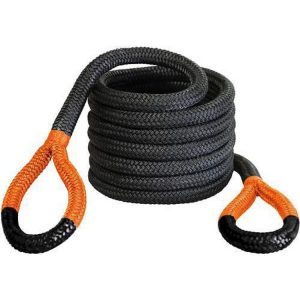
Bubba Rope 30 Foot Renegade Recovery Rope – 176655DRG
- Bubba Rope Renegade 30-foot recovery rope, part number 176655DRG
- 3/4-inch diameter, 100% double-braided nylon kinetic energy rope
- Military camo green rope with orange eyes and Gator-ize vinyl polymer coating
- 19,000 working load limit
- Mesh carrying case included
- Recovery gear, not vehicle-specific
SKU: BUB176655DRG -
-
-
-
-
Tow Strap
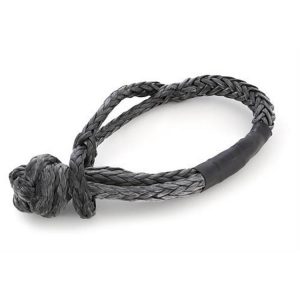
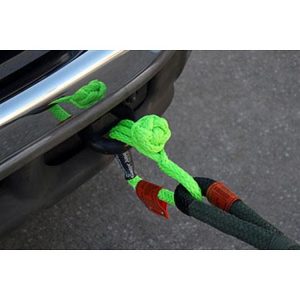
Bubba Rope Gator-Jaw Soft Shackle (Neon Green) – 176745
- Bubba Rope Gator-Jaw soft shackle, part 176745, neon green
- 32,000 lb breaking strength, 7/16-inch rope diameter
- One-piece Plasma synthetic rope construction
- Floats and does not rust, per the maker
- Universal fit; each unit is one shackle
SKU: BUB176745 -





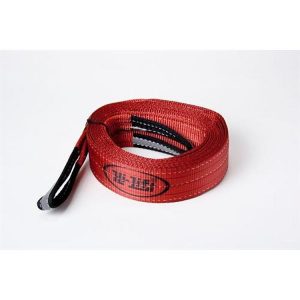


Straps, ropes and what they are for
Recovery gear is used when a vehicle is stuck in mud, sand, snow or a ditch. This category includes kinetic recovery ropes, which stretch to store energy and pull a stuck vehicle out smoothly, and tow straps with less stretch, which suit a flat tow or a gentle pull. Tree trunk protectors and winch-style straps are also here, and they protect the anchor as well as the line.
Kinetic ropes versus tow straps
A kinetic rope is made of nylon that stretches considerably under load. Both vehicles work together: the recovery vehicle accelerates gently, the rope stretches and then recoils, helping to pop the stuck vehicle loose. A conventional tow strap has little stretch and is better for steady pulls. Neither should be used like a chain, and neither is meant for jerking at full speed.
Understanding ratings
Look at the breaking strength and the working load limit, which are not the same. The breaking strength is the load at which the line fails. Safe use means staying well below that, and many manufacturers state a recommended working load. A common guideline is to select gear whose rating is a multiple of the heavier vehicle's weight, but follow the manufacturer's instructions for your vehicle's weight and conditions.
- Width and diameter, which relate to rated capacity.
- Length: longer ropes allow more room for the stretch to work.
- End loops, reinforced eyes and any protective sleeves.
- Storage bags, which keep lines clean and dry.
Safe use
Recovery has real risks. Attach only to rated recovery points or frame-mounted hooks, never to a tow ball, bumper or axle-tube piece not designed for it. Inspect straps for cuts, burned fibers and sun damage before each use, and retire damaged gear. Avoid metal hooks on the ends of kinetic ropes because a snapped line can send them flying. Keep bystanders well clear, drape a damp recovery blanket over the line, and communicate clearly between drivers. Wet nylon can lose strength, and knots should never be used to join lines.
Fitment and choosing
Match the rated capacity to your vehicle, and check manufacturer instructions for use. Confirm that your vehicle has rated recovery points before relying on any strap.
Care and inspection
Wash dirt and grit from the line after use, since embedded sand cuts fibers from the inside. Dry it fully before storing it away from sunlight, oil, and battery acid. Check stitching at the eyes and look for stiff, glazed or fuzzy sections. If you find any damage, retire the line rather than repairing it.
Pairings and mistakes to avoid
A strap is only one part of the system. Soft shackles or rated D-ring shackles connect it to recovery points, and the whole chain is limited by its weakest link. Do not use a strap that is rated below the weight of the vehicle. Do not let a strap lie in a kinked or twisted pile when loaded, and do not run it across sharp edges without a sleeve. A tree trunk protector is for protecting both the tree and the strap, so never wrap a strap around a small tree or a branch.
Popular Tow Strap brands
- Bubba Rope (24)
- Smittybilt (12)
- Rugged Ridge (8)
- Warn (7)
- Daystar (5)
- Zilla Strap (3)
- Pro Comp Suspension (3)
- Hi-Lift Jack (3)
- Factor 55 (2)
- ARB 4x4 Accessories (1)
- Rampage (1)
- Poison Spyder Customs (1)
Tow Strap FAQ
What is the difference between a tow strap and a recovery rope?
A recovery rope stretches to store and release energy, which helps pull a stuck vehicle out smoothly. A tow strap has little stretch and suits steady pulls and towing. Using the right one reduces shock loads.
What rating do I need for a recovery strap?
Choose breaking strength well above the vehicle's weight, and follow the manufacturer's guidance on working load. Heavier trucks, mud and suction need more capacity. Never exceed the lowest-rated component in the system.
Where do I attach a recovery strap?
Use rated recovery points or frame-mounted hooks and shackles made for the job. Never attach to a tow ball, bumper trim or suspension parts, since they can fail and become projectiles.
Can I tow a vehicle on the road with a kinetic rope?
Kinetic ropes are meant for recovery, not highway towing. Their stretch makes control difficult. Use a tow strap or tow bar designed for towing, and check local regulations on towing methods.