
Snow Chains
Showing 37–47 of 47 resultsSorted by popularity
-
-
Snow Chains
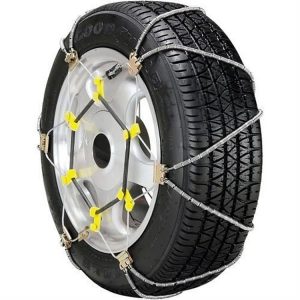
SCC Security Chain Super ZLT SUV/LT Snow Chains – ZT747
- SCC Security Chain Super ZLT SUV/LT snow chains, part number ZT747
- Size-based fit for SUV and light truck tires, including 255/55-20 and 265/65-18
- Lists 285/60-17 and 10-16.5NHS among its sizes
- Brand SCC Security Chain; UPC 10044182039226
SKU: SCCZT747 -
Snow Chains
SCC Security Chain Super ZLT SUV/LT Snow Chains – ZT741
- SCC Security Chain Super ZLT SUV/LT snow chains, part number ZT741
- Fitted by tire size, with SUV and light truck sizes such as 245/75-16 and LT265/75-15 on the list
- Lists 275/55-17 and 355/45-17.5 among its sizes
- Brand SCC Security Chain; UPC 10044182039189
SKU: SCCZT741 -
-
Snow Chains
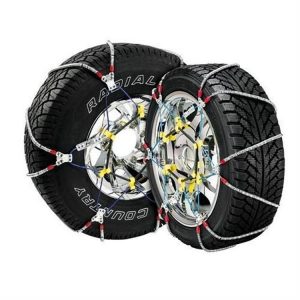
SCC Security Chain Super Z-6 SUV/LT Snow Chains – SZ451
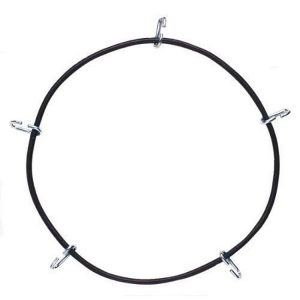
- SCC Super Z-6 SUV/LT snow chains, part SZ451, with rubber tightener
- Works with anti-lock brakes, traction control and AWD systems
- Exceeds S.A.E. Class S clearance on vehicles with limited clearance
- Universal fit by tire size, including 265/60-20, LT265/60-20 and 7.00-18; UPC 44182005941
SKU: SCCSZ451 -
Snow Chains
SCC Security Chain Super Z-8 Commercial Snow Chains – SZ468
- SCC Super Z-8 commercial snow chains, part SZ468, for large pickup, SUV and commercial truck tires
- Rubber tightener, so no stop to retighten after installation
- Exceeds S.A.E. Class S clearance on vehicles with limited clearance
- Works with anti-lock brakes, traction control and AWD; UPC 10044182021498
SKU: SCCSZ468 -
Snow Chains
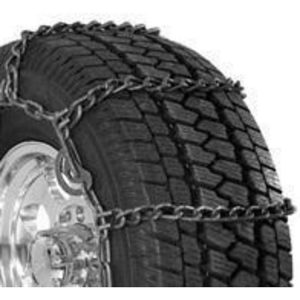
SCC Security Chain Wide Base Link LT SUV/LT Snow Chains – QG3229
- Wide base link snow chains for LT SUV and light truck tires (QG3229)
- Popular sizes include 285/70-17, LT285/70-17, LT285/75-16 and LT305/65-17
- Does not meet S.A.E. Class “S” requirements
- Non-CAM chains need separate chain tighteners, which are not included with all of them; CAM chains include a cam tightening tool
- Stored in a durable, waterproof, recyclable plastic container
SKU: SCCQG3229 -
Snow Chains
SCC Security Chain Link Chain Non-CAM LT SUV/LT Snow Chains – QG2226
- SCC Security Chain non-CAM ladder-style snow chains, part SCCQG2226
- Ladder-style chain in a waterproof, recyclable plastic storage container
- Tighteners required; not included with all non-CAM chains
- Does not meet S.A.E. Class S requirements; universal fit by tire size
SKU: SCCQG2226




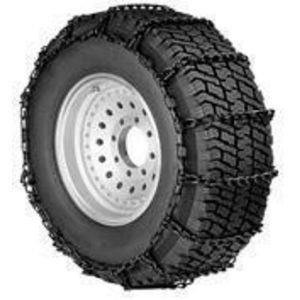
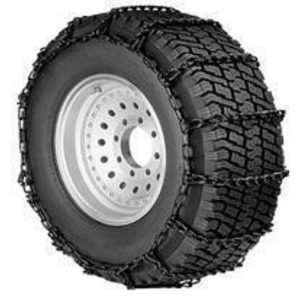
How chains work
Chains add steel cross links that bite into snow and ice, which improves acceleration, braking and cornering compared with the tire alone. They are intended for low-speed use and should come off when the road is clear, since driving on bare pavement quickly wears both chains and tires.
All the listings in this category are from SCC Security Chain, so the main differences are style and size.
Styles in this category
The listing names show the main options:
- Super Z and Z-Chain styles use a diamond or zigzag pattern for smooth, even traction and a more comfortable ride.
- Link chains, listed as Link Chain or Wide Base Link, have a traditional ladder or twisted link layout and are often chosen for heavier-duty use.
- CAM versus non-CAM describes the tensioning and mounting style on some SUV and light truck chains.
- Passenger, SUV/LT and commercial labels indicate the category and tire sizing range.
Sizing and clearance
Chains are sized by the tire's size marking, such as the width, aspect ratio and rim diameter on the sidewall. Match this to the chain's size chart, because a chain that is too loose will whip the vehicle and one that is too tight will not fit. Wide-base tires need chains made for them.
Clearance matters, too. Many modern cars and some SUVs have tight space around the tire and suspension, and some owner's manuals say chains must go only on specific wheels or cannot be used. Check yours. Lifted trucks usually have more room, but check the brake lines and steering parts.
Using chains safely
Practice installing them at home before you need them in the cold. Put them on the drive wheels as the manual says, drive slowly, usually under the limit on the package, and stop to retighten after a short distance. Avoid hard acceleration, locked wheels and spinning. Remove them when you reach bare pavement.
Chain requirements and permitted conditions vary by state and by road, so check local regulations. Confirm fitment for your exact tire size and vehicle, and check the manufacturer's specifications.
Store chains clean and dry after use, and inspect them for broken links or bent cross members before the next season. Carry gloves, a mat to kneel on and a flashlight, since installing chains in bad weather is much easier with them.
Care, storage and mistakes to avoid
Chains work best when they are tight, and most come with a tensioner or need a second check after a few hundred feet. Lay the chain flat and untangled before you drive onto it, and make sure the hooks and fasteners face outward so they cannot snag on brake lines or the body.
- Rinse salt and slush off the chain after use and let it dry fully before it goes back in its bag.
- Replace any chain with stretched or broken links, cross members worn thin or damaged tensioners.
- Do not use chains on tires they were not sized for, and do not use them with studded tires unless the instructions allow it.
- Carry a spare fastener or repair link if your chain type has one, since a loose end can damage fender liners and brake components quickly.
Snow Chains FAQ
How do I find the right chain size?
Read the tire size on the sidewall, such as width, aspect ratio and rim diameter, then match it to the manufacturer's size chart. Do not rely on vehicle model alone.
Can I use snow chains on all four wheels?
On a four-wheel-drive vehicle, some manuals call for chains on all four tires and some on one axle only. Check your owner's manual and the chain instructions for your drivetrain.
How fast can I drive with chains?
Slowly. Most chain makers specify a maximum speed, commonly around 30 mph or less. Follow the instructions packed with your chains, and slow down further on ice or in tight turns.
Can chains damage my vehicle?
They can if they are the wrong size, installed loosely or driven too fast. Poor clearance can damage brake lines, fenders or suspension. Confirm clearance before you install them.