
Running Board Mount Kit
Showing 13–24 of 29 resultsSorted by popularity
-
-
-
Running Board Mount Kit
Westin Sure Grip Step Board Mount Kits – 27-1455
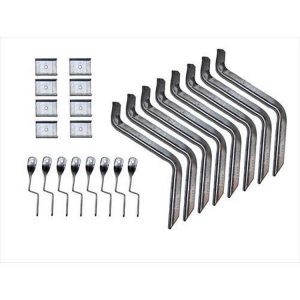
- Westin 27-1455 Sure Grip running board mount kit, UPC 707742000687
- Covers Chevrolet Silverado and GMC Sierra 1500, 2500, 2500 HD and 3500
- Years span 1999 to 2007, including Classic models
- Holds Sure Grip molded running boards
SKU: WES27-1455 -
-
-
-
Running Board Mount Kit
Westin Sure Grip Step Board Mount Kits – 27-1205
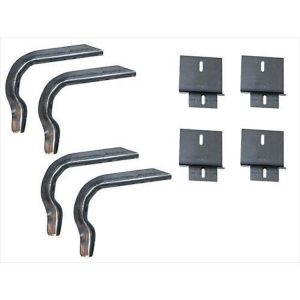
- Westin 27-1205 Sure Grip running board mount kit, UPC 707742512050
- Direct fit for 1999–2016 Ford F-250 Super Duty trucks
- Direct fit for 1999–2016 Ford F-350 Super Duty trucks
- Holds Sure Grip molded running boards
SKU: WES27-1205 -
Running Board Mount Kit
Westin Sure Grip Step Board Mount Kits – 27-1025
- Westin 27-1025 vehicle-specific mount kit for Sure Grip molded running boards
- Fits 1999 to 2006 Chevrolet Silverado and GMC Sierra pickups
- Includes 2007 Classic models in the 1500, 2500 HD and 3500 lines
- Running boards are needed separately
SKU: WES27-1025 -
-
Running Board Mount Kit
LUND EZ Bracket Mount Kit – 300049
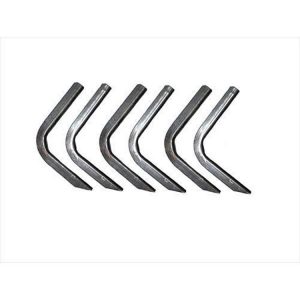
- LUND EZ Bracket Mount Kit, part number 300049
- Heavy duty solid U channel steel construction
- Installer and factory preferred body mount designs
- No drilling required on some applications
- Vehicle fitment not named; confirm before ordering
SKU: LII300049 -
-

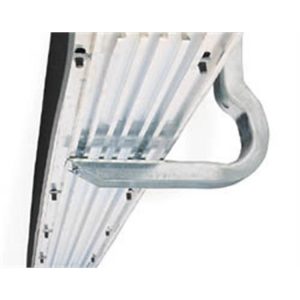
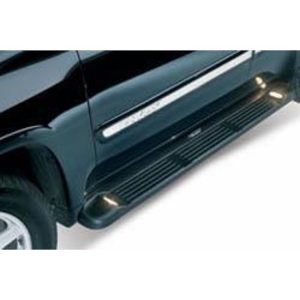
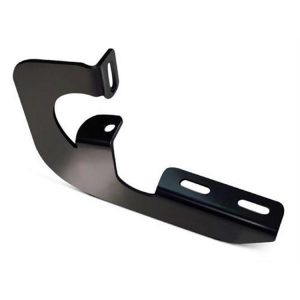

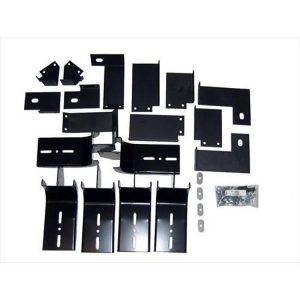
What a mount kit includes
A running board mount kit contains the brackets and hardware that connect the step to the vehicle. Depending on the design, that means stamped or formed brackets, bolts, nuts, washers, and sometimes spacers or brackets for different cab styles. The board itself is usually sold separately, so confirm exactly what you are buying.
Why it matters
Side steps carry a person's full weight, often while stepping in with force. The brackets take that load into the frame or body, so a poor fit or the wrong hardware can lead to loosening, noise or damage. Mounting kits are matched to board designs, such as Westin's Sure-Grip and step board lines, so mixing brands is risky.
Matching the kit
- Board series: the kit must be designed for your specific running board or step board.
- Vehicle: check year, make, model, cab style and bed length. Mounting points differ even within a generation.
- Board length: some kits support different lengths by changing bracket positions.
- Attachment method: no-drill kits use factory holes, while others need drilling.
Installation notes
- Mount boards loosely first, then align and tighten, working from the center out.
- Use the supplied hardware and torque bolts according to the instructions.
- Check clearance from exhaust, fuel lines, the body mount and any aftermarket parts.
- Apply touch-up paint or rust inhibitor to any drilled or scraped metal.
- Recheck fasteners after a few hundred miles.
Having a second person hold the board while you tighten saves time. Vehicles with air suspension or sensors may need extra care, so read the notes in the listing.
Replacement and upgrades
If you already have boards and a bracket has bent or rusted, a replacement kit can restore the original fit. Use the part number of your boards to find the right bracket. Before ordering, compare the number on the kit to the manufacturer's fitment guide for your vehicle.
Inspection and common mistakes
Look at the brackets each season for cracks near welds, bent arms and rust at the mounting points. Salt and mud collect where the bracket meets the body, so rinse the area and add rust protection to scratched spots. Squeaks usually come from loose fasteners or a bracket rubbing the board, and a quick tightening often solves them.
- Do not mix bolts from different kits. Length and thread pitch can differ.
- Do not tighten one end fully before the other is positioned, because the board can bind.
- Do not overlook factory sensors, wiring or plastic panels that sit near the mounting points.
- Do not stand on boards that are still loose to test them.
Measure your existing hole spacing and compare it with the bracket count in the listing. A board of a given length usually needs a certain number of brackets, and fewer brackets can mean a weaker step. If you carry heavy passengers, choose a design with more mounting points and confirm the weight rating stated by the maker.
Keep the old hardware until the new kit is installed, in case a bolt or washer is needed for comparison.
Popular Running Board Mount Kit brands
Running Board Mount Kit FAQ
Are mount kits sold with running boards?
Sometimes the boards and mount kit are packaged together, but often the kit is separate. Check the product description to see which parts are included and whether the kit fits your specific board model.
Can I use any bracket with my running boards?
No. Brackets are designed for particular boards and vehicles, with specific hole spacing and strength. Using unmatched brackets could cause poor fit or failure, so choose a kit made for your board series.
Do running board brackets require drilling?
Many kits use existing factory holes, but some require drilling into the frame or body. The product details and instructions will state which applies to your vehicle, so read them before you begin.
How do I tighten running board brackets correctly?
Tighten fasteners with a torque wrench to the manufacturer's specification, working gradually. Re-check them after driving a few hundred miles, since vibration can loosen hardware, and inspect for rust or bending.