
Overland & Camping Accessories
Showing 109–120 of 151 resultsSorted by popularity
-
Water & Waste
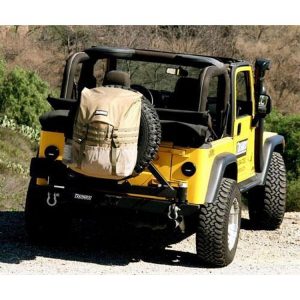
Trasharoo Off-Road Spare Tire Trash Bag – GEN2TAN
- Trasharoo Off-Road Spare Tire Trash Bag in tan, model GEN2TAN
- 900 denier canvas with water resistant interior coating
- Stated 50 lb weight limit
- Double stitched buckles and straps
- Universal fit, not designed around one vehicle
SKU: CTPGEN2TAN -
Water & Waste
Trasharoo Off-Road Spare Tire Trash Bag – GEN2GREEN
- Trasharoo GEN2GREEN off-road spare tire trash bag in green
- Made from 900 denier canvas with a water resistant interior coating
- Rated for a 50 lb weight limit
- Double stitched buckles and straps
- Universal fit with no single vehicle assigned
SKU: CTPGEN2GREEN -
Flashlights & Portable Lighting
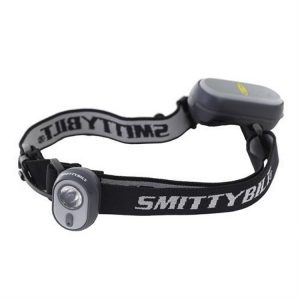
Smittybilt Halo Headlamp/Dome Light – L-1410
- Smittybilt Halo headlamp and dome light, part number L-1410, UPC 631410130423
- CREE XP-E2 LED with high, low and flash settings
- High 120 lumens for 3.5 hours; spot beam up to 54 m (177 in)
- IPX4 water resistant; three AAA batteries included
SKU: S/BL-1410 -
-
-
-
Safety & First Aid
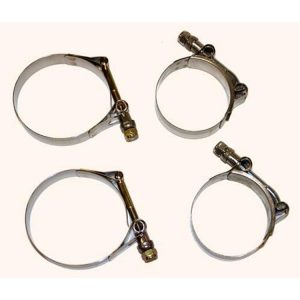
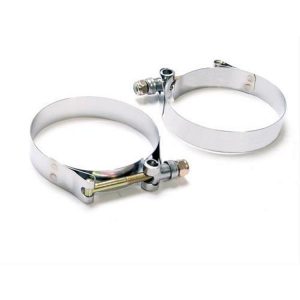
Drake Fire Extinguisher Clamps – FIRE-CLMP-L-DAG
- Drake large fire extinguisher clamps, part number FIRE-CLMP-L-DAG
- Set of 4 heavy duty T-bar band clamps
- 2 clamps secure a fire extinguisher to the Drake Fire Extinguisher Mount FIREX-MNT-DAG
- 2 clamps secure the mount to a roll bar
- Universal fit
SKU: DRKFIRE-CLMP-L-DAG -
-
Safety & First Aid
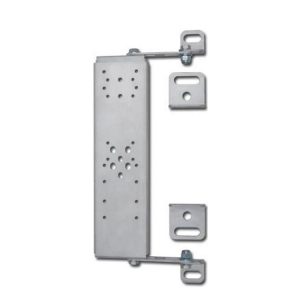
H3R Performance Universal Fire Extinguisher Seat Mount – SM01BR
- Universal fire extinguisher seat mount, part number SM01BR
- Adjustable brushed aluminum construction
- Mounts on most seat brackets, seat rail bolts or above the seat slider
- Avoids drilling mounting holes into the vehicle
- Mounting bracket for the extinguisher is not included
SKU: H3RSM01BR -







What belongs in an overland kit
Overland travel is about self-sufficiency, so most gear falls into a few groups: shelter, food and water, lighting, safety and recovery support. This category includes subcategories for fridges, tents (roof top, ground, and truck and SUV), awnings and shades, generators, water and waste, chairs, flashlights, spotlights and first aid.
Because the range is broad, think about your trip length, group size and the vehicle's payload before adding more.
Shelter and shade
Roof top tents mount to a rack and open in minutes, with accessories such as ladders, covers and annexes, as in the ARB listings. Truck bed tents and ground tents are lighter on the vehicle. Awnings, with optional rooms and floors, add shade and weather cover. For all of them, check the rack's dynamic load rating, the tent weight and the vehicle's roof limits.
Fridges, coolers and power
Portable fridge-freezers, such as the 82 quart ARB unit in the listings, run on 12 or 24 volt DC and need a proper wiring kit and a fused power source. A dual battery or portable power station keeps a fridge running without draining the starting battery. Insulated coolers such as Yeti and AO work without power but need ice. Compare capacity in quarts, since a larger one uses more space and weight.
Safety, lighting and packing
Safety kits and first aid supplies are valuable on remote trails. A fire extinguisher should be in a bracket that holds it firmly, rated for the vehicle, and checked on a schedule. Hand held spotlights, headlamps and dome lights supply light without relying on the headlights.
Weight adds up. Check your vehicle's payload rating and distribute loads low and centered. Secure all cargo, since loose items become hazards. Confirm fitment and compatibility for your exact year, make and model where a product is vehicle-specific, check electrical ratings, and follow the manufacturer's specifications. Rules on camping, fire and vehicle equipment vary by location, so check local regulations.
Finally, test new gear at home or at a nearby campsite before a long trip. Setting up a tent, running a fridge off your power source and checking that every bracket holds is much easier close to home than far from help.
Planning, power and mistakes to avoid
Start by listing the trip: how many nights, how many people, how far from help and what weather to expect. Build the kit in layers, beginning with safety and water, then shelter, then comfort items. Weigh what you plan to carry and compare it with the payload on your door jamb sticker.
- Pack heavy items low and over the axles, and secure everything with straps or tie-downs.
- Check that electrical gear matches your power source, including plug type and voltage, and fuse any permanent wiring.
- Do not rely on a single light or a single way to start a fire or purify water.
- Leave no trace: carry out what you carry in, and check local rules on campfires and camping spots before you go.
Review the kit after each trip, removing items you never used and noting anything you wished you had carried.
Popular Overland & Camping Accessories brands
- ARB 4x4 Accessories (48)
- H3R Performance (24)
- Smittybilt (21)
- AO Coolers (18)
- Yeti Coolers (12)
- Rightline Gear (8)
- Drake (7)
- Rugged Ridge (6)
- Rigid Industries (5)
- Trasharoo (4)
- Jeep (3)
- JW Speaker (2)
Shop Overland & Camping Accessories by type
- Fridges (45)
- Safety & First Aid (35)
- Flashlights & Portable Lighting (19)
- Trail Shades & Awnings (22)
- Roof Top Tents (12)
- Truck & SUV Tents (7)
- Water & Waste (5)
- Trail Chairs (2)
- Ground Tents (2)
- Generator (2)
- Hand Held Spot Lights (0)
Overland & Camping Accessories FAQ
How do I power a portable fridge on the trail?
Most run on 12 or 24 volt DC from the vehicle, ideally with a fused wiring kit. A dual battery system or portable power station helps keep the starting battery from draining.
What should I check before installing a roof top tent?
Check the tent weight, the rack's dynamic and static load ratings and the vehicle's roof limit. Install the mounts as instructed and recheck fasteners after the first trips.
What safety gear is worth carrying?
A first aid kit, fire extinguisher, traction aids, recovery gear, spare water and a way to communicate are common choices. Match the kit to your trip and group size.
Are soft coolers as good as hard coolers?
Soft coolers are lighter and easier to pack, while hard coolers usually hold ice longer and take rougher handling. Compare insulation, capacity and trip length.