Replacement lenses, light covers and filters for off-road light bars and pod lights, filed under Lighting Accessories. They protect lamps from rock strikes on the trail and let you change the beam, such as swapping to a driving, combo or colored lens. KC HiLites, Rigid Industries, Baja Designs and Rugged Ridge are among the brands. Open a product page for part numbers, then compare the products below.
Lens Covers and Shields
Showing 1–12 of 32 resultsSorted by popularity
-
Lens Covers and Shields, Lighting & Lighting Accessories, Lighting Accessories

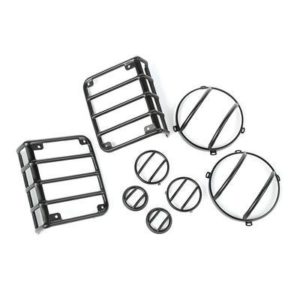
Rugged Ridge Euro Guard Kit, 8-Piece Set – 12496.32
 Lens Covers and Shields, Lighting & Lighting Accessories, Lighting Accessories
Rugged Ridge Euro Guard Kit, 8-Piece Set – 12496.32
- 8-piece black metal euro guard kit, part RUG12496.32
- Fits 2007–2018 Jeep Wrangler JK, 2-door and Unlimited models
- Guards for headlight, parking, side marker, factory fog and tail lights
- Installs to factory mounting points
SKU: RUG12496.32 -
Lens Covers and Shields, Lighting & Lighting Accessories, Lighting Accessories
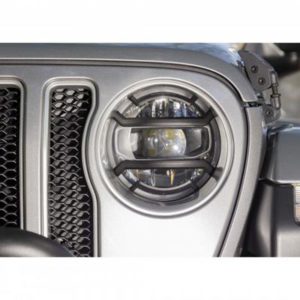
Rugged Ridge Elite Euro Headlight Guard Kit (Black) – 11230.21
 Lens Covers and Shields, Lighting & Lighting Accessories, Lighting Accessories
Rugged Ridge Elite Euro Headlight Guard Kit (Black) – 11230.21
- Fits 2018–2022 Jeep Wrangler (JL) and 2020–2022 Jeep Gladiator (JT), per the manufacturer list
- Cast aluminum with satin black powder coat finish
- Elite Euro geometric design
- No-drill installation; part number RUG11230.21
SKU: RUG11230.21 -
Lens Covers and Shields, Lighting & Lighting Accessories, Lighting Accessories

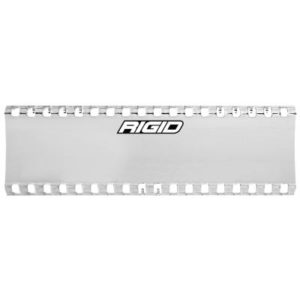
Rigid Industries SR-Series 6″ Light Cover (Clear) – 105883
 Lens Covers and Shields, Lighting & Lighting Accessories, Lighting Accessories
Rigid Industries SR-Series 6″ Light Cover (Clear) – 105883
- Rigid Industries SR-Series 6-inch clear light cover, part number RIG105883
- Clear polycarbonate lens protection for LED lights
- Universal Fit, with no vehicle named
SKU: RIG105883 -
Lens Covers and Shields, Lighting & Lighting Accessories, Lighting Accessories
Rigid Industries SR-Q-Series Light Cover – 311923
 Lens Covers and Shields, Lighting & Lighting Accessories, Lighting Accessories
Rigid Industries SR-Q-Series Light Cover – 311923
- Rigid Industries SR-Q-Series light cover, part number 311923
- Made from polycarbonate plastic for an extra layer of lens protection
- Snaps on and off for simple swapping
- Universal fit, not vehicle-specific
SKU: RIG311923 -
Lens Covers and Shields, Lighting & Lighting Accessories, Lighting Accessories
Rigid Industries RDS-Series Light Cover – 105583
 Lens Covers and Shields, Lighting & Lighting Accessories, Lighting Accessories
Rigid Industries RDS-Series Light Cover – 105583
- Rigid Industries RDS-Series light cover in green, part number RIG105583
- Snap-on polycarbonate cover for an LED light lens
- Universal Fit, with no vehicle named
SKU: RIG105583 -
Lens Covers and Shields, Lighting & Lighting Accessories, Lighting Accessories
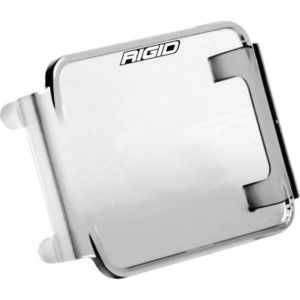
Rigid Industries Q-Series Light Cover (White) – 103963
 Lens Covers and Shields, Lighting & Lighting Accessories, Lighting Accessories
Rigid Industries Q-Series Light Cover (White) – 103963
- Rigid Industries Q-Series light cover in white, part number RIG103963
- Durable polycarbonate lens protection for Rigid Industries lights
- Color options can change how a light looks and performs in different conditions
- Universal Fit, not built for one vehicle
SKU: RIG103963 -
Lens Covers and Shields, Lighting & Lighting Accessories, Lighting Accessories
Rigid Industries E-Series 50″ Black Light Cover – 15091
 Lens Covers and Shields, Lighting & Lighting Accessories, Lighting Accessories
Rigid Industries E-Series 50″ Black Light Cover – 15091
- Rigid Industries E-Series 50-inch black light cover, part number RIG15091
- Made from durable polycarbonate plastic
- Snaps on and off to protect the E-Series LED light lens
- Universal fit, not vehicle-specific
SKU: RIG15091 -
Lens Covers and Shields, Lighting & Lighting Accessories, Lighting Accessories
Rigid Industries 360-Series 4″ LED Light Covers (Black) – 36363-SB
 Lens Covers and Shields, Lighting & Lighting Accessories, Lighting Accessories
Rigid Industries 360-Series 4″ LED Light Covers (Black) – 36363-SB
- Black polycarbonate cover for Rigid Industries 360-Series 4-inch LED lights
- Part number 36363-SB
- Kit includes 2 covers
- Universal fit; no vehicle named
SKU: RIG36363-SB -
Lens Covers and Shields, Lighting & Lighting Accessories, Lighting Accessories
Rigid Industries 360-Series 4″ LED Light Cover (Clear) – 36363-TC
 Lens Covers and Shields, Lighting & Lighting Accessories, Lighting Accessories
Rigid Industries 360-Series 4″ LED Light Cover (Clear) – 36363-TC
- Clear polycarbonate cover for Rigid Industries 360-Series 4-inch LED lights
- Part number 36363-TC
- Snap-on design; kit contains 2 covers
- Universal fit, not tied to a vehicle
SKU: RIG36363-TC -
Lens Covers and Shields, Lighting & Lighting Accessories, Lighting Accessories
Lightforce Lens Filter – FDCS
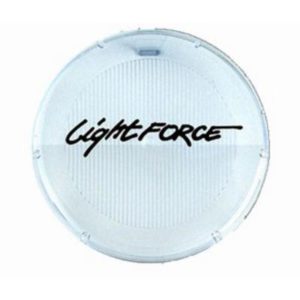 Lens Covers and Shields, Lighting & Lighting Accessories, Lighting Accessories
Lightforce Lens Filter – FDCS
- Lightforce clip-on lens filter, part number FDCS
- Ultra strong polycarbonate body, per Lightforce
- Part of the modular Lightforce system
- Universal fit; confirm the spread before ordering.
SKU: L/FFDCS -
Lens Covers and Shields, Lighting & Lighting Accessories, Lighting Accessories
Lightforce Lens Filter – FBLUCLD
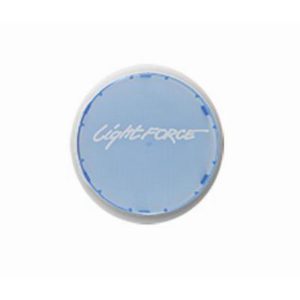 Lens Covers and Shields, Lighting & Lighting Accessories, Lighting Accessories
Lightforce Lens Filter – FBLUCLD
- Lightforce clip-on lens filter, part number FBLUCLD
- Polycarbonate construction for changing the beam pattern
- Universal fit, not tied to a vehicle
- Filter family offered in Spot, Combo, Wide Angle and Dispersion spreads
SKU: L/FFBLUCLD
Covers, lenses and filters
Three different parts share this category, and they do different jobs. A cover is a snap-on or bolt-on shield, often made of tinted or clear plastic, that sits over the lens to guard against rocks and mud, and that you can remove at night. A replacement lens is the optical piece itself, swapped when the original cracks or when you want a different beam pattern. A filter or colored cover changes the light color, for example to amber for dust and fog or blue for a particular styling choice.
Matching the lamp
These parts are almost always specific to a lamp series, size and shape. A Q-Series cover, for instance, is not the same part as one for a different pod, and a replacement lens for one housing will not fit another model. Use the manufacturer's series name and part number to identify what you have, and read the listing for size and shape. Some are universal in the sense of the site's fitment label, but this refers to vehicles, not to lamps, so match the light itself.
Beam pattern and color
Changing a lens changes the optics. Spot lenses throw light far and narrow, flood lenses spread it wide, and driving or combo lenses fall between. Swapping to a different pattern can improve visibility for how you drive, but keep the lamp's rated output and heat in mind. Color affects visibility as well: amber reduces glare in dust and fog, while a clear lens passes the most light. A colored cover reduces total light output.
- Spot: long distance, narrow.
- Flood: wide and short, good for slow trail work.
- Driving or combo: a blend for general use.
Installation and care
Clean the housing and gasket before fitting a lens and avoid touching reflectors or LED optics with bare fingers. Reseal properly or water will get in and fog the lamp. Many covers must be removed on public roads where they are required to be off, or conversely used where lights must be covered, so check your state and local rules. Confirm that a cover or lens is made for your exact light model and review the manufacturer's installation instructions.
Keep a spare lens or cover if you drive in rocky terrain, and consider carrying a roll of clear protective film for a quick patch in the field. Before swapping parts, note the lamp's model, series and any marking on the back or the lens edge. When removing a lens, work slowly with the right tool, as a stuck sealing ring can crack the housing. Check any O-ring or gasket and replace it if it looks flattened. Some covers hold heat if left on while the lamp is running, and the manufacturer's instructions will say whether that is acceptable, so read them. Clean lenses with a soft cloth and plenty of water first, since dry wiping can scratch polycarbonate. Replace faded or yellowed lenses, as clouded plastic cuts light output noticeably. If you are unsure which part you need, compare the old lens edge shape, mounting screw count and overall diameter or length against the dimensions in each product listing.
Popular Lens Covers and Shields brands
- Rigid Industries (9)
- KC HiLites (8)
- Baja Designs (8)
- Rugged Ridge (2)
- Hella (2)
- Lightforce (2)
- Aries Offroad (1)
Lens Covers and Shields FAQ
What is the difference between a light cover and a replacement lens?
A cover is a shield over the existing lens that protects it from rocks and can be removed. A replacement lens is the optical part itself, swapped when damaged or to change the beam pattern.
Will a cover fit any light bar or pod?
No. Covers and lenses are shaped for particular lamp series and sizes. Match the series name and size to your light, using the manufacturer's part number to confirm.
Does a colored cover reduce light output?
Yes. A colored or tinted cover absorbs some light, so output drops compared with a clear one. Amber covers can reduce glare in dust or fog, trading some brightness for comfort.
Do I need to remove light covers on the road?
Rules vary by state. Some require auxiliary lights to be covered on public roads, and others restrict their use. Check your local regulations about how you may use and cover them.